China at a Glance
Flavor profile: Layered • Balanced • Aromatic • Texture-driven
Primary fats: Peanut oil, lard, sesame oil, neutral oils
Heat level: Mild to extremely hot depending on region
Signature ingredients: Soy sauce, rice, noodles, ginger, garlic, scallions, vinegar
Texture focus: Contrast and balance
Cooking style: High heat, sequencing, rapid execution
Flavors, Ingredients & Cooking Traditions
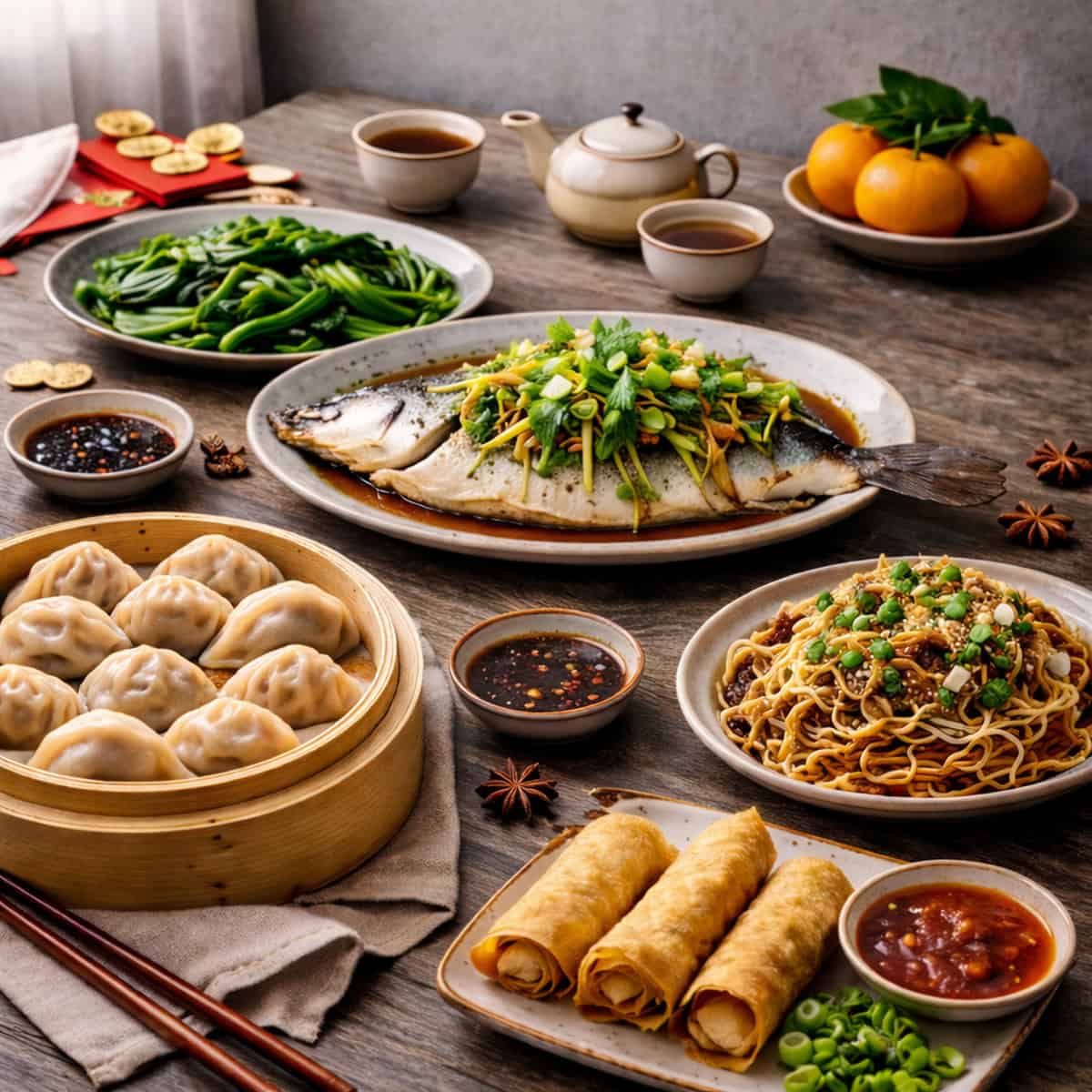
Chinese food is not one cuisine, but a vast collection of regional traditions shaped by geography, migration, trade, climate, preservation, and the constant pursuit of balance.
The real sophistication is not complexity for its own sake. It is control.
Control of heat.
Control of texture.
Control of timing.
Control of balance.
From My Travels
Before I came back to the kitchen, I worked in apparel manufacturing, and the job took me across Asia: Hong Kong, the New Territories, Macau, and Taiwan, along with Korea, Cambodia, and Vietnam. Those trips taught me that Chinese food isn’t one cuisine. It changes from city to city and table to table. That’s how this guide is built: learn the region, and the dishes start to make sense. — Chef Samantha Tilley
The Core Idea
Chinese cooking is built on balance.
Not only sweet, sour, salty, bitter, spicy, and umami — but balance between:
- texture
- temperature
- richness
- freshness
- color
- aroma
- cooking method
A proper Chinese meal should feel dynamic rather than heavy.
That’s why many meals include:
- crisp vegetables beside braised meats
- clear soups beside fried foods
- vinegar against richness
- fresh herbs against slow-cooked sauces
Every component has a job.
Why Chinese Food Tastes So Distinct
Chinese cooking layers flavor in stages.
Aromatics hit oil first. Sauces are balanced before they enter the wok. Vinegar is often added late for brightness. Sesame oil may finish a dish rather than cook in it. Texture is treated as seriously as flavor.
This is why properly cooked Chinese food feels vivid instead of muddy.
Bad Chinese food tastes flat, greasy, or oversauced.
Good Chinese food tastes structured.
How Chinese Meals Are Structured
Traditional Chinese meals are designed for sharing.
Rather than individual composed plates, multiple dishes arrive together and balance each other across the table.
A meal may include:
- rice or noodles
- vegetables
- seafood or meat
- soup
- pickles or cold dishes
- tea
The goal is harmony across the entire table, not dominance from one dish.
Meals are often communal, fast-moving, and highly social.
Food is passed constantly.
Conversation overlaps.
Tea is refilled without asking.
Nobody waits politely for courses.
The table itself is part of the experience.
Regional Chinese Cooking
Chinese cuisine changes dramatically by geography, climate, and local agriculture. Each region below has its own guide; start with Chinese Regional Cuisine for the big picture.
Sichuan
Bold, numbing, and fiery, built on chili, Sichuan peppercorn, and fermented bean paste. Mapo Tofu, Kung Pao Chicken, Sichuan Wok Green Beans, Dan Dan Noodles.
Explore Sichuan cooking →
Cantonese
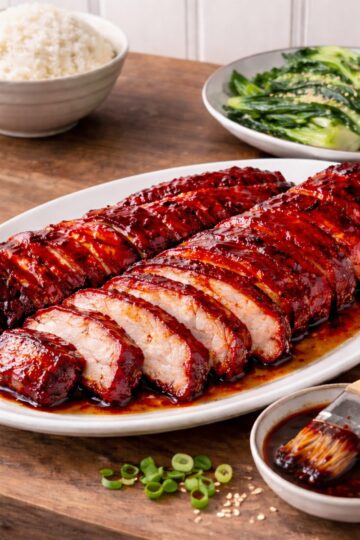
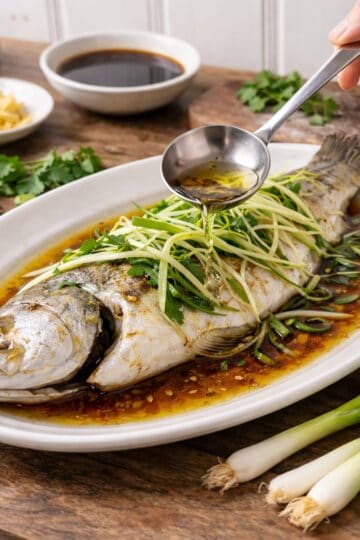
Clean, fresh, and precise: steaming, roasting, and quick stir-frying that let the ingredient lead. Char Siu, Steamed Whole Fish, Beef Chow Fun, Shu Mai, Roast Duck.
Explore Cantonese cooking →
Northern Chinese
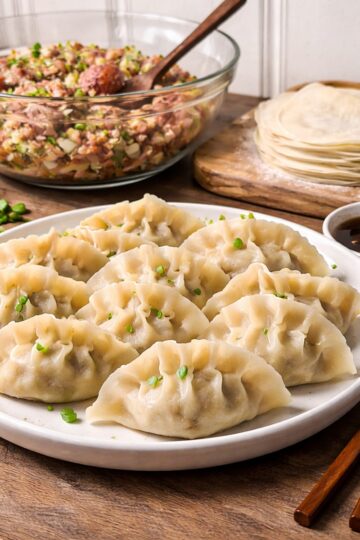
Wheat country: dumplings, noodles, buns, and roasted meats. Peking Duck, Jiaozi, Scallion Pancakes.
Explore Northern Chinese cooking →
Shanghai & Jiangnan
Gently sweet, glossy braises and delicate dumplings from the lower Yangtze. Hong Shao Rou, Xiaolongbao, Sheng Jian Bao, Lion's Head Meatballs.
Explore Jiangnan cooking →
Hunan
Hot and sour rather than numbing, with fresh chilies, smoked meats, and pickles. Mao-Style Red-Braised Pork, Dong'an Chicken, Smoked Pork with Dried Long Beans.
Explore Hunan cooking →
Fujian & the Southeast Coast
Seafood, light broths, and red wine lees. Buddha Jumps Over the Wall, Lychee Pork, Red Wine Lees Chicken.
Explore Southeast Coastal cooking →
Think of “Chinese food” less as a single cuisine and more like an entire continent of cooking traditions.
Core Techniques You’ll See Everywhere
Chinese cooking depends heavily on heat management and sequencing.
• Stir-frying over high heat
• Steaming for purity and texture
• Red-braising with soy sauce and aromatics
• Velveting proteins for tenderness
• Deep frying for crispness
• Knife work for even cooking
• Quick blanching and shocking
• Fermentation and preservation
Technique matters because many dishes cook extremely quickly.
In wok cooking, hesitation becomes overcooking almost immediately.
Go deeper on technique: Fire, Heat, and Browning for wok cooking, Braising and Slow Cooking for red-braising, Fermentation, and Chinese Dumplings 101.
The Chinese Pantry in One Sentence
A deeply layered pantry built around fermentation, aromatics, preserved ingredients, sauces, rice, noodles, and controlled seasoning.
Common essentials include:
- light soy sauce
- dark soy sauce
- black vinegar
- oyster sauce
- Shaoxing wine
- sesame oil
- dried chilies
- Sichuan peppercorns
- ginger
- garlic
- scallions
- rice
- noodles
- tofu
A handful of pantry ingredients can create thousands of combinations. Check out our Amazon Store Chinese Pantry
Pantry guides: Soy Sauce: The Quiet Power Broker of the Pantry, Black Vinegar 101, and make your own Garlic Chili Crunch Oil.
Restaurant Chinese vs. Everyday Chinese
American restaurant Chinese food often emphasizes:
- sweetness
- deep frying
- thick sauces
- oversized portions
Traditional home cooking is usually lighter, faster, more vegetable-forward, and more balanced.
A weeknight Chinese meal at home might include:
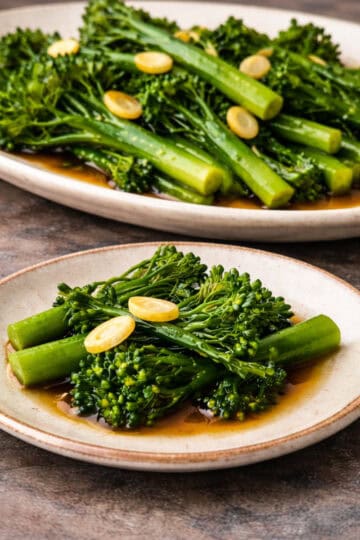
- a quickly stir-fried vegetable
- steamed rice
- soup
- one protein dish
- tea
Not every meal is banquet food.
And honestly, some of the best Chinese cooking is deceptively simple.
Why Heat Matters So Much
Chinese cooking is deeply tied to heat control.
A wok is not just a pan — it is a system of thermal management.
Too little heat:
- food steams
- vegetables soften
- sauces turn dull
Proper heat creates:
- caramelization
- smoky depth
- crisp tenderness
- what cooks call wok hei — the subtle charred aroma that gives great stir-fried food its unmistakable flavor
Timing becomes everything.
The difference between vibrant vegetables and limp vegetables can be less than thirty seconds.
A Simple Way to Judge Your Results
Good Chinese food should feel balanced, alive, and textured.
You should notice:
- contrast
- freshness
- aroma
- movement across the palate
If everything tastes uniformly salty, sugary, greasy, or soft, the dish lost balance somewhere during cooking.
Chinese Cooking: Common Questions
What are the main regional cuisines of China?
Chinese cooking is traditionally grouped into eight great cuisines: Sichuan, Cantonese, Shandong, Jiangsu, Zhejiang, Fujian, Hunan, and Anhui. Home cooks often think more simply in terms of north (wheat, noodles, dumplings) and south (rice, steaming, seafood).
What do I need to start cooking Chinese food at home?
Light soy sauce, dark soy sauce, Shaoxing wine, black vinegar, sesame oil, ginger, garlic, and scallions will cover a huge range of dishes. A wok helps, but a heavy skillet over high heat works.
Do I need a wok?
Not to start. A wok makes tossing and high-heat stir-frying easier, but heat control matters more than the pan. Cook in small batches so the pan stays hot.
Is American Chinese food “authentic”?
It’s its own tradition, created by Chinese immigrants cooking for American tastes. Dishes like Beef and Broccoli and Sweet and Sour Pork are sweeter and more fried than everyday home cooking in China, but they have a real history of their own.
What should I cook first?
Jiaozi for dough skills, Mapo Tofu for bold flavor, or Steamed Whole Fish for clean Cantonese technique. Celebrating? See Chinese Lunar New Year.