
By Chef Samantha Tilley, executive chef at The Market CT and former chef-owner of Mockingbird Kitchen & Bar.
Applesauce on latkes comes out of the Ashkenazi Jewish kitchens of Eastern Europe, where Hanukkah fell in the darkest, coldest weeks of the year. Fresh fruit was long gone by December, but apples kept for months in a cold cellar, and cooking them down into sauce was a cheap way to bring something bright to a winter table. There was a practical reason too. Under kosher dietary law, meat and dairy are never served at the same meal, so a family having brisket or chicken on Hanukkah could not put sour cream on its latkes. Applesauce, made from fruit alone, could go with anything. That is how a simple pot of cooked apples became half of the oldest argument on the Hanukkah table: applesauce or sour cream.
Homemade applesauce is apples, a little liquid and a few seasonings. That is all, which means every choice shows. The apples decide the texture. The lid decides whether they steam or scorch. The seasoning, added at the end and not the beginning, decides whether it tastes like fresh fruit or like something from a jar. Get those right and you have a sauce that is cool, tart and a little chunky, exactly what a hot, salty latke needs.
Make it a day ahead and the house smells like an orchard in October. On the night itself, it's the one thing on the menu that's already done. Set the bowl next to the sour cream and let everyone build their own latke. The table will split into two camps, and plenty of people will quietly take both.
Technique Intelligence
Technique: Sauces & Flavor Bases · Chapter 13 · Technique School
Use at least two kinds of apples
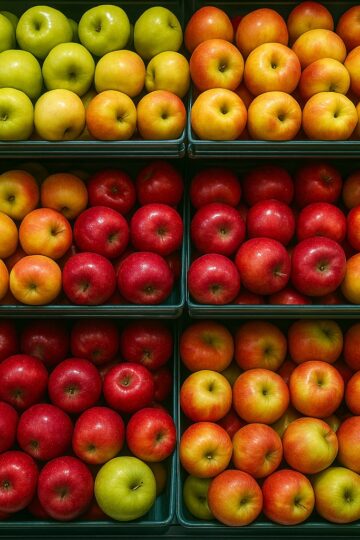
Apples behave differently in the pot. Soft varieties like McIntosh break down quickly into a smooth, fluffy sauce. Firm varieties like Honeycrisp and Granny Smith hold their shape and give the sauce a little bite. Using both gives you a sauce that is creamy with small chunks running through it, and mixing sweet and tart apples gives it balance without much added sugar.
Cut the pieces the same size
Cut the apples into even 1-inch pieces so they soften at the same rate. Small, uneven pieces turn to mush before the larger ones are tender.
Steam first, then simmer
Keep the lid on for the first 15 minutes. The apples steam in their own juice and the splash of cider, and they soften without catching on the bottom of the pot. If the sauce looks thin at the end, take the lid off for the last few minutes and let the extra liquid cook away. Don't walk away while it's uncovered; it can scorch fast.
Season at the end
Apples vary in sweetness from week to week, so taste before you add more sugar. A squeeze of lemon brightens the flavor and keeps the color from turning brown, and a pinch of salt makes the apples taste more like themselves. Adjust all three once the apples have cooked down.
Mash, don't purée, for latkes
A potato masher leaves the sauce chunky enough to sit on top of a latke instead of running off it. If you prefer it smooth, use an immersion blender, but stop while there is still some texture.
Ingredient Intelligence
Apples
McIntosh is the classic New England sauce apple: tender, tart and aromatic, it falls apart almost on its own. Pair it with a firm apple such as Honeycrisp, Granny Smith, Braeburn or Pink Lady. Late fall, right before Hanukkah, is when orchards and farm stands have the best selection, so buy a mix there if you can.
Apple Cider
Fresh, unfiltered apple cider adds a deeper apple flavor than water and a little natural sweetness. Water works fine if that is what you have. You only need enough liquid to get the apples started; they release plenty of their own.
Sugar or Honey
Treat the sweetener as optional. Sweet apples may need none at all. Honey gives a rounder, floral sweetness and fits the holiday table; light brown sugar adds a hint of caramel.
Lemon, Cinnamon and Salt
Lemon juice keeps the sauce bright and helps it hold its color. Cinnamon should sit in the background and make the apples taste warmer, not turn the sauce into pie filling. A small pinch of kosher salt pulls all the flavors together.
For cinnamon, Simply Organic and McCormick are both reliable, widely available choices.
Variations
- Pink applesauce: Leave the skins on red apples while they cook, then pass the sauce through a food mill. The skins tint it a soft rosy pink.
- Smooth applesauce: Blend with an immersion blender until silky, for children or for spreading.
- Unsweetened: Skip the sugar and use all sweet apples, such as Honeycrisp, Gala and Fuji.
- Warm spice: Add a pinch of ground ginger or cardamom with the cinnamon.
- Apple-pear: Replace one-third of the apples with ripe Bartlett pears for a softer, more floral sauce.
- Cranberry-apple: Add 1 cup fresh cranberries with the apples and an extra tablespoon of sugar for a tart, ruby-colored sauce.
Make Ahead, Storage and Freezing
Make ahead: Make the applesauce up to 3 days before Hanukkah. It tastes even better the next day, once the flavors settle.
Storage: Refrigerate in a covered container up to 1 week.
Freezing: Freeze in airtight containers, leaving a little room at the top, up to 3 months. Thaw overnight in the refrigerator and stir before serving.
Serving temperature: Serve it cold or at room temperature with hot latkes, or warm it gently on the stove to serve with brisket or roast chicken.
What to Serve with Homemade Applesauce
- Crispy Potato Latkes, with a bowl of sour cream alongside
- Braised Beef Brisket with Onions and Carrots
- Potato Kugel
- Roast chicken or pork chops
- Cheese blintzes or pancakes for a dairy brunch
- A glass of off-dry Riesling or cold sparkling apple cider
Homemade Applesauce FAQ
What are the best apples for applesauce? A mix. Use a soft apple like McIntosh for body and a firm one like Honeycrisp or Granny Smith for texture and tartness.
Do I have to peel the apples? For chunky applesauce to serve with latkes, yes; the skins turn tough and stringy. If you want smooth, pink applesauce, leave the skins on red apples and pass the cooked sauce through a food mill.
Why do Jewish families serve applesauce with latkes? Apples kept well through the Eastern European winter, and because kosher law keeps meat and dairy apart, applesauce was the topping that worked at a meat meal where sour cream could not be served.
Applesauce or sour cream on latkes? Both. Sour cream is rich and tangy; applesauce is sweet and bright. Put out both and let everyone choose.
Can I make applesauce without sugar? Yes. Use sweet apples and skip the sugar entirely; taste at the end and add a little honey only if it needs it.
Can I can this applesauce? This recipe is meant for the refrigerator or freezer. For shelf-stable jars, follow a tested canning recipe from the National Center for Home Food Preservation.
Planning Hanukkah? See the full Hanukkah Dinner Menu with latkes, brisket and a make-ahead plan, or plan the whole dinner in the Menu Planner →
Homemade Applesauce for Latkes

Equipment
- Heavy pot or Dutch oven
- Vegetable peeler
- Potato masher
- Immersion blender (optional)
Ingredients
- 3 lb apples about 6 medium, a mix such as McIntosh, Honeycrisp and Granny Smith
- ½ cup apple cider or water
- 2 tablespoon sugar or honey optional, to taste
- 1 tablespoon lemon juice
- ½ teaspoon ground cinnamon
- 1 pinch kosher salt
Instructions
- Prep the apples: Peel, core and cut 3 lb apples into even 1-inch pieces.
- Simmer: Put the apples, ½ cup apple cider, 2 tablespoon sugar or honey (if using), 1 tablespoon lemon juice, ½ teaspoon ground cinnamon and a pinch of kosher salt in a heavy pot. Cover and cook over medium-low heat for 15 minutes, stirring once or twice, then uncover and simmer 5 to 10 minutes more, until the apples fall apart and most of the liquid has cooked away.
- Mash: Mash with a potato masher for chunky applesauce, or use an immersion blender for smooth.
- Taste and serve: Taste and adjust with more sugar, lemon or a pinch of salt. Serve warm, at room temperature or cold.
Notes
Made this? Leave a star rating and a comment below: which apples did you use, and is your family team applesauce or team sour cream? I read every comment.
Comments
No Comments