Lazio, Umbria, Marche
Central Italian cuisine is defined by technique-driven cooking built on pasta, cured pork, cheese, and precise heat control, with city traditions that give the region its identity. In Rome, dishes like cacio e pepe, carbonara, and amatriciana showcase how a few ingredients are transformed through emulsification and timing rather than excess. Nearby Amatrice anchors the region’s tomato-and-pork tradition, while Ascoli Piceno is known for olive all’ascolana, reflecting a balance of meat, fat, and structure. Together, these cities define Central Italian food as bold, disciplined, and built on execution rather than complexity.
Key Ingredients in Central Italian Cuisine
Central Italian cuisine is built around dried pasta, eggs, cured pork, and hard cheeses, supported by olive oil and black pepper. Guanciale, pecorino, and tomatoes appear frequently, with ingredients chosen for intensity and precision rather than quantity. Flavor is driven by balance and technique rather than complexity.
Key Techniques in Central Italian Cooking
Central Italian food is built on execution. The ingredients are few; the margin for error is smaller.
- Sauces & Bases
Sauces are built through emulsification—fat, cheese, and cooking liquid coming together off the heat to form a cohesive coating rather than a heavy gravy.
You know it from: cacio e pepe - Bread & Dough
Dried pasta is cooked precisely and finished in sauce to achieve the correct texture and binding, with no excess liquid or fat.
You know it from: carbonara - Sautéing
Cured pork and aromatics are cooked gently to release fat and flavor without browning or bitterness, forming the base of many dishes.
You know it from: amatriciana - Braising & Slow Cooking
Meats are cooked slowly and deliberately to stay tender and structured, often served simply without masking sauces.
You know it from: saltimbocca alla romana
-
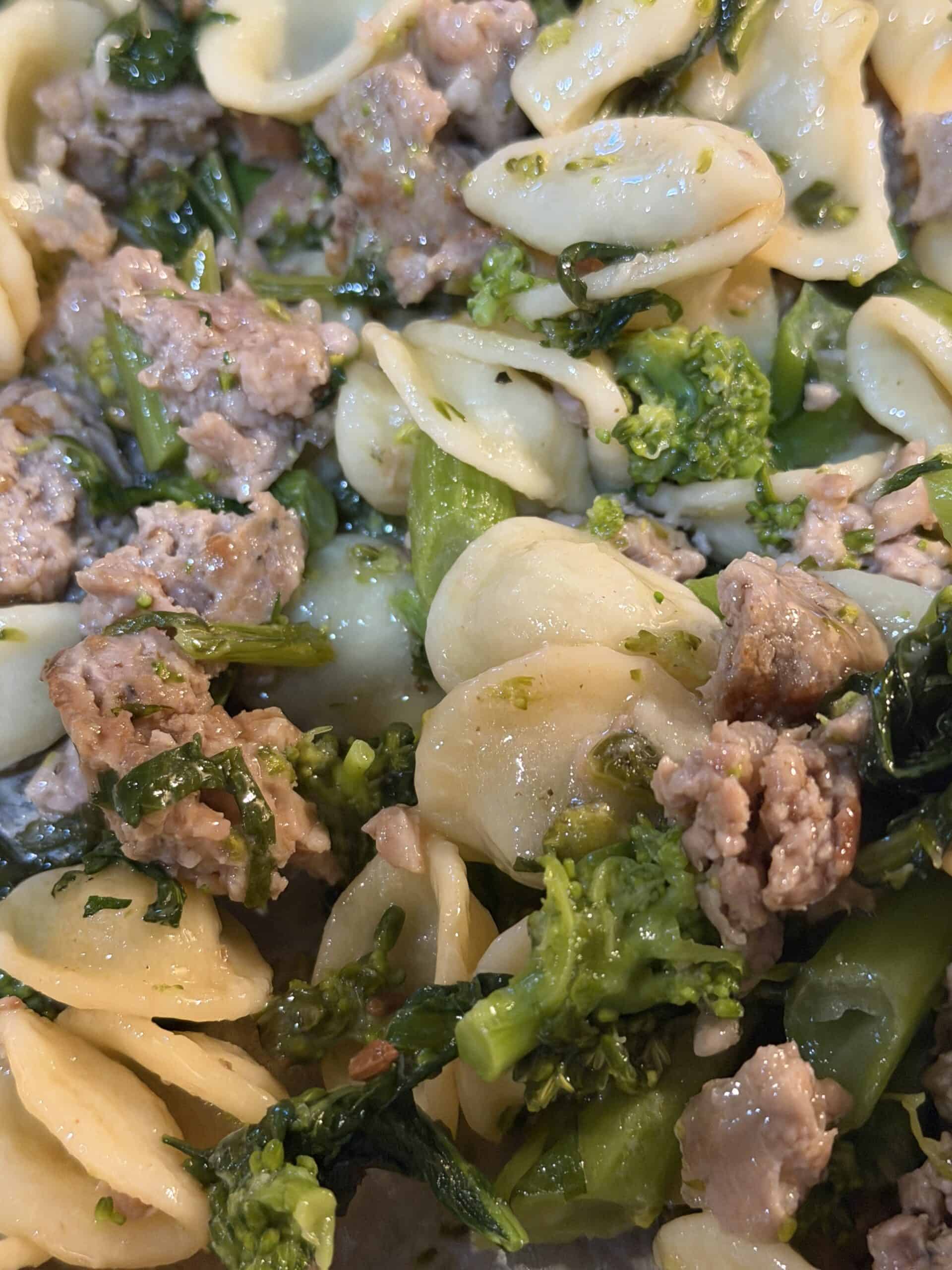
Classic Orecchiette con Salsiccia e Cime di Rapa

Southern Italian food was never built around expensive ingredients. A pot of water steaming on the stove. Someone breaking sausage into a pan while another person tears bread at the table. Voices carrying from somewhere else in the house. Olive oil, garlic, and chili slowly finding their way through the kitchen long before anyone sits…
-
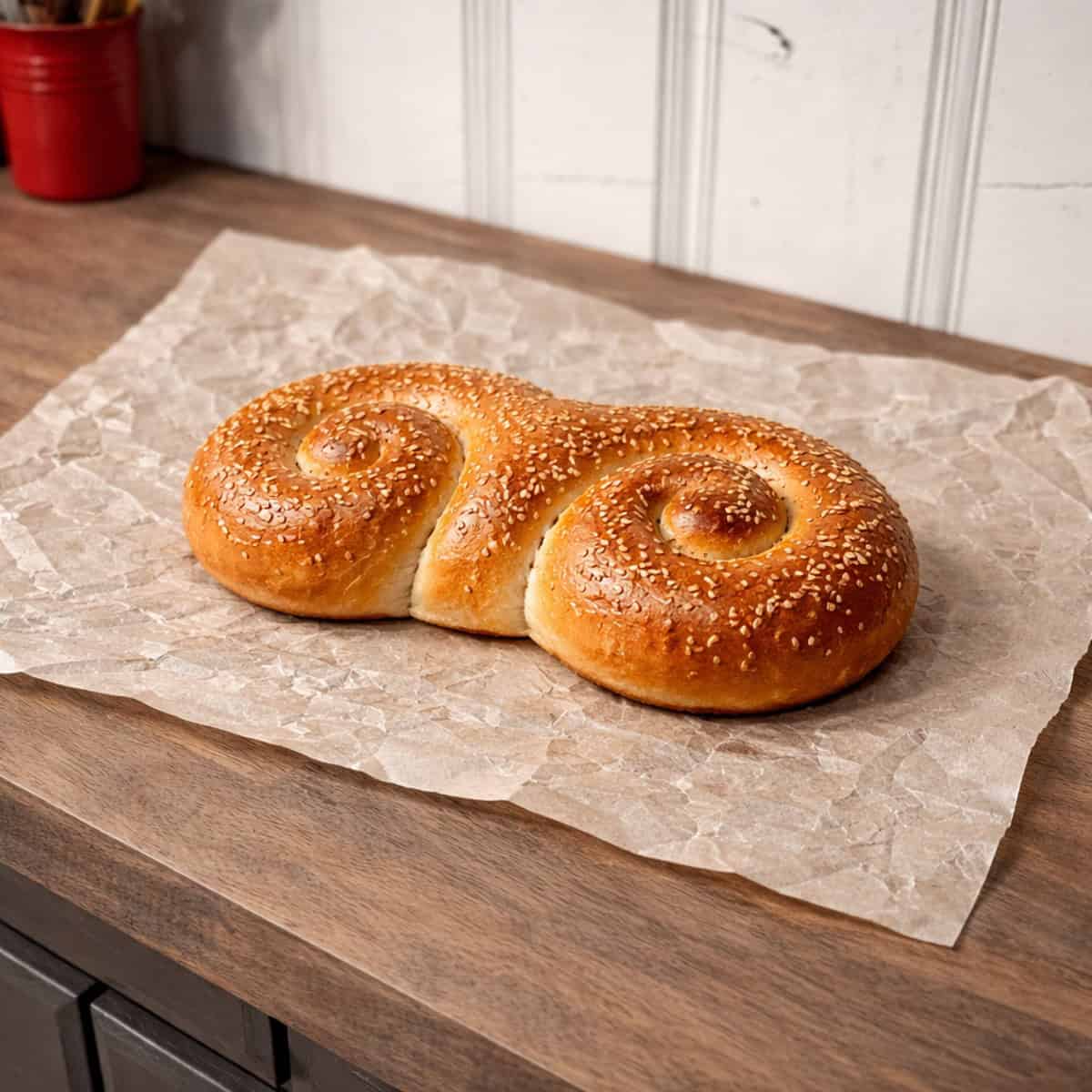
Pane di San Giuseppe — St. Joseph's Bread

The Bread That Doesn’t Need Sugar to Matter Some breads are built to impress. This one was built to survive. Across Sicily, In southern Italy—this bread appears on the table for the Feast of St. Joseph, a day rooted in gratitude after famine. When the rains finally came, people didn’t celebrate with excess. They celebrated…
-
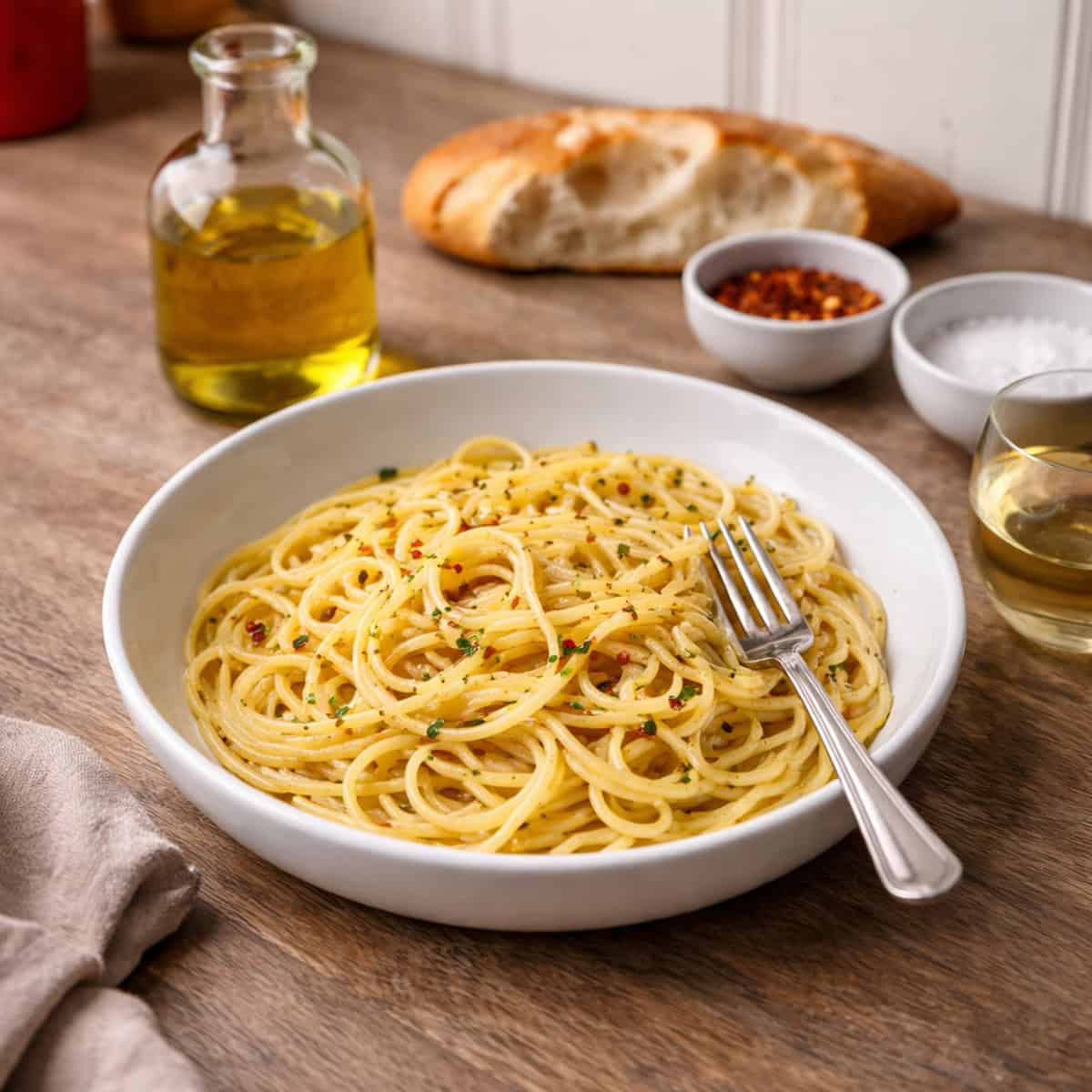
Authentic Spaghetti Aglio e Olio | Italian Garlic & Olive Oil Pasta
Spaghetti aglio e olio is what you cook when the pantry looks bare but dinner still matters. Olive oil, garlic, dried chili, and pasta — nothing decorative, nothing hidden, nothing to distract from technique. In Italy, this is late-night food, travel-day food, end-of-week food — proof that a few good ingredients, handled properly, are enough.…
-
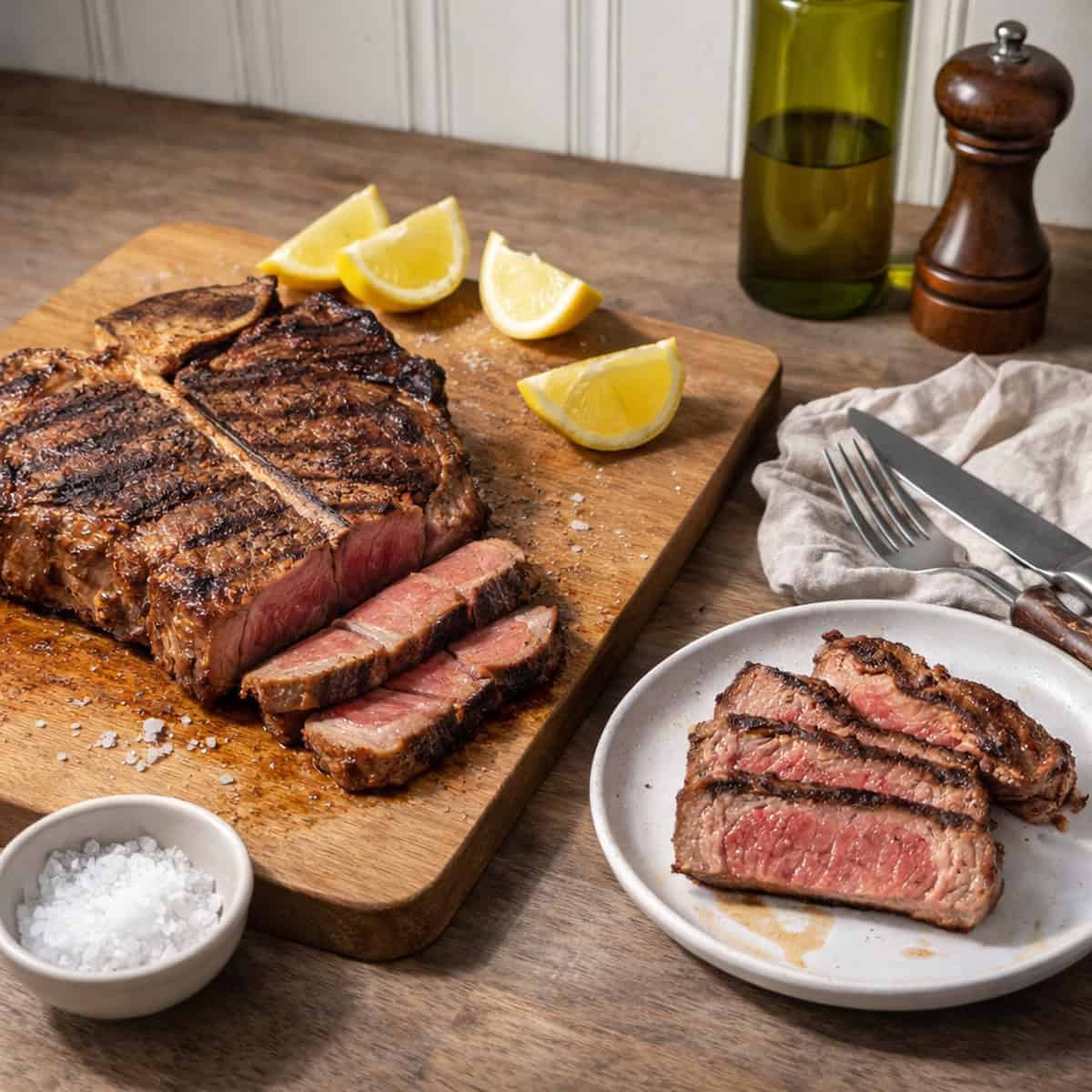
Bistecca alla Fiorentina
Bistecca alla Fiorentina isn’t about seasoning, sauces, or clever technique. It’s about a massive cut of beef, fierce heat, and knowing when to stop interfering. Why This Dish Matters In Florence, this steak isn’t a flex—it’s a given. Traditionally cut from Chianina cattle and grilled over wood or charcoal, bistecca exists because Tuscany had cattle,…
-
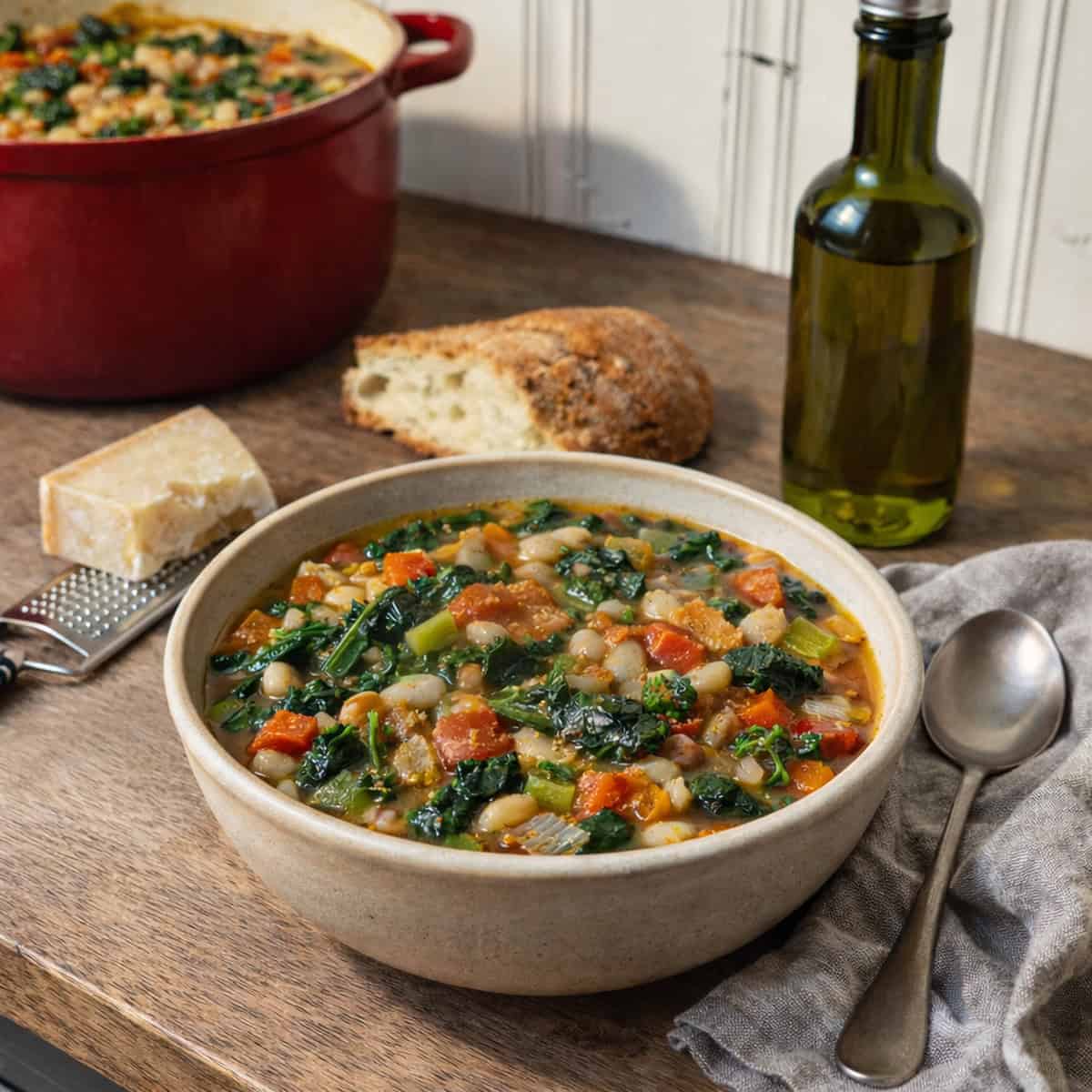
Ribollita (Tuscan Bread and Vegetable Soup)
Ribollita is not a soup you “invent.” It’s a soup you inherit. Born out of necessity in Tuscany, ribollita is what happens when yesterday’s bread, yesterday’s beans, and whatever vegetables are still standing come together and refuse to be wasted. It’s peasant food in the truest sense — not rustic as an aesthetic, but practical,…
-
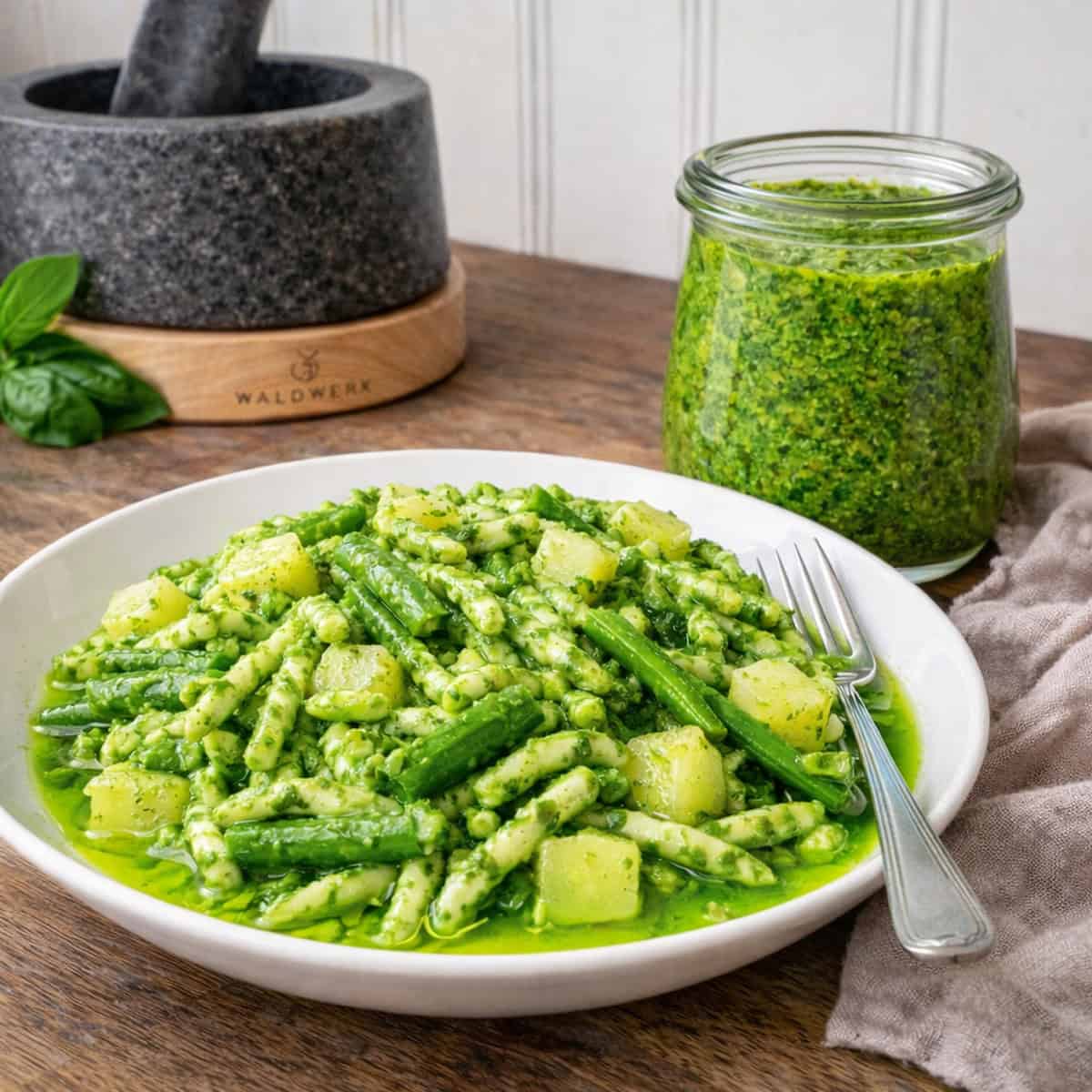
Pesto Genovese (The Real Thing)
Pesto Genovese doesn’t need fixing, It doesn’t need lemon, cream, spinach, walnuts, or clever substitutions meant to make it louder or greener or more “interesting.” It exists because basil grows aggressively along the Ligurian coast, and someone figured out how to turn that abundance into dinner using almost no heat and very little force. The…
-
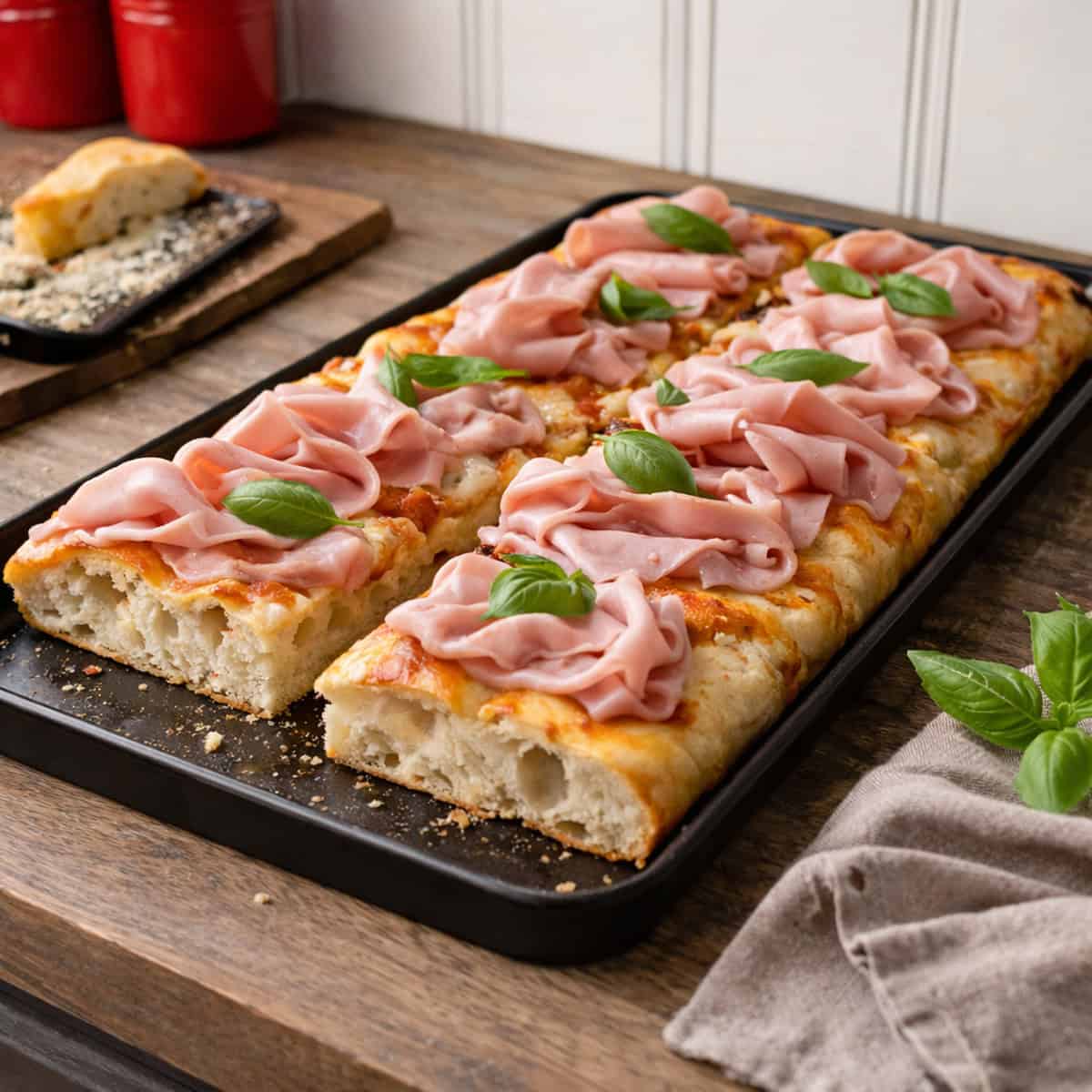
Roman Pizza: An Oven-Baked Alternative to a Pizza Oven
(Pizza in Teglia Romana) Roman pizza doesn’t chase attention. It earns it. This is pizza built on dough — how it’s mixed, how it rests, how it’s handled, and how it bakes. Long fermentation, high hydration, olive oil, and a rectangular pan that lets heat work evenly and aggressively across the crust. It’s meant to…
-
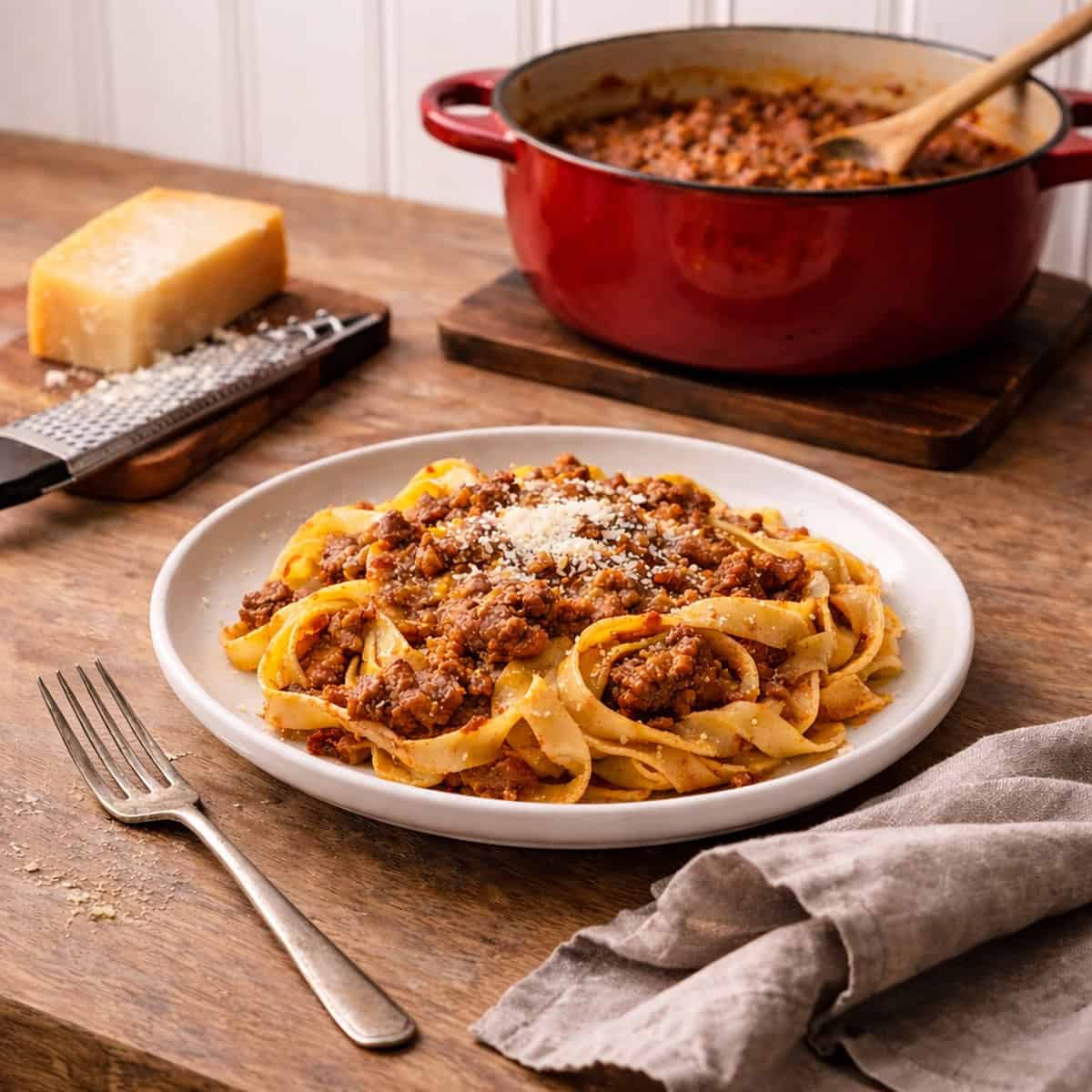
Bolognese (Ragù alla Bolognese)
A traditional ragu alla Bolognese, slow cooked with beef and pork until it settles in over time. There’s no big reveal, no glossy finish, no reason to Instagram it halfway through. It starts plain, almost unimpressive — chopped vegetables sweating quietly, meat giving up its moisture, a pot that smells more like dinner-in-progress than anything…
-
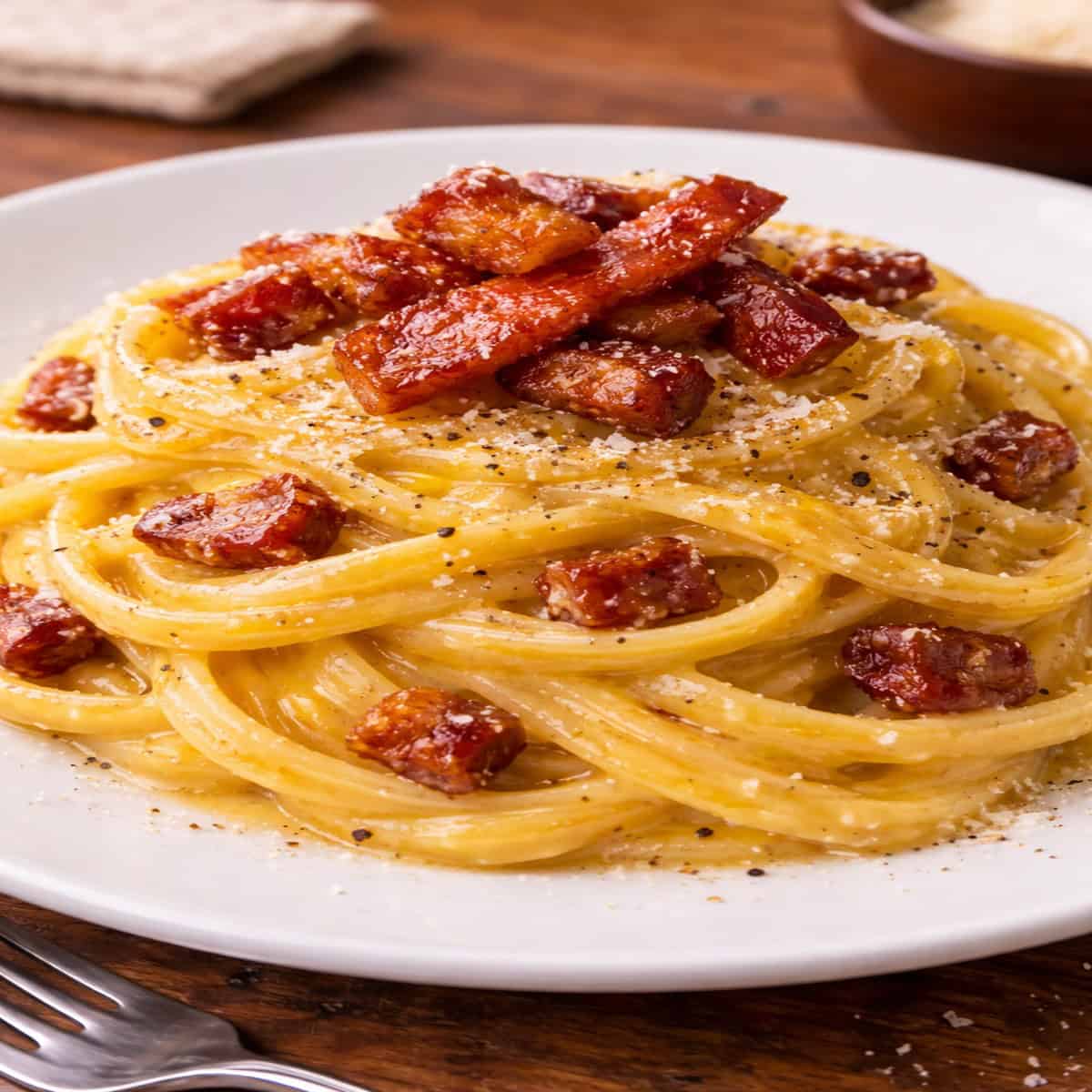
Carbonara with Fresh Pasta
Carbonara is a trust exercise. Trust in ingredients. Trust in timing. Trust that you don’t need cream, garlic, peas, or clever substitutions to make something deeply satisfying. When carbonara goes wrong, it’s rarely because the dish is difficult — it’s because someone didn’t trust the process, or didn’t understand what the dish is trying to…
-
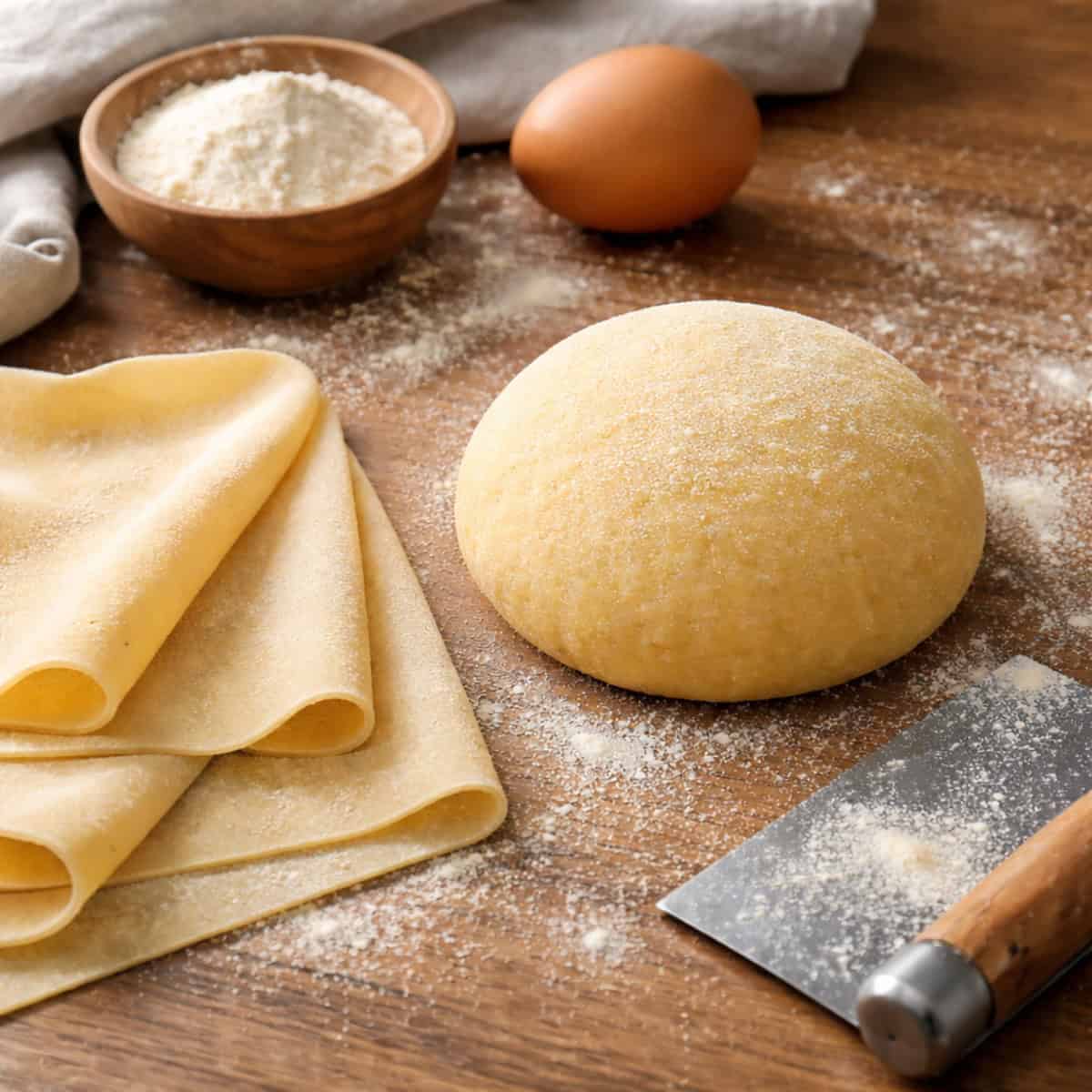
Basic Pasta Dough (By Hand or Food Processor)
Fresh pasta doesn’t ask for much. Flour, eggs, pressure, and time. What it does ask for is attention — especially at the beginning, when the dough tells you exactly what it needs if you’re willing to listen. This recipe is built as one dough, two methods. You can make it by hand, slowly and deliberately,…
-
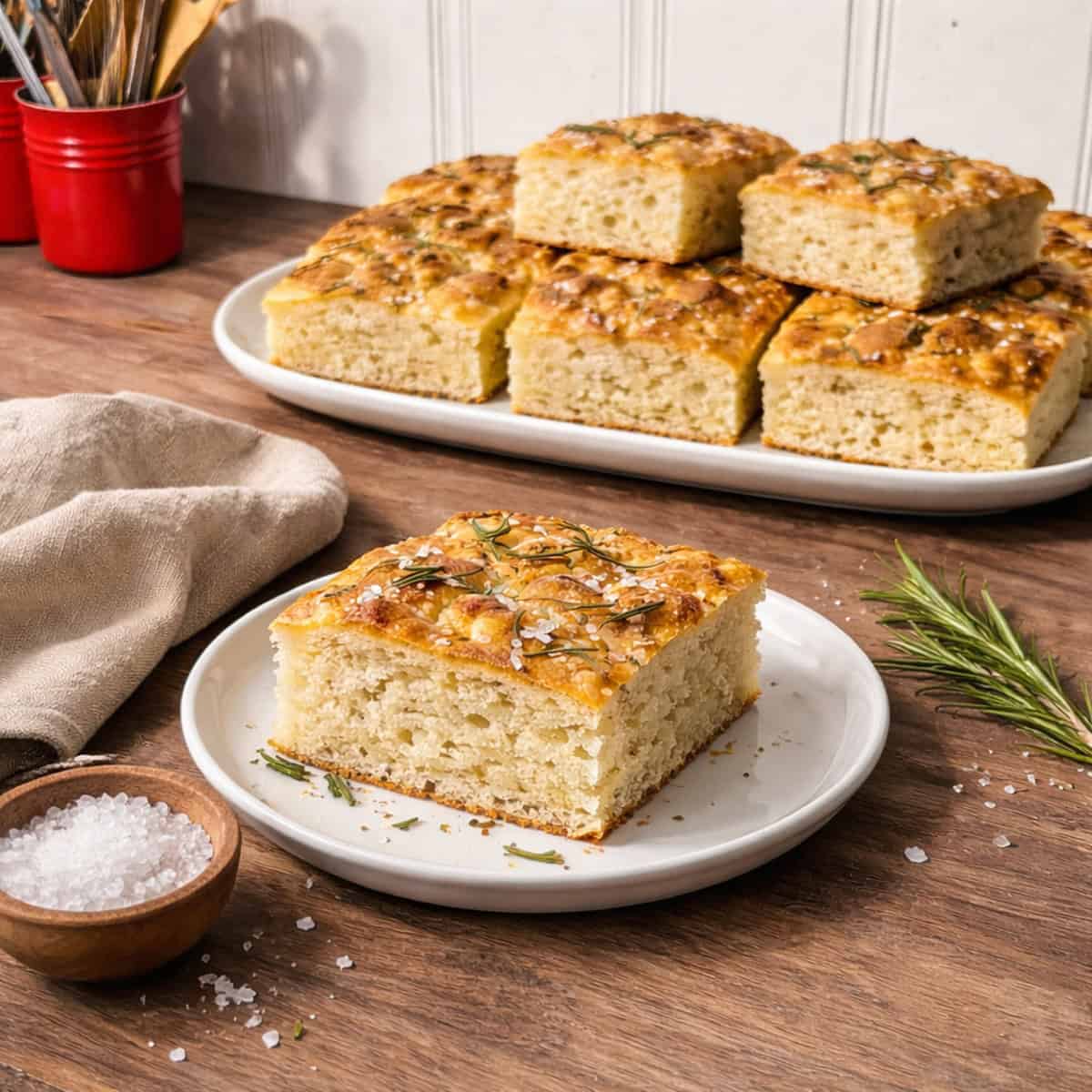
Focaccia (Same-Day Bake or Overnight Ferment)
Focaccia is forgiving, but it isn’t casual. It looks relaxed — olive oil, dimples, salt — but what gives it character happens long before the oven turns on. Fermentation, timing, and handling matter more than toppings ever will. This recipe is built as one dough, two timelines. You can bake it the same day for…
-
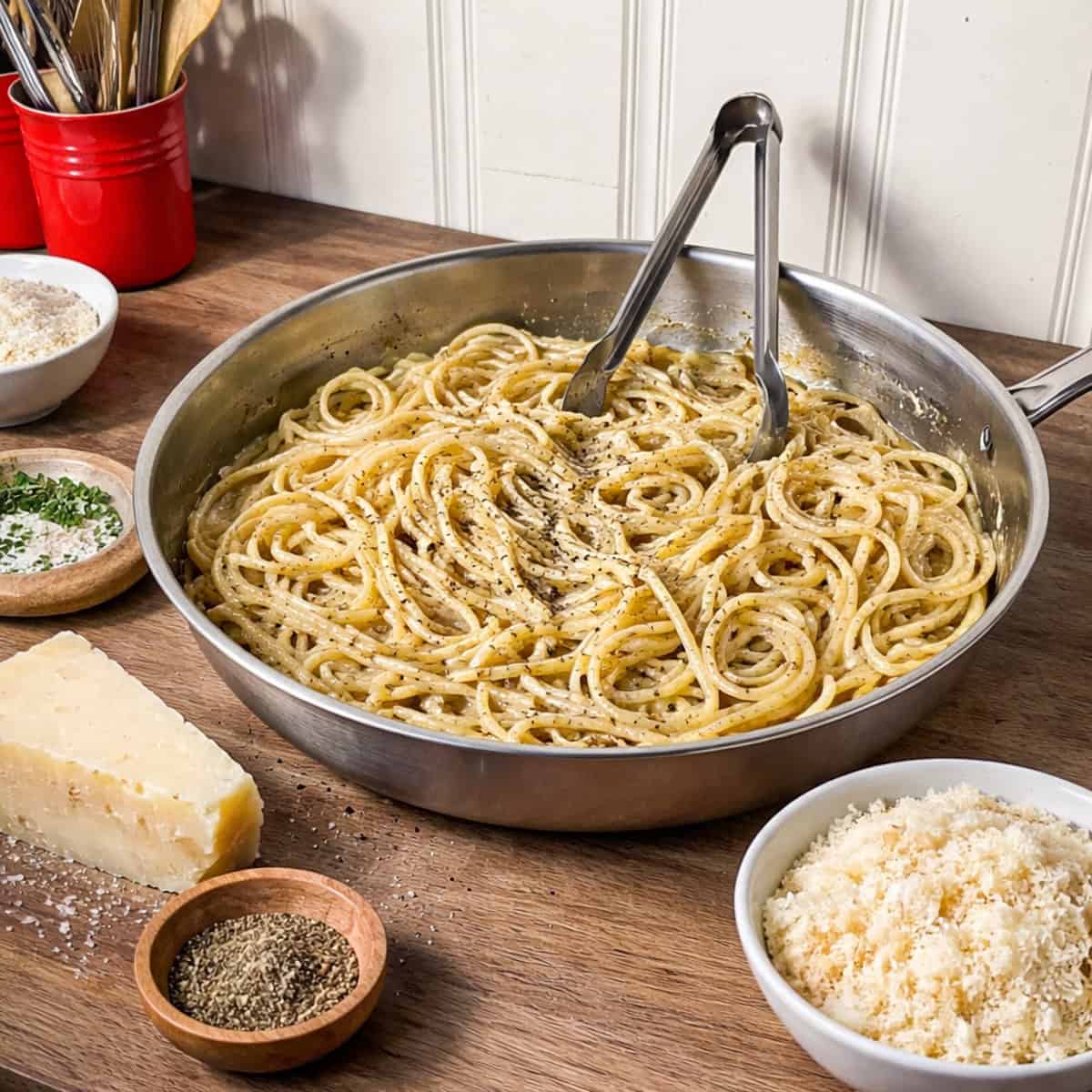
Cacio e Pepe (Roman Cheese & Pepper Pasta)
Cacio e Pepe is one of those dishes that looks simple enough to invite carelessness. Pasta, cheese, pepper — it reads like a shrug. And yet it’s one of the fastest ways to expose whether someone understands heat, timing, and restraint. There’s no cream here. No rescue sauce waiting in the wings. What you’re building…
-
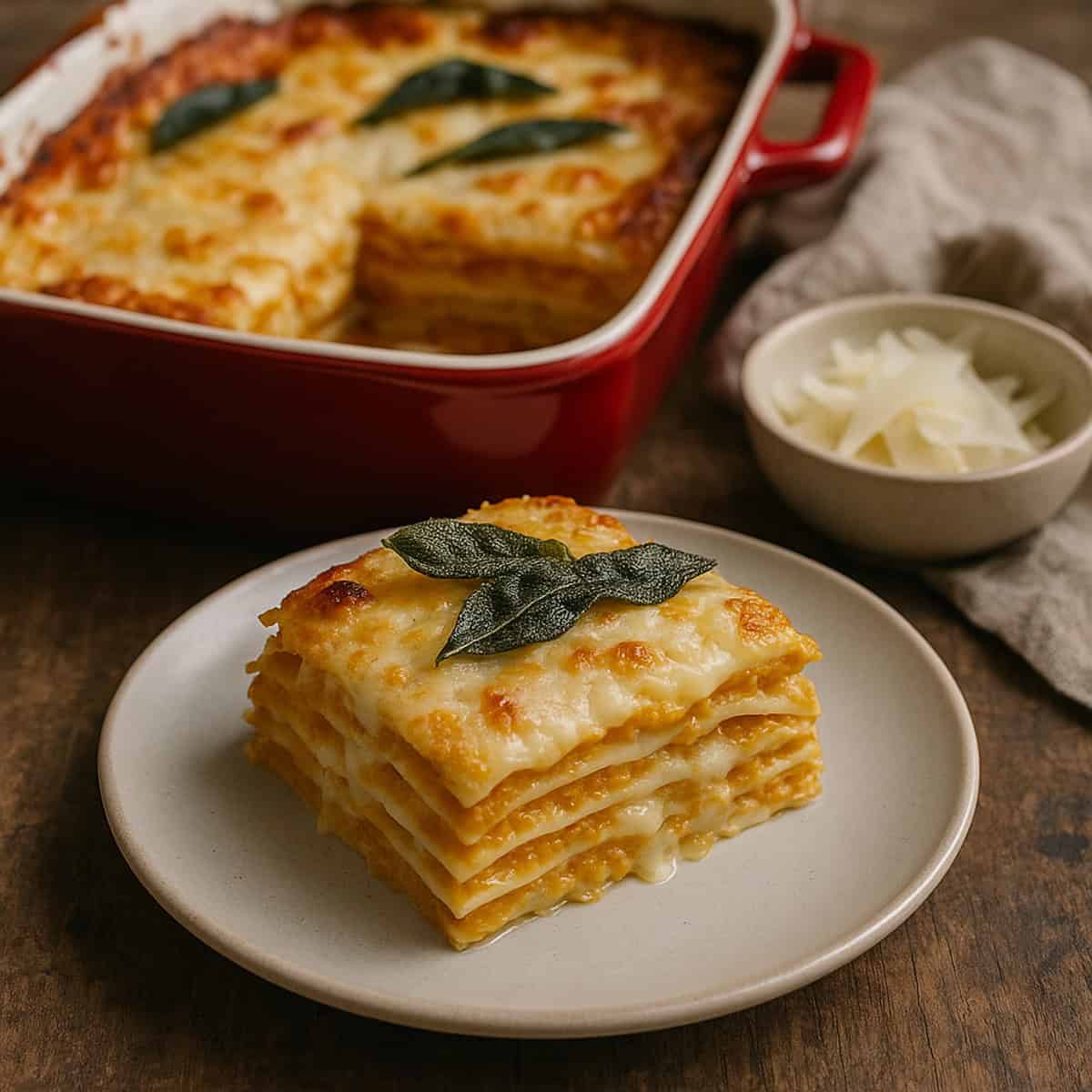
Butternut Squash Lasagna - Cozy Fall Favorite
You’ll Love This Butternut Squash Lasanga Recipe Butternut squash lasagna is a fall twist on classic Italian comfort food. Instead of a tomato-based sauce, this recipe uses roasted squash blended into a creamy filling, balanced with ricotta and mozzarella. Fresh sage and nutmeg bring out warm seasonal notes. This creamy butternut squash vegetarian lasagna layers…
-
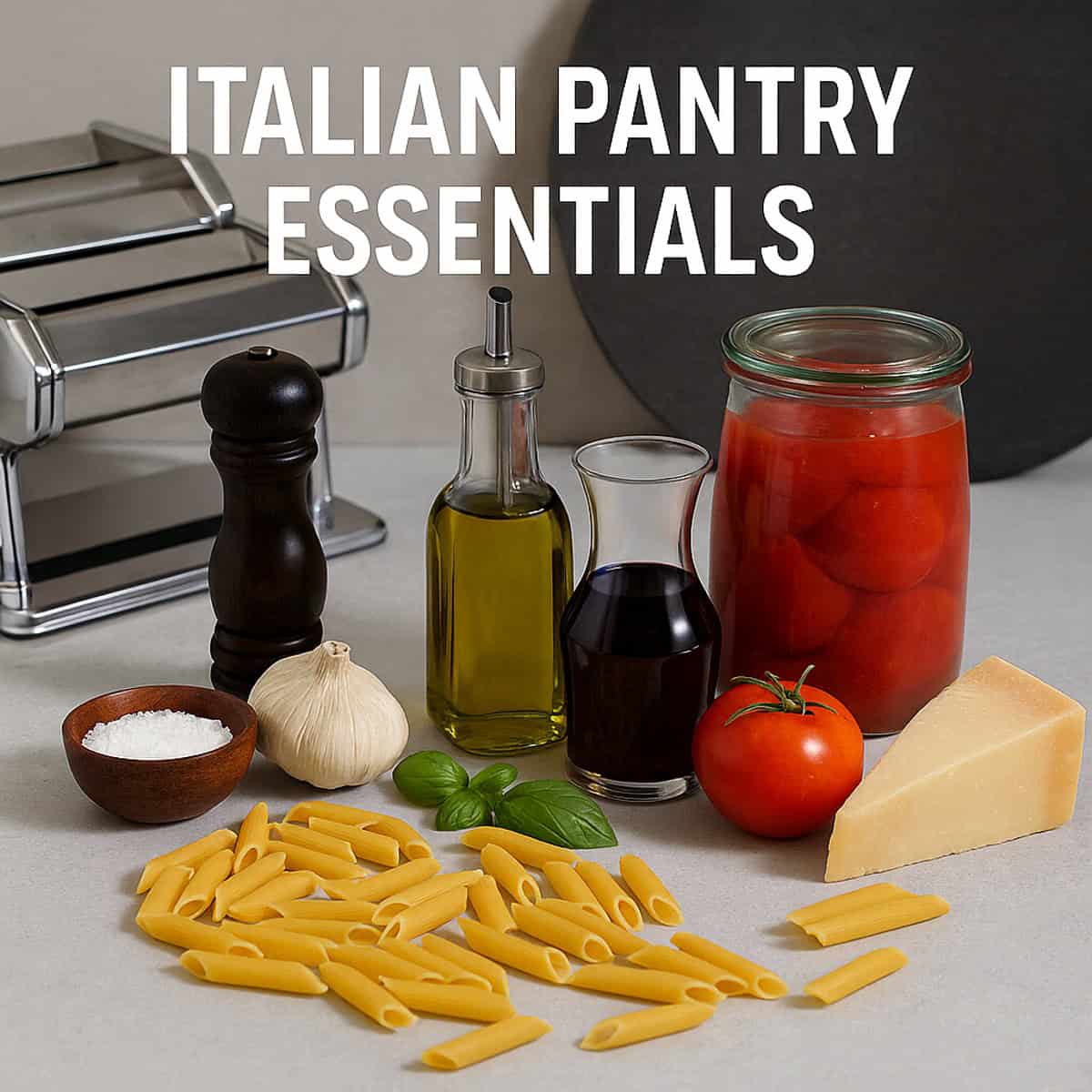
Italian Pantry Essentials | Ingredients & Tools for Authentic Italian Cooking
Building your Italian Pantry Italian cuisine is rustic yet refined, and it thrives on quality over quantity. A handful of pantry staples — good olive oil, canned and ripe tomatoes, pasta, parmesan and pecorino Romano — form the backbone of countless dishes. With the right ingredients and equipment, your kitchen can shift from pasta al…
-
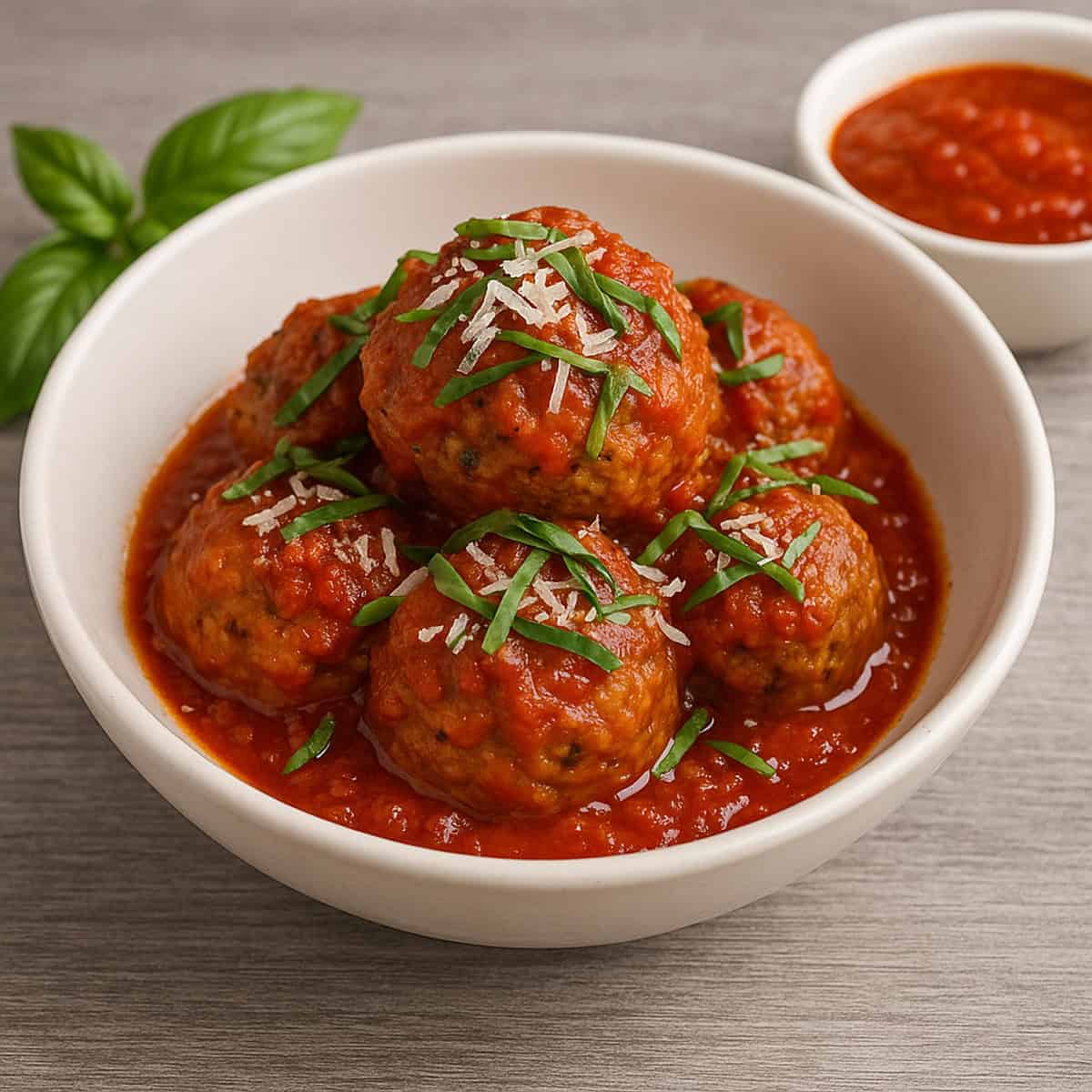
Nonna’s Secret Italian Meatballs with The Essential Italian Tomato Sauce (Sugo al Pomadoro)
What's the Secret to these Italian Meatballs? If there’s one recipe that brings family together, it’s Nonna’s Italian meatballs. Hand-rolled, simmered in rich tomato sauce, and served with love, this recipe has been passed down for generations. Unlike ordinary meatballs, Nonna’s version uses a secret blend of meats, fresh herbs, and just the right touch…