Lazio, Umbria, Marche
Central Italian cuisine is defined by technique-driven cooking built on pasta, cured pork, cheese, and precise heat control, with city traditions that give the region its identity. In Rome, dishes like cacio e pepe, carbonara, and amatriciana showcase how a few ingredients are transformed through emulsification and timing rather than excess. Nearby Amatrice anchors the region’s tomato-and-pork tradition, while Ascoli Piceno is known for olive all’ascolana, reflecting a balance of meat, fat, and structure. Together, these cities define Central Italian food as bold, disciplined, and built on execution rather than complexity.
Key Ingredients in Central Italian Cuisine
Central Italian cuisine is built around dried pasta, eggs, cured pork, and hard cheeses, supported by olive oil and black pepper. Guanciale, pecorino, and tomatoes appear frequently, with ingredients chosen for intensity and precision rather than quantity. Flavor is driven by balance and technique rather than complexity.
Key Techniques in Central Italian Cooking
Central Italian food is built on execution. The ingredients are few; the margin for error is smaller.
- Sauces & Bases
Sauces are built through emulsification—fat, cheese, and cooking liquid coming together off the heat to form a cohesive coating rather than a heavy gravy.
You know it from: cacio e pepe - Bread & Dough
Dried pasta is cooked precisely and finished in sauce to achieve the correct texture and binding, with no excess liquid or fat.
You know it from: carbonara - Sautéing
Cured pork and aromatics are cooked gently to release fat and flavor without browning or bitterness, forming the base of many dishes.
You know it from: amatriciana - Braising & Slow Cooking
Meats are cooked slowly and deliberately to stay tender and structured, often served simply without masking sauces.
You know it from: saltimbocca alla romana
-
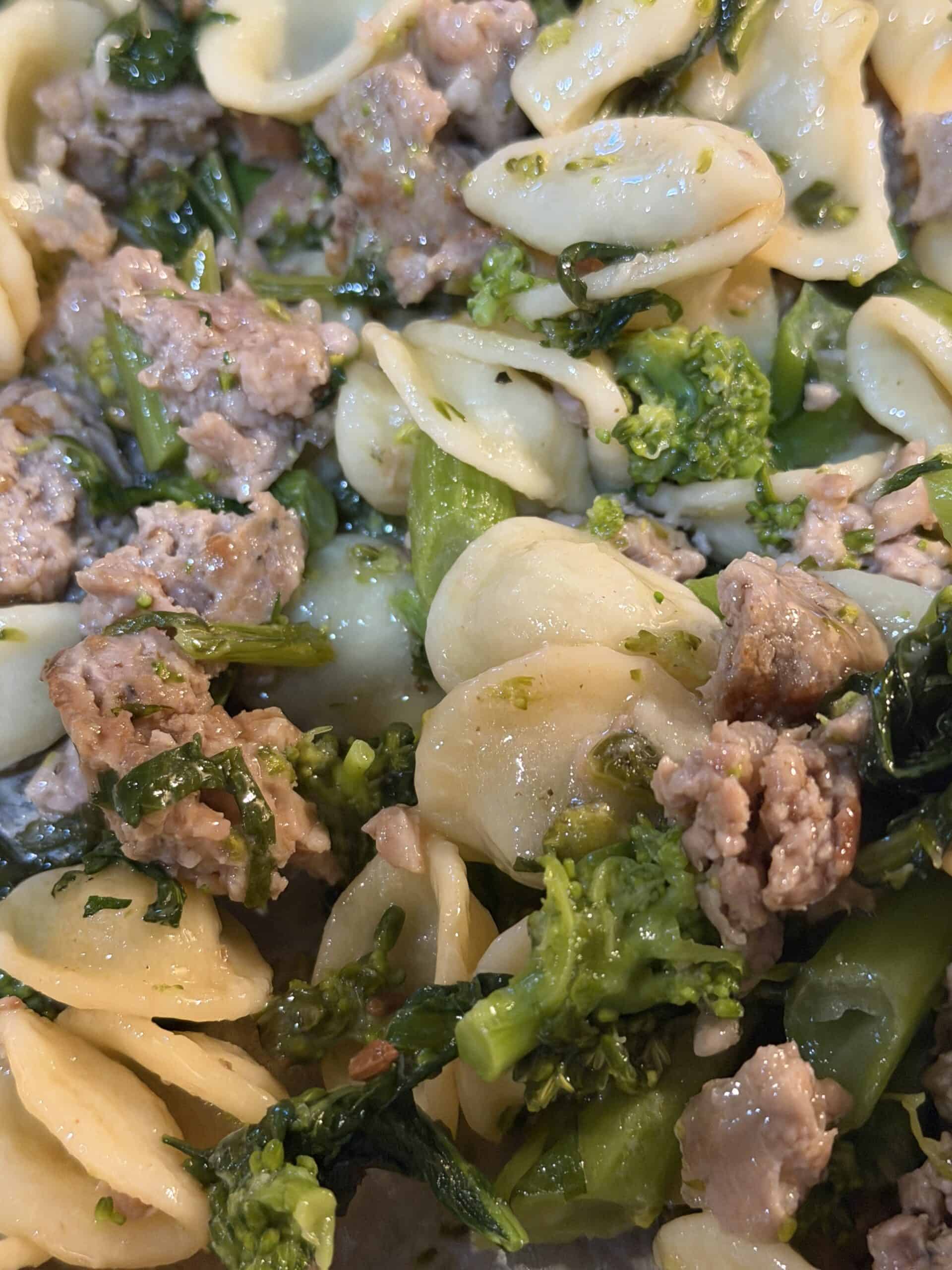
Classic Orecchiette con Salsiccia e Cime di Rapa

Orecchiette, "little ears," are the pasta of Puglia, the heel of Italy's boot. In the old town of Bari, women still sit at tables outside their doors shaping them by hand from durum wheat semolina and water, dragging each piece across a wooden board with a knife and turning it over the thumb. The classic…
-
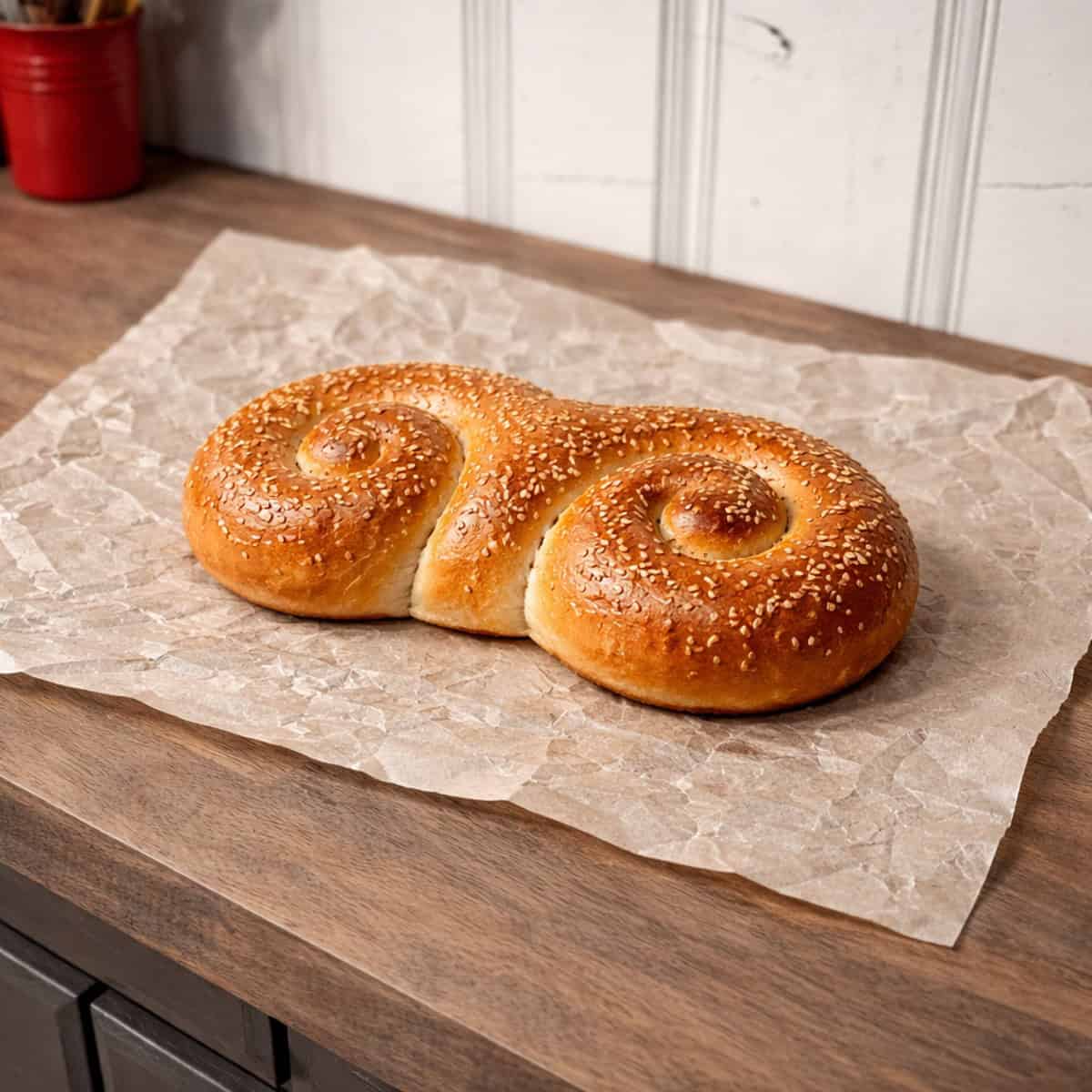
Pane di San Giuseppe — St. Joseph's Bread

Pane di San Giuseppe is baked for the Feast of St. Joseph on March 19, one of the most important days of the year in Sicily. According to Sicilian tradition, during a drought and famine in the Middle Ages, people prayed to St. Joseph for rain and promised to honor him if their prayers were…
-
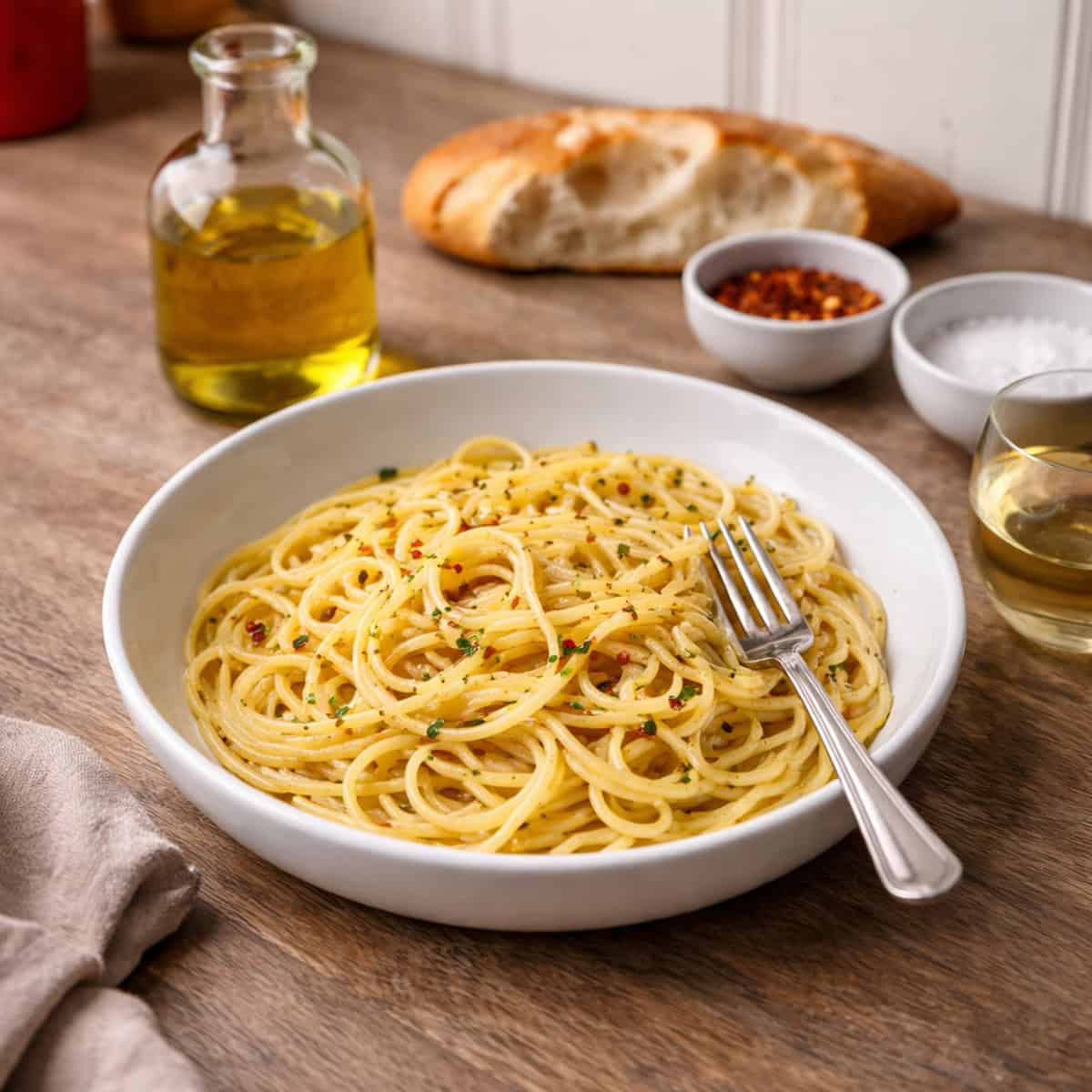
Spaghetti Aglio e Olio: Classic Garlic and Oil Pasta
Spaghetti aglio e olio, garlic and oil, comes from the cucina povera of southern and central Italy, the cooking of poor kitchens that turned a few humble ingredients into a real meal. It is most closely tied to Naples and Rome, and it is the dish Italians make when the pantry looks bare but dinner…
-
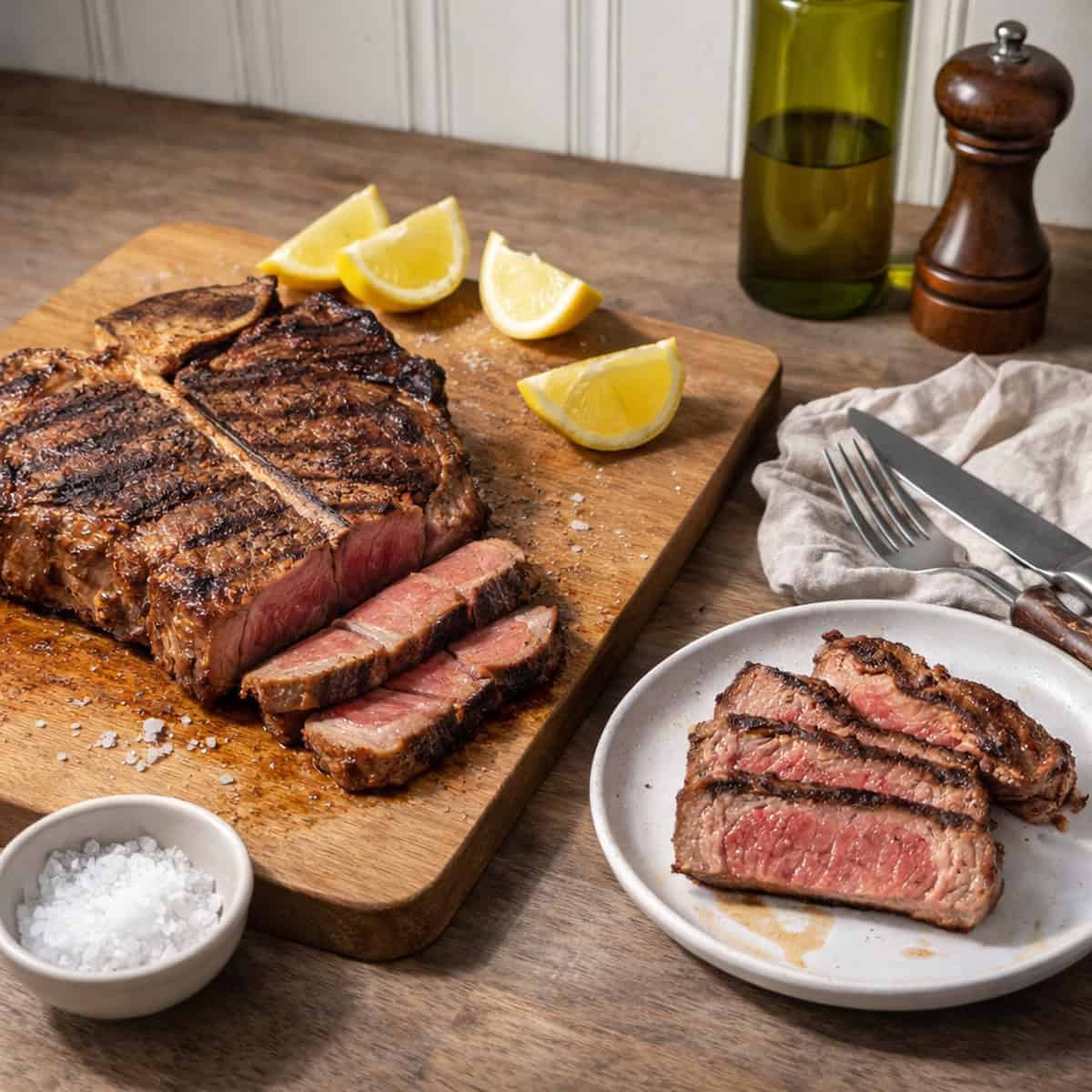
Bistecca alla Fiorentina
Bistecca alla Fiorentina is the great steak of Florence. A popular story traces its name to the Feast of San Lorenzo, when the Medici family roasted beef over bonfires for the city, and English visitors in the crowd called out for "beef steak," which Florentines turned into bistecca. Whatever the truth, the steak has been…
-
Ribollita (Tuscan Bread and Vegetable Soup)
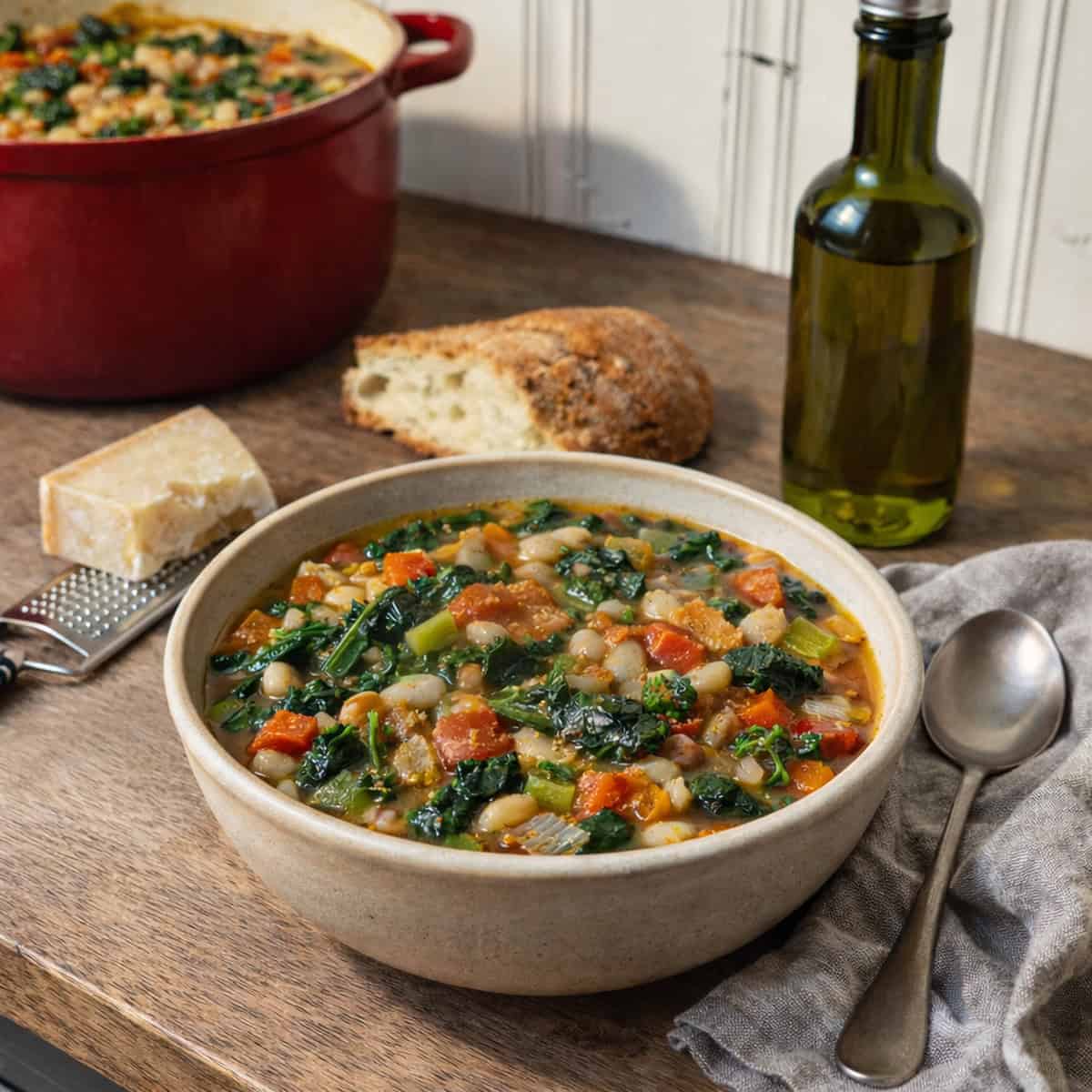
Ribollita is not a soup you invent. It is a soup you inherit. Born in the Tuscan countryside around Florence and Siena, ribollita is what happens when yesterday's bread, yesterday's beans and whatever winter vegetables are still standing come together and refuse to be wasted. Tuscan bread is baked without salt, so it goes stale…
-
Pesto Genovese (The Real Thing)
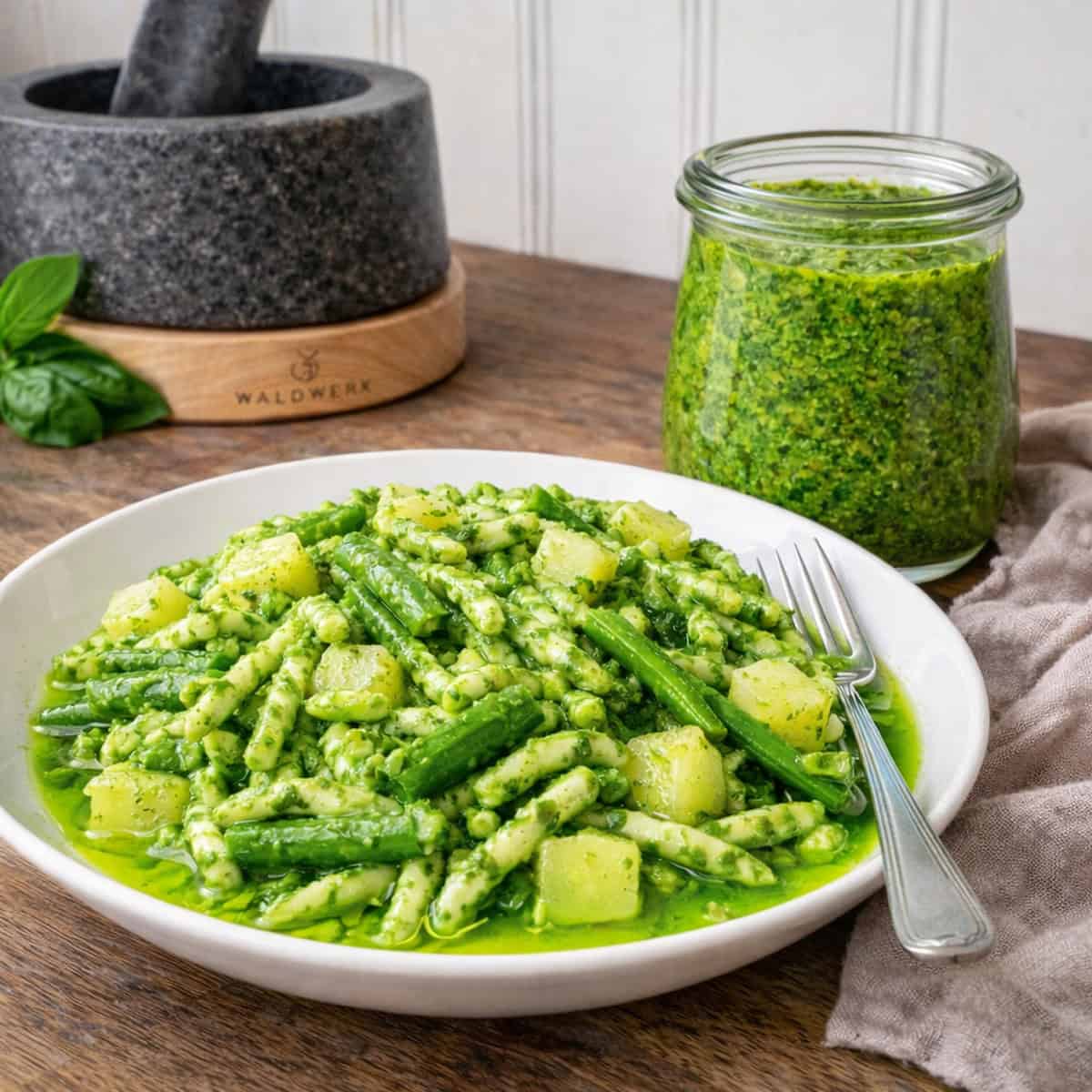
Pesto Genovese is the sauce of Genoa and the Ligurian coast, the narrow crescent of northwest Italy where the mountains drop straight into the sea and small-leaved basil grows in terraced gardens and greenhouses above the water. The name comes from pestare, to pound, because it was made the way many Genoese cooks still make…
-
Roman Pizza: An Oven-Baked Alternative to a Pizza Oven
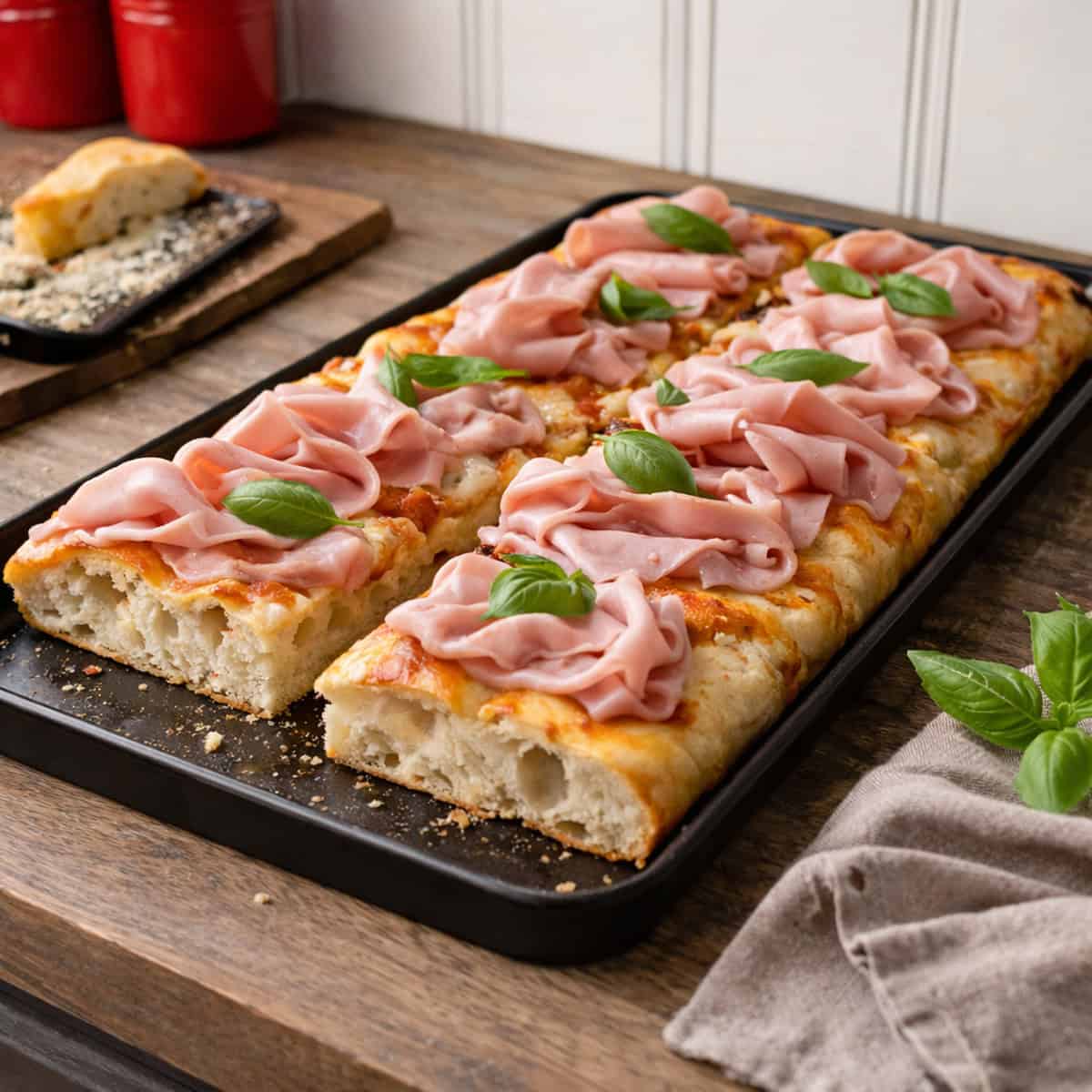
In Rome, pizza is as much a bakery food as a restaurant one. Pizza in teglia, pizza baked in a long, shallow metal pan, is sold in bakeries and pizza shops across the city as pizza al taglio: cut to order with scissors or a knife, weighed, folded into paper and eaten standing up. Romans…
-
Bolognese (Ragù alla Bolognese)
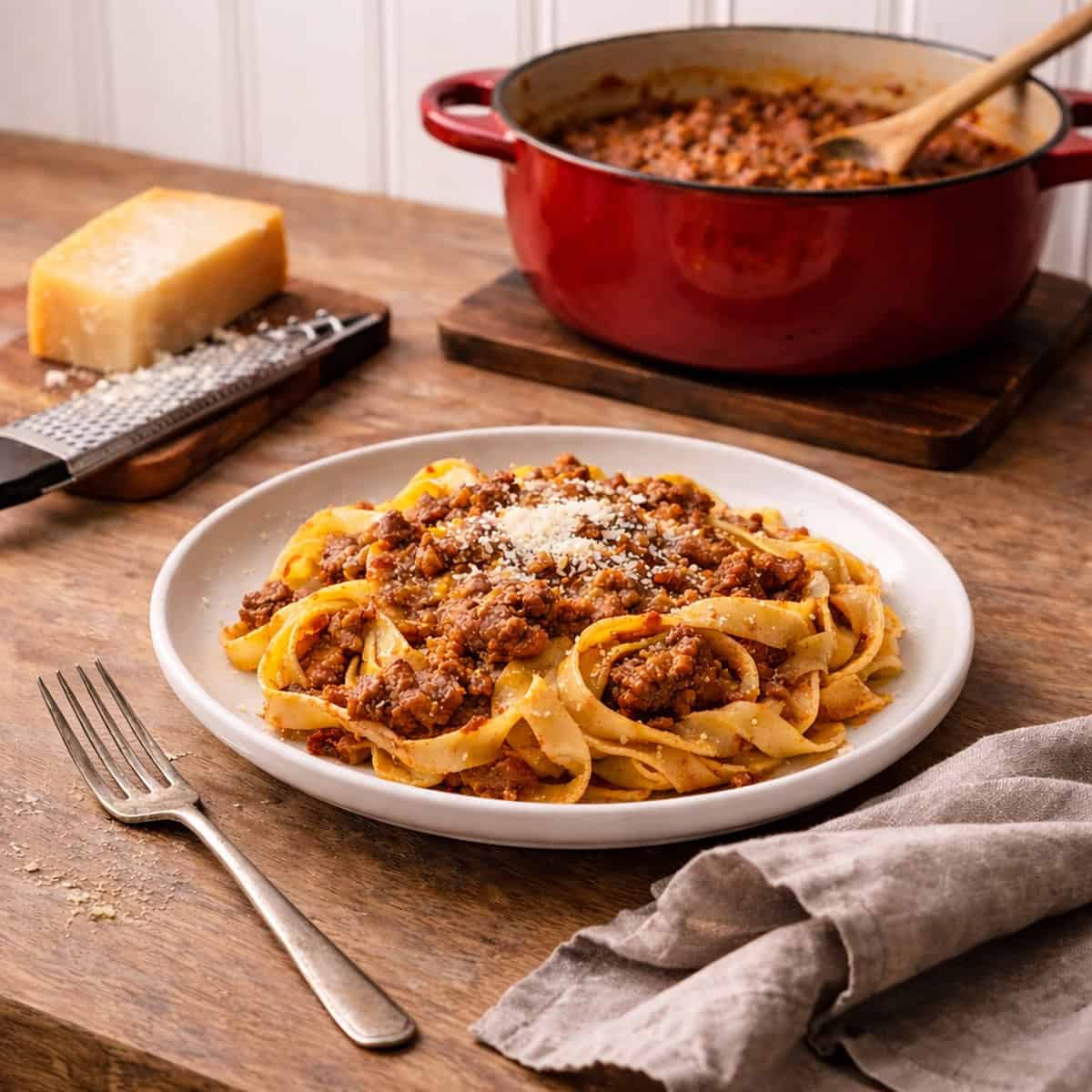
Bologna has a nickname: la grassa, the fat one. The city sits in the middle of Emilia-Romagna, the region of Parmigiano-Reggiano, prosciutto di Parma, mortadella and fresh egg pasta rolled thin by hand, and Bolognese, the slow meat ragù, is its signature sauce. The word ragù comes from the French ragoût, a slow stew, and…
-
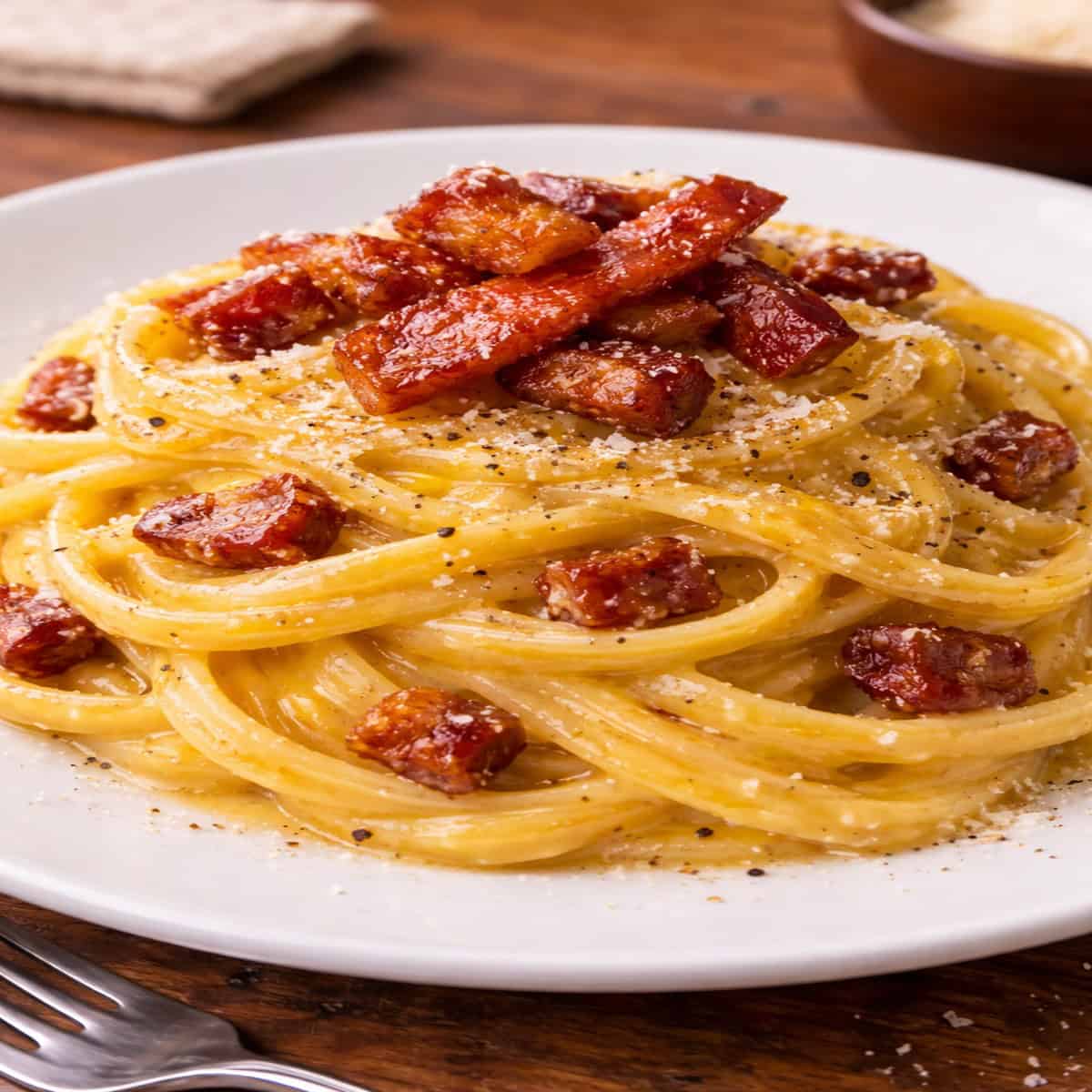
Carbonara with Fresh Pasta
Carbonara is Roman food, and Rome claims it fiercely, but its paper trail is short. The dish does not appear in print until after World War II: a 1952 Chicago restaurant guide is usually cited as the first written mention, and Italian food magazines were printing recipes by the mid-1950s. Where it began is still…
-
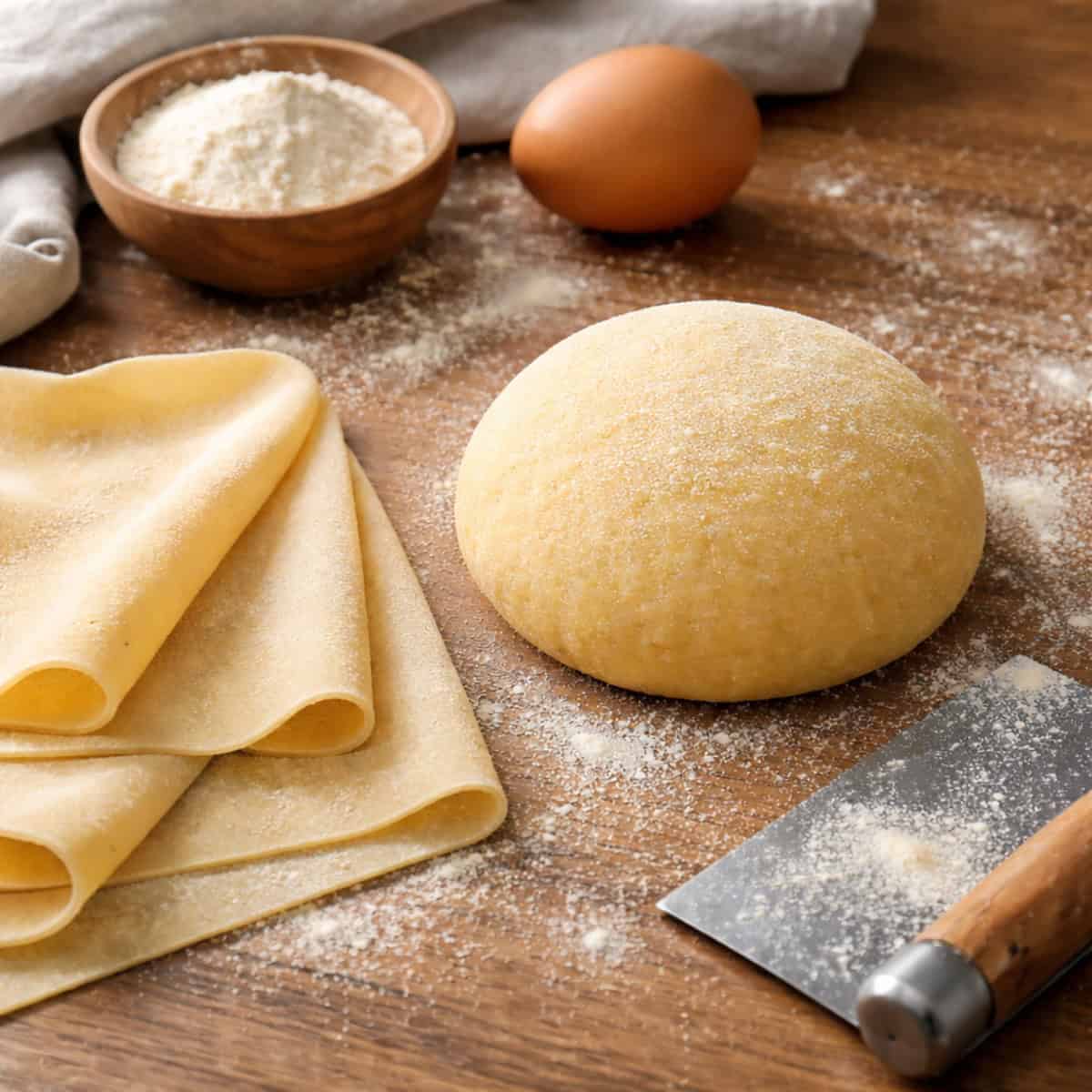
Basic Pasta Dough (By Hand or Food Processor)
Basic pasta dough, the fresh egg kind, belongs to northern Italy, above all to Emilia-Romagna. In Bologna and the towns around it, home cooks known as sfogline rolled flour and eggs into a thin golden sheet, the sfoglia, with a long wooden pin, then cut it into tagliatelle, folded it around fillings for tortellini or…
-
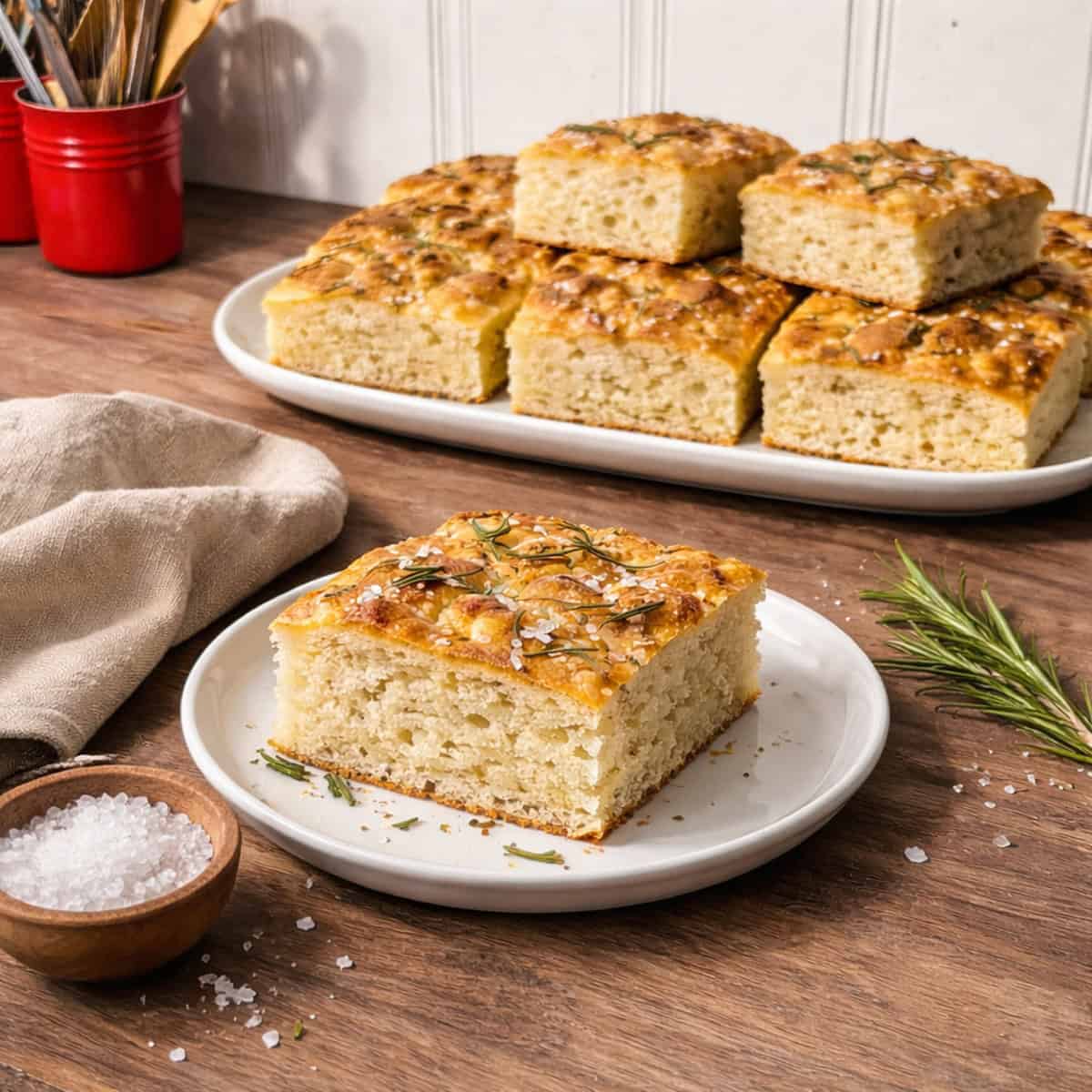
Focaccia (Same-Day Bake or Overnight Ferment)
Focaccia is one of Italy's oldest breads. Its name comes from the Latin panis focacius, bread baked on the hearth, or focus, and flat hearth breads were made across the Roman world. Today it belongs most to Liguria, on the northwest coast, where focaccia genovese is baked in wide, shallow pans, drenched in olive oil…
-
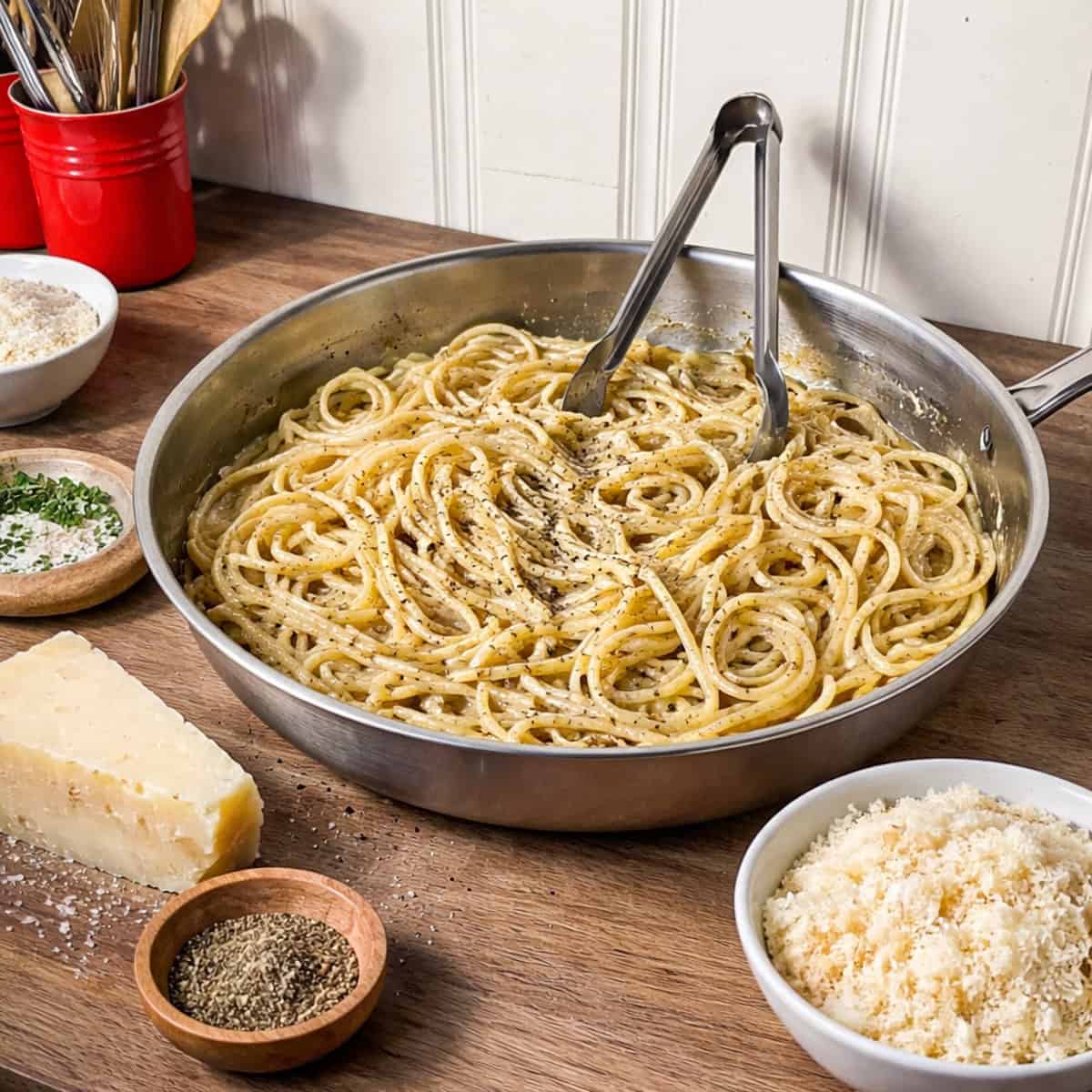
Cacio e Pepe (Roman Cheese & Pepper Pasta)
Cacio e pepe means "cheese and pepper" in Roman dialect, and in Rome that is exactly what you get: pasta, Pecorino Romano, black pepper and the starchy water the pasta cooked in. The dish is usually traced to the shepherds of the countryside around Rome, who could carry dried pasta, a hard wedge of aged…
-
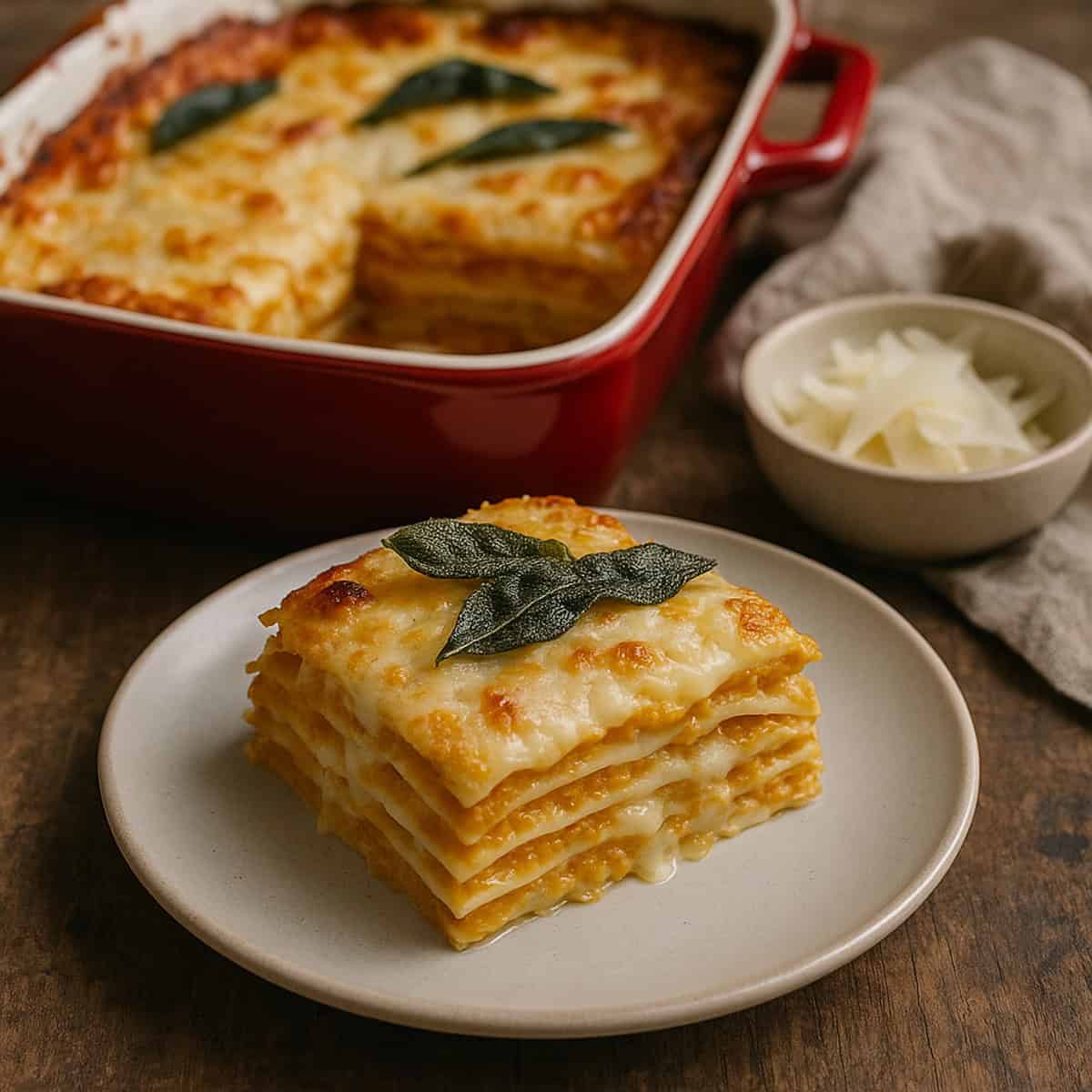
Butternut Squash Lasagna - Cozy Fall Favorite
Butternut squash lasagna sits where two traditions meet. Lasagne al forno, baked sheets of pasta layered with sauce and cheese, is the Sunday dish of Emilia-Romagna, where the classic version is made with ragù and béchamel. In the south, around Naples, cooks layer theirs with ricotta and mozzarella. Squash came to Italy from the Americas…
-
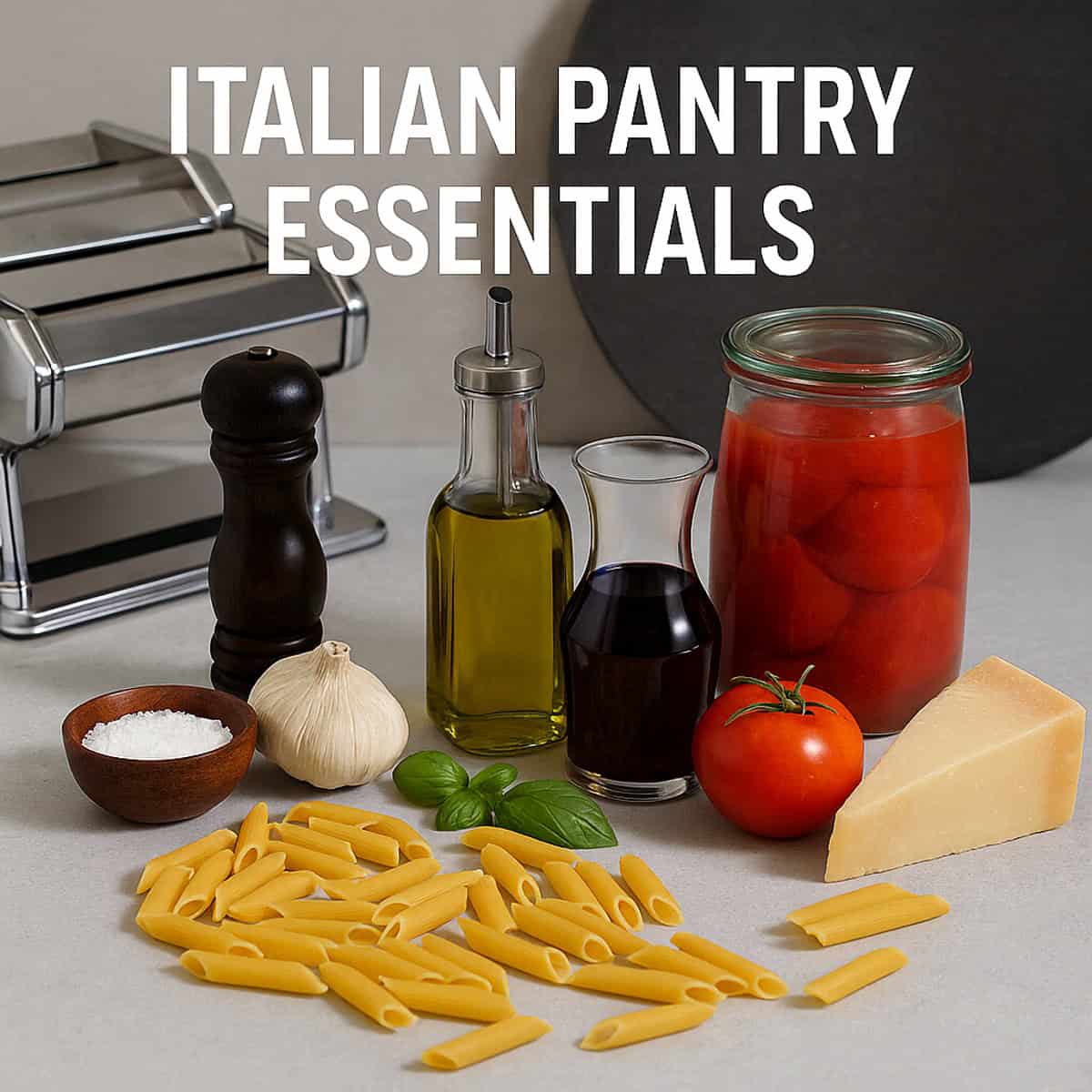
Italian Pantry Essentials: What to Stock and Why
Building Your Italian Pantry Italian cooking is rustic yet refined, and it runs on quality over quantity. Generations of Italian home cooks fed families from a short list of staples: good olive oil, canned and ripe tomatoes, pasta, Parmigiano-Reggiano and Pecorino Romano. Those few ingredients are the backbone of countless dishes. Stock them, add a…
-
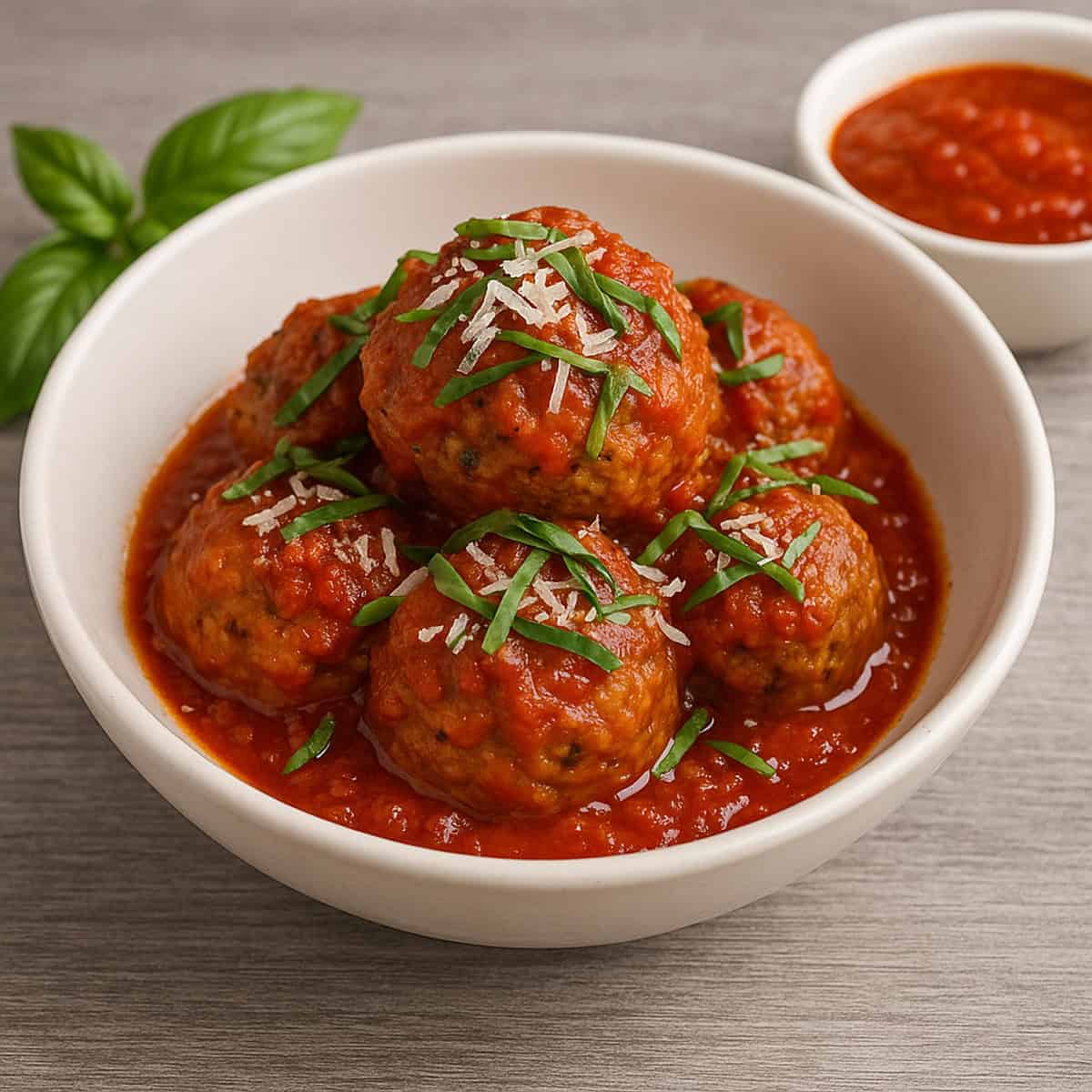
Nonna's Italian Meatballs in Classic Pomodoro Sauce
In Italy, polpette are humble food: small meatballs made to stretch a little meat with stale bread, cheese and herbs, often fried and eaten on their own or simmered in sauce as a second course. Spaghetti and meatballs on the same plate is an Italian-American creation. When southern Italian immigrants arrived in the United States…