
By Chef Samantha Tilley, executive chef at The Market CT and former chef-owner of Mockingbird Kitchen & Bar.
Long before anyone owned a griddle, the peoples of the Pacific Northwest cooked salmon over open fire. Coast Salish, Chinook and other nations split the fish, staked it on cedar or alder beside the coals, and let smoke and heat do the work. Salmon runs shaped the calendar, and many communities still mark the first catch of the season with a First Salmon Ceremony. That respect for the fish runs through West Coast style grilled salmon today: fresh herbs, bright citrus, a little caramelization, and enough heat to kiss the outside while the center stays soft and silky. No disguise. No unnecessary drama.
Salmon has a way of changing minds when it's cooked well. The trick is timing. Pull it from the heat a few minutes earlier than you think and let the residual heat finish the work. Overcook it and the fat renders out, the white protein beads on the surface, and the flesh turns chalky. Get it right and it breaks apart in soft layers instead of dry flakes.
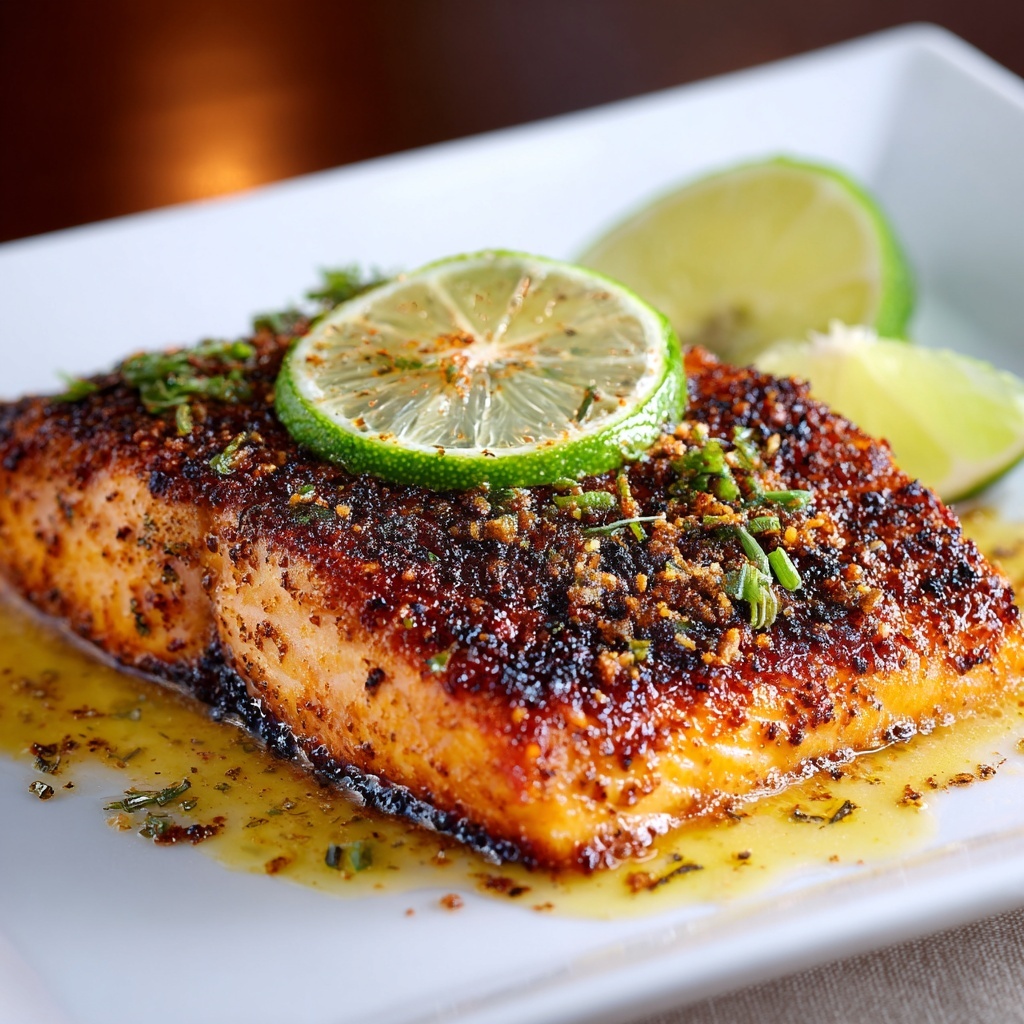
Picture a summer evening: the griddle hissing, orange and lime halves caramelizing at the edge, the smell of tarragon and citrus zest hitting the hot steel. The fillets come off glossy and rosy in the middle, a squeeze of grilled citrus goes over the top, and someone reaches for seconds before the plates are set. Sometimes the difference between I eat salmon and I love salmon is only a few minutes and a little respect.
Technique Intelligence
Technique: Grill & Open Fire · Chapter 18 · Technique School
The biggest mistake with salmon is treating it like chicken. Waiting for firm, fully opaque fish means moisture has already left. Cook to temperature, not to fear.
Dry it, then rub it
Pat the salmon dry with paper towels. Moisture prevents browning, and browning creates flavor. Rub the citrus herb mixture (orange and lime zest, tarragon, chives, parsley, avocado oil, kosher salt and pepper) over every side. Rest 10 to 15 minutes. The salt starts to season the surface and the zest perfumes the fish without overwhelming it.
Control the heat on the Blackstone
Preheat the griddle to medium, 350 to 375°F on the surface. An infrared thermometer takes the guessing out. Hotter scorches the herbs before the center warms. Cooler and the fish steams instead of browning. Lightly oil the steel. Listen for a steady sizzle, not a roar.
Flip once
Lay skin-on salmon skin-side down first; skinless goes presentation-side down. Cook 3 to 5 minutes, then flip once and cook another 3 to 5 minutes. Do not push it around. Salmon releases on its own once a crust forms. If it sticks, wait 30 seconds and try again. Use a thin fish spatula and slide, don't pry.
Pull at 125 to 130°F and rest
Check the thickest part with an instant-read thermometer. Pull at 125 to 130°F for a moist, medium center. It will climb a few more degrees as it rests for 5 minutes. For fully firm fish, the USDA guideline is 145°F; cook a little longer if that is what you prefer.
Grill the citrus
While the salmon cooks, set the orange and lime halves cut-side down on the griddle for 2 to 3 minutes. The sugars caramelize and the juice turns sweeter and rounder. Squeeze them over the rested fish, then finish with parsley and flaky salt.
Charcoal grill method
Build a two-zone fire: hot coals on one side, an empty cooler zone on the other. Oil the grates. Start the salmon over direct heat for 2 to 3 minutes to mark it, then move it to the indirect side, cover the grill, and cook until the thickest part reaches 125 to 130°F, usually 6 to 10 minutes depending on thickness. For a gentler smoke, soak a cedar plank for 30 minutes and set the fish on it over indirect heat. Direct heat creates color. Indirect heat creates control. Together they make salmon much more forgiving.
Ingredient Intelligence
Good salmon starts before the grill ever gets hot.
Choosing Salmon
Fresh salmon should smell clean and mild, never strongly fishy. It should look moist and glossy, feel firm when pressed, and have tight muscle lines without gaps. Choose thick center-cut fillets over thin tail pieces. They cook evenly and give you more room for error. Good frozen salmon, thawed overnight in the refrigerator, beats tired fresh fish every time.
Which Salmon to Buy
- King (Chinook): rich, buttery, highest fat. The most forgiving on the grill.
- Atlantic (farmed): mild and consistent. Look for BAP or ASC certification on the label.
- Coho: balanced flavor, moderate fat.
- Sockeye: deep red, stronger flavor, leaner. Pull it at the low end of the temperature range; it dries out fastest.
Orange and Lime
Each does a different job. Orange adds subtle sweetness and rounds out the richness of the fish. Lime adds sharper acidity that cuts through the natural oils. Together they brighten the fish without covering it. Zest before you halve them. Substitute: lemon for the lime, or grapefruit for the orange.
Fresh Herbs
Tarragon brings a soft anise note that loves fish. Chives add a mild onion bite, parsley adds clean green flavor. Basil and dill are good swaps. Use fresh herbs here; dried herbs scorch on the griddle and taste dusty.
Avocado Oil and Salt
Avocado oil has a high smoke point and a neutral flavor, so it holds up on hot steel. Chosen Foods is widely available. Substitute: a light olive oil or grapeseed oil. Season with Diamond Crystal kosher salt and finish with flaky salt like Maldon for crunch.
Tools
A Blackstone or any flat-top griddle, a thin fish spatula, long tongs for the citrus, and an instant-read thermometer. An infrared thermometer is a nice extra for checking the griddle surface. Cedar planks are optional for the charcoal method.
Variations
- Cast-iron skillet: no griddle? Use a large cast-iron skillet over medium heat with the same timing.
- Cedar plank: soak a plank for 30 minutes and cook the salmon on it over indirect heat on a covered grill.
- Dill and lemon: swap the tarragon for dill and the lime for lemon for a Nordic-leaning version.
- Gentle heat: add ½ teaspoon of chili flakes or a pinch of Aleppo pepper to the rub.
- Salmon bowls: flake leftover salmon over rice or greens with sliced avocado and cucumber.
Make Ahead, Storage and Freezing
Mix the herb rub up to 1 day ahead and refrigerate it in a covered container. Rub the salmon no more than 30 minutes before cooking; longer and the salt and citrus start to change the texture.
Refrigerate cooked salmon in an airtight container for up to 3 days. Eat it cold, flaked into salads, or reheat gently in a 275°F oven for 10 to 15 minutes so it doesn't dry out. Cooked salmon freezes for up to 2 months, wrapped tightly; thaw overnight in the refrigerator. It is best used flaked into salads or bowls after freezing.
What to Serve with West Coast Style Grilled Salmon
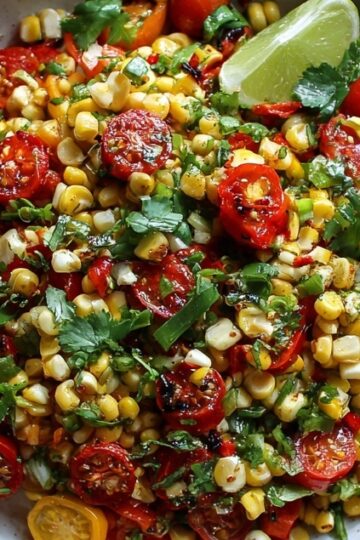
- Yucatán Corn Salad
- American Potato Salad
- Greek Tortellini Pasta Salad
- Indian Spice Bow Tie Pasta Salad
- Focaccia for rustic bread
- Strawberry Shortcake for dessert
The sides should not fight the salmon. They should feel like they arrived at the same summer table.
West Coast Style Grilled Salmon FAQ
What temperature should grilled salmon be?
Pull salmon at 125 to 130°F in the thickest part for a moist, medium center; it rises a few degrees as it rests. The USDA recommends 145°F for fully cooked fish.
How long do you cook salmon on a Blackstone?
On a griddle preheated to 350 to 375°F, cook about 3 to 5 minutes per side, flipping once, until the thickest part reaches 125 to 130°F.
Should I cook salmon skin-side down first?
Yes. Skin-on salmon goes skin-side down first; the skin protects the flesh and crisps. For skinless salmon, start presentation-side down.
How do I keep salmon from sticking?
Dry the fish, preheat the griddle fully, oil the surface, and don't move the fish until a crust forms. It releases on its own when it is ready.
Which salmon is best for grilling?
King (Chinook) is the most forgiving because of its high fat. Atlantic and coho are good everyday choices. Sockeye is leaner, so pull it at the low end of the temperature range.
Can I grill frozen salmon?
Thaw it first, overnight in the refrigerator, then pat it very dry. Grilling from frozen leaves the outside overcooked before the center is done.
West Coast Style Grilled Salmon

Equipment
- Blackstone griddle
- Long tongs
Ingredients
Salmon
- 2 pounds center-cut salmon side
- 2 tablespoon avocado oil
- 1 teaspoon kosher salt
- ½ teaspoon black pepper
Citrus Herb Rub
- Zest from 1 orange
- Zest from 1 lime
- 1 tablespoon chopped fresh tarragon
- 1 tablespoon chopped fresh chives
- 1 tablespoon chopped fresh parsley
Finish
- 1 orange halved
- 1 lime halved
- 1 tablespoon chopped parsley
- Flaky sea salt to taste
Instructions
- Dry the salmon: Pat 2 pounds center-cut salmon side dry with paper towels.
- Make the rub: Combine the zest from 1 orange, the zest from 1 lime, 1 tablespoon chopped fresh tarragon, 1 tablespoon chopped fresh chives, 1 tablespoon chopped fresh parsley, 2 tablespoons avocado oil, 1 teaspoon kosher salt, and ½ teaspoon black pepper in a mixing bowl.
- Rub the salmon: Rub the citrus herb mixture evenly over the salmon, coating all sides.
- Rest: Let the salmon rest at room temperature for 10 to 15 minutes.
- Heat the griddle: Preheat the Blackstone griddle to 350 to 375°F and lightly oil the surface if needed.
- Cook the first side: Place the salmon on the Blackstone skin-side down if skin-on, or presentation-side down if skinless, and cook for 3 to 5 minutes.
- Flip and finish: Carefully flip the salmon once and cook for another 3 to 5 minutes, until the thickest part reaches 125 to 130°F.
- Grill the citrus: Place 1 orange, halved, and 1 lime, halved, cut-side down on the Blackstone and cook for 2 to 3 minutes, until lightly caramelized.
- Rest the salmon: Remove the salmon and rest for 5 minutes.
- Squeeze the citrus: Squeeze the grilled orange and lime over the salmon.
- Finish: Finish with 1 tablespoon chopped parsley and flaky sea salt to taste.
- Check doneness: Many cooks pull salmon at 125 to 130°F for a moist center; the USDA recommends 145°F. On a charcoal grill, oil the grates well, sear 2 to 3 minutes over direct heat, then finish over indirect heat.
Notes
Thicker center-cut salmon portions cook more evenly than thin tail pieces.
Salmon continues cooking after leaving the heat, so remove it slightly early.
Optional charcoal method: Start over direct heat for 2–3 minutes and finish over indirect heat until internal temperature reaches 125–130°F. Storage: Refrigerate leftovers up to 3 days.
Made this? Leave a star rating and a comment below: did you cook it on the griddle or over charcoal? I read every comment.
Comments
No Comments