
By Chef Samantha Tilley, executive chef at The Market CT and former chef-owner of Mockingbird Kitchen & Bar.
Pulled pork comes out of the long, shared history of Southern barbecue. Spanish expeditions brought pigs to the Southeast in the 1500s, and the word "barbecue" itself is generally traced to barbacoa, a Spanish rendering of a Caribbean Indigenous word for a wooden cooking frame. In the centuries that followed, much of the skilled, all-night work at the pits of the American South was done by enslaved Black cooks, and their knowledge of fire, smoke and seasoning shaped the barbecue traditions that followed. Whole hogs over wood are still the heart of eastern North Carolina; in the Piedmont, around Lexington, pitmasters favor the shoulder. Long before backyard rigs and competition trophies, pork shoulder was cooked low and slow in enclosed heat until it collapsed under its own weight.
Pulled pork is not about smoke alone. It's about time, and collagen. Pork shoulder is tough, inexpensive, and full of connective tissue. You can't rush it. You have to wait it out. Low heat gives collagen time to melt into gelatin. Fat renders slowly. Muscle fibers relax instead of tightening. What starts out stubborn becomes generous. That transformation, not sauce, not smoke, is the point. The oven can do it just as reliably as a smoker. The smoker adds character. The oven adds control. Both are legitimate. The pork doesn't care how you get there.
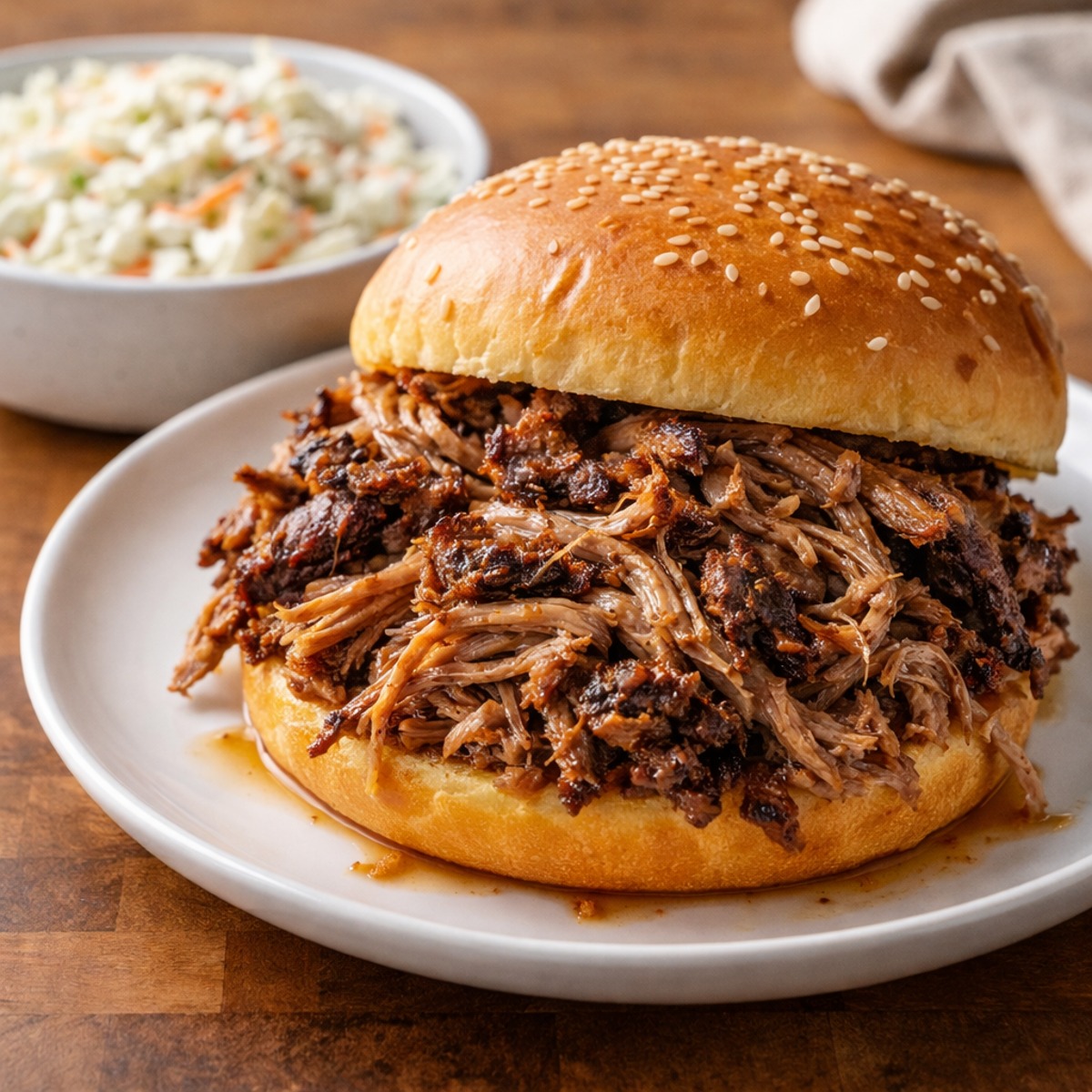
Then comes the best part. The shoulder sits on the board, glistening, and the first fork slides in with no resistance at all. Steam rises, the smell of pepper and rendered fat fills the kitchen, and the meat falls into long, juicy strands. A stack of soft buns, a bowl of sharp slaw, a jar of vinegar sauce, and everyone builds their own. It's generous food. Let it stay that way.
Technique Intelligence
Technique: Grill & Open Fire · Chapter 18 · Technique School
Collagen Conversion, Not Temperature Chasing
Pulled pork is finished by feel, not numbers. Internal temperature matters only as a guide. Pork is safe to eat at 145°F, but a shoulder at 145°F is tough and chewy. For pulling, it needs to reach about 195 to 203°F. What you're really waiting for is the moment when the meat offers no resistance and pulls apart without force. A probe should slide in like it's going into soft butter. That happens when collagen has fully converted, usually after hours of steady, moderate heat.
Whether you use an oven or a smoker, the rules are the same: low temperature, long cooking time, rest before pulling. Everything else is preference. A good probe thermometer takes the guesswork out; see this guide to meat thermometers for home cooks.
Oven Method: Covered, Then Uncovered
The oven version is steady and predictable. Roast at 300°F, covered tightly with foil or a lid for 4 to 5 hours, then uncovered for another 2 to 3 hours. Wrapped tightly, the pork cooks in its own rendered fat and juices, protected from drying out. Uncovering at the end lets the surface brown and turn sticky and savory. You trade smoke for consistency. What you get back is moisture, repeatability, and freedom from weather. This method shines when you're cooking for a crowd, when time matters more than theater, and when you want dependable results. It also reheats beautifully.
Smoker Method: Bark, the Stall and the Wrap
The smoker adds another layer: wood smoke, bark, and a deeper exterior flavor. Run it at 250°F and put the pork on fat-side up. This version rewards attention. Fire management matters. So does restraint. Too much smoke overwhelms pork's natural sweetness. Look for thin, almost invisible blue smoke, not thick white billows. Too much heat dries the surface before the inside is ready.
Somewhere in the middle of the cook, the temperature will stop climbing and sit still for hours. That's the stall: moisture evaporating from the surface cools the meat. Don't crank the heat. Wait. Once the bark is set, dark, and crusty, and the pork is around 165°F (usually 6 to 8 hours in), wrap it tightly in foil or butcher paper and return it to the smoker for another 2 to 3 hours, until it reaches 195 to 203°F and probes tender. Foil pushes through faster but softens the bark. Butcher paper breathes, so the bark stays firmer. Done right, smoked pulled pork tastes unmistakably itself: rich, savory, and patient.
Choosing a Smoker
You don't need the "best" smoker. You need the right kind of control for how you cook.
- Pellet smokers (best for most home cooks): if you want consistent results without babysitting a fire, this is the smart choice. Recommended: Traeger Pro 575 or Pro 780 for reliable temperature control and straightforward operation; Camp Chef Woodwind Pro for excellent heat stability and easy ash cleanout; Recteq RT-590 or RT-700 for a rock-solid build and very accurate controllers. Pellet smokers produce a clean, balanced smoke that works especially well with pork shoulder. Less drama, more repeatability.
- Kamado-style cookers (precision and versatility): these excel at holding low temperatures for long periods and double as grills and ovens. Recommended: Big Green Egg Large and Kamado Joe Classic II. They reward careful setup and produce excellent bark with moderate smoke. Smaller cooking surface, but exceptional control.
- Offset smokers (maximum flavor, maximum attention): offsets deliver the deepest smoke profile, but they demand time and focus. Recommended: Oklahoma Joe Highland (entry-level, needs tuning) and Workhorse Pits 1969 (serious investment, serious results). Choose this path if tending fire is part of the pleasure. It's not forgiving, but it's honest.
For more on fire and smoke, see the Grilling and Barbecue guide.
Rest, Then Pull
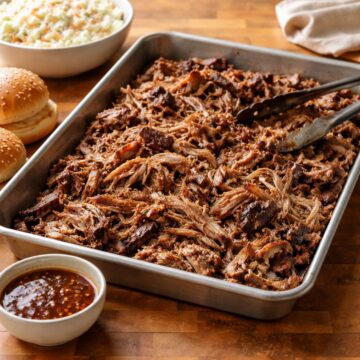
Rest the pork 45 minutes before pulling. Don't skip it. The juices settle back into the meat instead of running across the board. Save every drop of the pan or wrap juices. Pull into large strands with two forks or heat-safe gloved hands, and pull gently; you want strands, not paste. Fold the reserved juices back in, and the meat turns glossy and rich. No gadgets required. Patience is the tool that matters.
What Can Go Wrong
- Dry pork: cooked too hot or pulled before it was ready.
- Tough texture: not enough time. The collagen hadn't finished breaking down.
- Mushy meat: overcooked and aggressively handled. Pull gently.
Pulled pork doesn't fail suddenly. It fails when patience runs out.
Ingredient Intelligence
Pork Shoulder (Boston Butt)
Buy Boston butt. It's the upper part of the shoulder, well marbled and built for long cooking. An 8 to 10 pound piece feeds a crowd. Bone-in or boneless both work; bone-in holds its shape better, and when the bone slides out clean, you know it's ready. Leave the fat cap on. It bastes the meat as it renders. The lower shoulder, sold as picnic shoulder, works too, but it has more skin and trimming. Expect the pork to lose a good share of its raw weight, often around a third or more, to rendered fat and moisture.
Salt and the Optional Rub
Kosher salt and black pepper are the base. Use Diamond Crystal kosher salt; if you only have Morton, which is denser, use a little less. The optional rub of brown sugar, smoked paprika, garlic powder, onion powder, cumin and a pinch of cayenne builds a sweet, smoky, brick-red crust. McCormick smoked paprika is easy to find and reliable. Pat the pork dry before seasoning so the rub sticks.
Wood
Apple, hickory, or a mild fruitwood blend. Apple is gentle and sweet; hickory is bolder and more classic. Skip mesquite on a long cook; it turns harsh. Weber and B&B both sell good wood chunks, and Traeger and Lumberjack make reliable pellets.
Vinegar Barbecue Sauce
Pulled pork doesn't need sauce to be edible. It needs moisture and restraint. That said, a good sauce gives you contrast: acidity to cut fat, sweetness to round smoke, heat to keep things from going flat. A thin, vinegar-forward sauce works with both oven and smoker methods without masking the meat; with its touch of ketchup, this one sits close in spirit to Piedmont-style "dip." Bragg apple cider vinegar, Heinz ketchup and French's yellow mustard are all solid picks. Add sauce after pulling, and only to taste. It should coat lightly, not pool.
Foil, Butcher Paper and Buns
Use heavy-duty foil, such as Reynolds Wrap Heavy Duty, for a tight seal in the oven. For the smoker, use unwaxed pink (peach) butcher paper, not freezer paper, which has a plastic coating. For buns, Martin's Potato Rolls are soft enough to soak up juice without falling apart.
Variations
- Eastern North Carolina-style: leave out the ketchup and season the pork with a thin sauce of cider vinegar, red pepper flakes, salt and pepper. Pile slaw right on the sandwich.
- South Carolina mustard sauce: build the sauce on yellow mustard with vinegar and a little brown sugar for a tangy, golden finish.
- Sweet and smoky: serve a thicker tomato-based sauce on the side for those who like it sweet.
- Crisped pulled pork: spread pulled pork on a sheet pan or in a hot skillet until the edges crackle, in the spirit of carnitas.
- Leftovers: tacos, nachos, baked potatoes, or fried rice. Pulled pork is generous that way.
Make Ahead, Storage and Freezing
Make ahead: pulled pork improves after resting. Cook it a day ahead, pull it, and refrigerate it in its juices. The vinegar sauce can be made ahead too; refrigerate it in a jar for up to 2 weeks.
Storage: refrigerate pulled pork in its juices up to 4 days. Get it into the fridge within 2 hours of cooking.
Freezing: freeze well-wrapped portions up to 3 months. Freeze some juices in with each portion, and thaw overnight in the refrigerator.
Reheating: reheat gently with reserved fat or cooking liquid, covered, in a 300°F oven or a covered pan on the stove, until steaming hot and 165°F in the center. Dry reheating ruins good work.
What to Serve with Pulled Pork
Pulled pork belongs with contrast:
- Soft rolls or buns
- Vinegar-based slaw, on the side or right on the sandwich
- Baked Mac and Cheese
- Old Fashioned Southern Cornbread
- American Potato Salad
- Pickles, mustard, hot sauce
Feeding a bigger crowd? Round out the spread with Classic BBQ Chicken or St. Louis Ribs. To drink, cold beer, sweet tea, or a fruity, chilled red like Beaujolais all stand up to smoke and vinegar.
Pulled Pork FAQ
What internal temperature is pulled pork done?
Pork is safe at 145°F, but pork shoulder needs to reach about 195 to 203°F before it is tender enough to pull. The best test is feel: a probe or fork should slide in with almost no resistance.
How long does pulled pork take in the oven?
An 8 to 10 pound pork shoulder takes about 6 to 8 hours at 300°F: 4 to 5 hours covered, then 2 to 3 hours uncovered. Add a 45-minute rest before pulling.
How long does it take to smoke a pork shoulder at 250°F?
Plan on about 8 to 11 hours for an 8 to 10 pound shoulder: 6 to 8 hours unwrapped until it reaches about 165°F, then 2 to 3 hours wrapped until it reaches 195 to 203°F. Then rest it 45 minutes.
What is the stall when smoking pork?
The stall is a period, often hours long, when the internal temperature stops rising. Moisture evaporating from the surface cools the meat. Wrapping the pork in foil or butcher paper helps push through it.
Should I wrap pork shoulder in foil or butcher paper?
Both work. Foil holds in more moisture and cooks faster, but softens the bark. Butcher paper lets some steam escape, so the bark stays firmer. Use unwaxed butcher paper, not freezer paper.
Is bone-in or boneless pork shoulder better for pulled pork?
Both make excellent pulled pork. Bone-in holds its shape and the bone slides out cleanly when the meat is done. Boneless is easier to season evenly and may cook a little faster.
How do you keep pulled pork from drying out when reheating?
Store it in its juices and reheat it covered with some of those juices or a splash of broth, in a 300°F oven or a covered pan, until it reaches 165°F.
Pulled Pork (Oven or Smoker)

Equipment
- Roasting pan or Dutch oven (oven method)
- Smoker (smoker method)
- Foil (0ven method)
- Thermometer
- butcher paper (smoker method)
Ingredients
Pork
- 1 bone-in pork shoulder (Boston butt) 8 to 10 lb
- 2½ teaspoon kosher salt
- 2 teaspoon black pepper
Optional Dry Rub (Both Methods)
- 2 tablespoon brown sugar
- 2 teaspoon smoked paprika
- 2 teaspoon garlic powder
- 1 teaspoon onion powder
- 1 teaspoon ground cumin
- ½ teaspoon cayenne optional
Simple Vinegar Barbecue Sauce
- ¾ cup apple cider vinegar
- ¼ cup ketchup
- 2 tablespoon brown sugar
- 1 tablespoon yellow mustard
- 1 teaspoon kosher salt
- ½ teaspoon black pepper
- ½ teaspoon chili flakes optional
Instructions
Oven method
- Preheat the oven: Preheat the oven to 300°F.
- Season: Pat the 8 to 10 pound pork shoulder dry and season evenly with 2½ teaspoons kosher salt, 2 teaspoons black pepper and the optional dry rub (2 tablespoons brown sugar, 2 teaspoons smoked paprika, 2 teaspoons garlic powder, 1 teaspoon onion powder, 1 teaspoon ground cumin and ½ teaspoon cayenne, if using).
- Cover: Place the pork in a roasting pan or Dutch oven. Cover tightly with foil or a lid.
- Roast covered: Cook for 4 to 5 hours, until the pork is very tender.
- Roast uncovered: Uncover and continue cooking 2 to 3 hours, until the pork reaches 195 to 203°F and the meat pulls apart easily.
- Rest: Remove from the oven and rest 45 minutes before pulling. Pour off and save the juices from the pan for moistening the pulled pork.
Smoker method
- Preheat the smoker: Preheat the smoker to 250°F using apple, hickory or a mild fruitwood blend.
- Season: Season the 8 to 10 pound pork shoulder evenly with 2½ teaspoons kosher salt, 2 teaspoons black pepper and the optional dry rub (2 tablespoons brown sugar, 2 teaspoons smoked paprika, 2 teaspoons garlic powder, 1 teaspoon onion powder, 1 teaspoon ground cumin and ½ teaspoon cayenne, if using).
- Load the smoker: Place the pork fat-side up on the smoker grates.
- Smoke: Smoke for 6 to 8 hours, until a bark forms and the internal temperature reaches about 165°F.
- Wrap: Wrap tightly in foil or butcher paper and return to the smoker.
- Finish cooking: Continue cooking 2 to 3 hours, until the pork reaches 195 to 203°F and probes tender.
- Rest: Rest the wrapped pork 45 minutes before pulling. Unwrap over a pan and save the juices for moistening the pulled pork.
Vinegar barbecue sauce
- Combine: Combine ¾ cup apple cider vinegar, ¼ cup ketchup, 2 tablespoons brown sugar, 1 tablespoon yellow mustard, 1 teaspoon kosher salt, ½ teaspoon black pepper and ½ teaspoon chili flakes, if using, in a saucepan.
- Simmer: Simmer gently 10 to 15 minutes, stirring occasionally.
- Cool: Cool slightly before using, about 10 minutes.
Pulling and finishing
- Pull: Pull the pork into large strands using forks or gloved hands.
- Moisten: Moisten with the reserved cooking juices.
- Sauce: Add the barbecue sauce gradually, tossing gently and tasting as you go.
Notes
Made this? Leave a star rating and a comment below: oven or smoker, which way did you go? I read every comment.


Comments
No Comments