
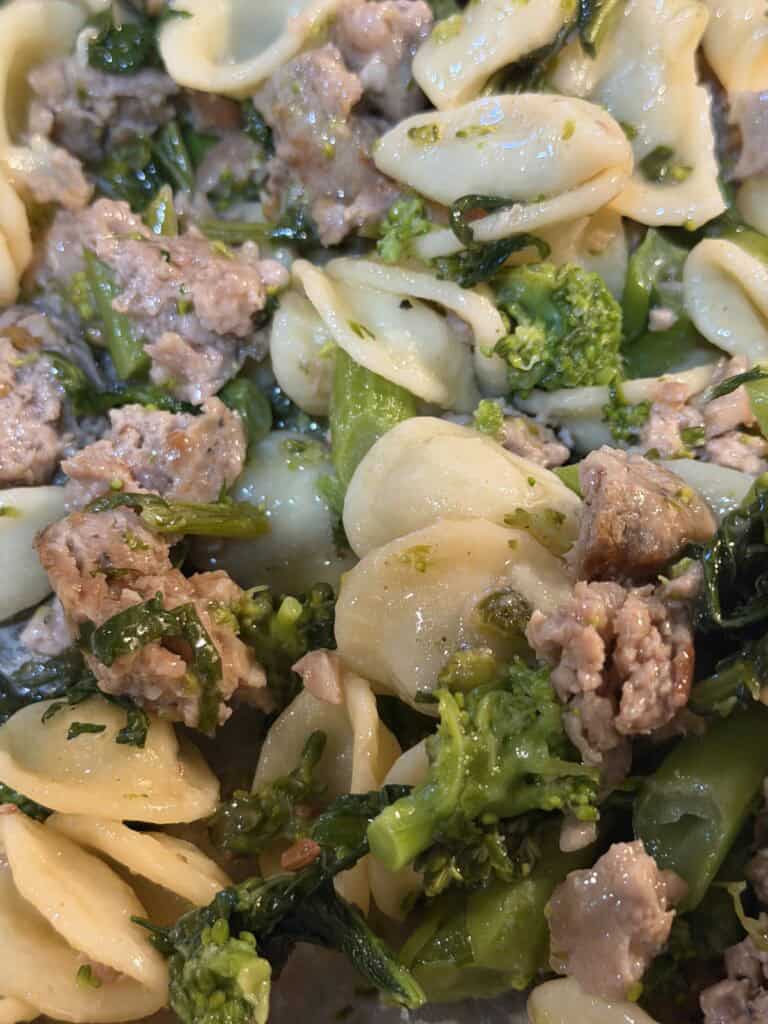
Southern Italian food was never built around expensive ingredients.
A pot of water steaming on the stove. Someone breaking sausage into a pan while another person tears bread at the table. Voices carrying from somewhere else in the house. Olive oil, garlic, and chili slowly finding their way through the kitchen long before anyone sits down to eat.
Orecchiette has lived in kitchens across Puglia for generations — small hand-shaped pasta made to catch the things that matter: sausage, olive oil, bitter greens, cheese, and all the little flavors that settle into the bottom of the pan.
But somewhere between the garlic, the pasta water, and everyone reaching for another spoonful before dinner even makes it to the table, something larger happens.
Technique Intelligence
Great pasta starts before anything reaches the pan.
Season the pasta water
Pasta absorbs water while it cooks, making the cooking liquid your first opportunity to build flavor. Season the water generously. If the water tastes flat, the pasta tastes flat.
Cook the pasta for the final destination
Cook orecchiette until al dente. The pasta will finish cooking in the pan with the sausage, rapini, cheese, and pasta water.
You want:
- Slight bite remaining
- Tender center
- Structure maintained
Respect the rapini
Drop it into the pasta water during the final 2–3 minutes of cooking. This softens the aggressive bitterness while keeping its personality intact.
You want:
- Tender stems
- Bright green color
- Slight bitterness remaining
Reserve the pasta water
Before draining, reserve at least 1 cup of pasta water. This is where the dish comes together. The starch in the water binds sausage drippings, olive oil, garlic, cheese, and chili into a silky sauce that coats the pasta. Without it, the ingredients stay separate. With it, they become one dish.
Finish in the pan
Do not place pasta into a bowl and spoon ingredients over the top. Transfer the pasta directly into the pan with the sausage and rapini. Add small amounts of pasta water while tossing continuously. Finish with grated Pecorino Romano.
Ingredient Intelligence
There are ingredients that support a dish, and there are ingredients that quietly become the personality of the dish itself.
Orecchiette
Orecchiette means little ears, and once you hold a handful of them, the name feels obvious.
These small cups were built for dishes exactly like this. They catch sausage crumbles, garlic, olive oil, chili flakes, and grated cheese so the good parts never disappear.
Italian Sausage
As sausage cooks, fennel softens, garlic opens up, and the rendered fat slowly begins carrying flavor through the pan.
Broccoli Rabe (Cime di Rapa)
Broccoli rabe has always belonged here.
Despite the name, it isn't actually broccoli. It behaves more like a leafy green with slender stems and small florets. It brings gentle bitterness that balances rich sausage and salty cheese.
Variations
- Broccolini Softer and sweeter with less bitterness.
- Traditional broccoli florets More familiar and milder with a sweeter flavor.
Pecorino Romano
Pecorino has a little personality. Saltier than Parmesan. Sharper. Slightly assertive in the best possible way.
What to Serve with Classic Orecchiette con Salsiccia e Cime di Rapa
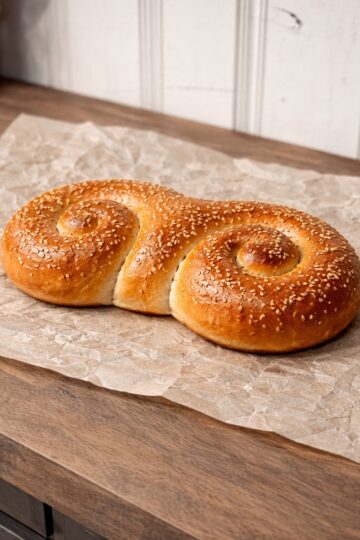
- Rustic Italian bread
- Caesar salad
- Roasted garlic green beans
- Olive oil cake
- Simple red wine
Classic Orecchiette con Salsiccia e Cime di Rapa

Equipment
- Large pasta pot
- Large sauté pan or Dutch oven
- Colander
- Tongs
- Measuring cups
- Microplane or cheese grater
Ingredients
Pasta
- 1 pound orecchiette pasta
- 1 tablespoon kosher salt for pasta water
Main Components
- 1½ pounds Italian sausage sweet or hot, casings removed
- 2 bunches broccoli rabe rapini, trimmed and roughly chopped
- 4 garlic cloves thinly sliced
- ¼ cup olive oil
- ½ teaspoon red pepper flakes
- ¾ cup grated Pecorino Romano cheese
- 1 teaspoon kosher salt
- ½ teaspoon black pepper
Finish
- Extra Pecorino Romano
- Extra virgin olive oil for finishing
- Red pepper flakes optional
Instructions
Instructions
- Bring a large pot of water to a boil and season with 1 tablespoon kosher salt.
- Cook 1 pound orecchiette pasta according to package directions until al dente, approximately 10–12 minutes.
- During the final 2–3 minutes of cooking, add 2 bunches chopped broccoli rabe to the pasta water.
- Reserve 1 cup pasta water, then drain the pasta and broccoli rabe together.
- Heat ¼ cup olive oil in a large sauté pan over medium heat.
- Add 1½ pounds Italian sausage and cook for 6–8 minutes, breaking it into small pieces until browned and cooked through.
- Add 4 sliced garlic cloves and ½ teaspoon red pepper flakes and cook for 30 seconds, stirring constantly until fragrant.
- Add the drained orecchiette and broccoli rabe directly to the sausage mixture.
- Add ½ cup reserved pasta water, 1 teaspoon kosher salt, and ½ teaspoon black pepper, tossing continuously over medium heat.
- Add ¾ cup grated Pecorino Romano cheese and continue tossing until the cheese melts and forms a light sauce around the pasta.
- Add additional pasta water as needed, 1–2 tablespoons at a time, until the pasta becomes glossy and lightly coated.
- Finish with additional Pecorino Romano, a drizzle of extra virgin olive oil, and optional red pepper flakes.
Notes
Do not rinse the pasta after draining.
Pasta water is essential for creating the sauce.
Broccoli rabe should still retain slight bitterness and texture.
Traditional versions often use hot sausage, though sweet fennel sausage works beautifully.
Comments
No Comments