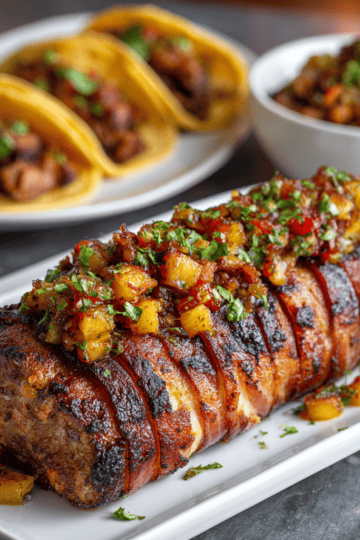
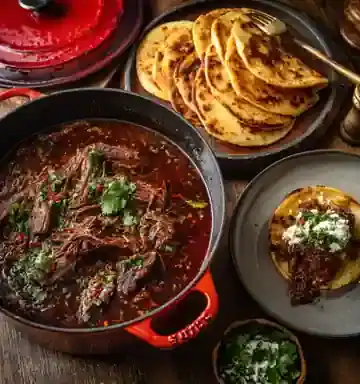
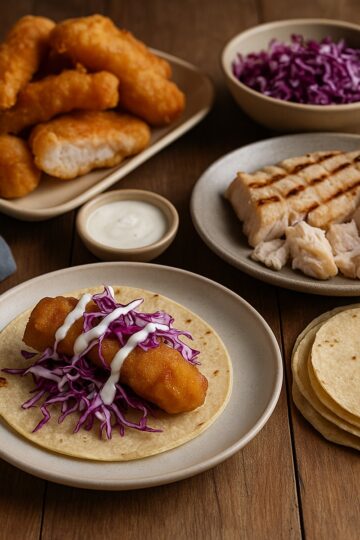
Mexico at a Glance
Flavor profile: Bright • Smoky • Earthy • Fresh • Layered
Primary fats: Lard, avocado oil, vegetable oil
Heat level: Mild to very hot
Signature ingredients: Corn, chiles, tomatoes, beans, lime, cilantro, avocado
Texture focus: Soft vs crisp contrast, char, creaminess, crunch
Cooking style: Fire cooking, layered sauces, slow braising, fresh finishing elements
Corn, Fire, and the Logic of Tradition
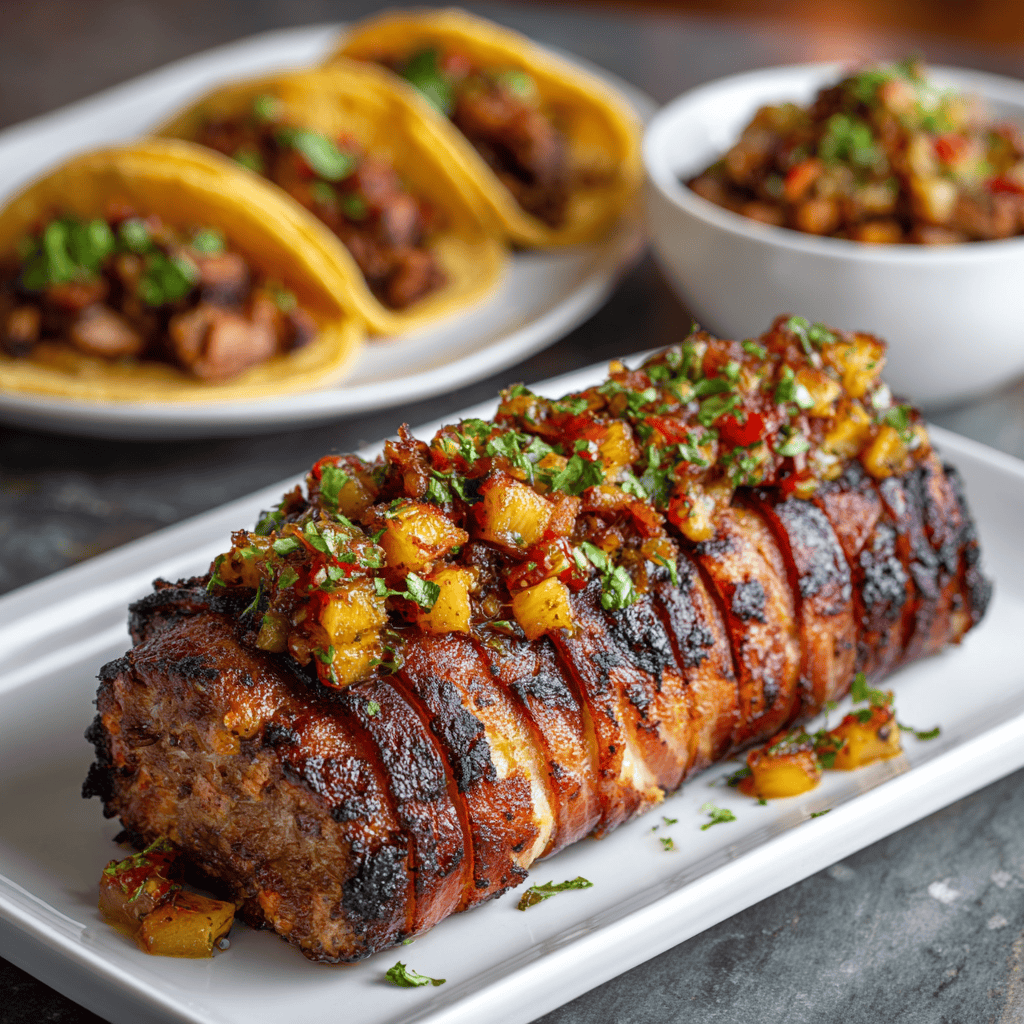
Mexican food isn't built on heat alone, but on the patient layering of ingredients that transform simple staples into deeply satisfying meals shared around the table.
Hands passing warm tortillas over a rustic table filled with grilled meats, bowls of salsa, charred vegetables, and fresh lime wedges during an outdoor meal
Mexican cooking can appear bold and complex, but its real strength comes from building flavor one step at a time. Toasting dried chiles, charring vegetables, simmering sauces, pressing tortillas, and balancing acidity are often more important than long ingredient lists.
Flavors change dramatically by region, yet the guiding idea remains constant: build depth, respect the ingredient, and let balance lead the dish.
The Core Idea
Mexican cooking is built on three principles:
Quality ingredients
Flavor built in layers
Balance through contrast
Master those, and you can cook most Mexican dishes without relying heavily on recipes.
Why Mexican Food Tastes So Distinct
Unlike cuisines that build around a single dominant flavor, Mexican cooking aims for contrast and depth.
Heat alone is never the goal.
Rich meats are balanced with acidity. Creamy ingredients meet fresh herbs and citrus. Slow-cooked elements are finished with bright toppings. Toasting, charring, roasting, and simmering build complexity long before the food reaches the plate.
More spice does not automatically mean better flavor.
How Mexican Meals Are Structured
Traditional meals often build around shared dishes and complementary textures rather than strict individual plating.
Botanas → Sopa → Plato Fuerte → Acompañamientos → Postre
At home these are commonly simplified, but understanding the structure helps explain why Mexican meals often feel varied and layered.
North to South: A Gradual Shift
Mexican cuisine changes according to geography, climate, and indigenous traditions.
Northern Mexico
Grilled meats, flour tortillas, beef, wheat, fire cooking
Central Mexico
Street foods, sauces, corn traditions, markets, braises
Southern Mexico
Moles, tropical ingredients, stronger chile influence, indigenous techniques
Coastal Regions
Seafood, citrus, coconut, bright fresh flavors
Think of it as a spectrum rather than a single style of cooking.
Core Techniques You'll See Everywhere
Mexican cooking depends heavily on flavor development before final assembly.
• Toasting dried chiles and spices
• Charring vegetables over high heat
• Simmering sauces until integrated
• Slow braising tougher proteins
• Pressing and cooking tortillas
• Finishing with fresh herbs, citrus, crema, or salsa
The Mexican Pantry in One Sentence
A handful of foundational ingredients used in endless combinations.
Corn, dried and fresh chiles, tomatoes, onions, garlic, beans, herbs, citrus, spices, and fresh cheeses form the backbone of many dishes.
Restaurant Mexican vs Everyday Mexican
Restaurant versions often emphasize larger portions, melted cheese, and heavier sauces. Everyday cooking tends to focus more on simplicity, fresh components, and practical meals built around tortillas, rice, beans, and seasonal ingredients.
If a dish feels overwhelmingly heavy, it often reflects restaurant adaptation rather than everyday home cooking.
Why Layering Matters So Much
Mexican recipes can seem complicated because many flavors are built before the final dish comes together:
Chiles are toasted before blending
Vegetables are often charred before cooking
Sauces develop slowly through simmering
Acid and herbs are often added at the end
Texture contrast is built intentionally
The difference between good Mexican food and great Mexican food usually isn't more ingredients.
It's knowing when each ingredient belongs in the process.