China at a Glance
Flavor profile: Layered • Balanced • Aromatic • Texture-driven
Primary fats: Peanut oil, lard, sesame oil, neutral oils
Heat level: Mild to extremely hot depending on region
Signature ingredients: Soy sauce, rice, noodles, ginger, garlic, scallions, vinegar
Texture focus: Contrast and balance
Cooking style: High heat, sequencing, rapid execution
Flavors, Ingredients & Cooking Traditions
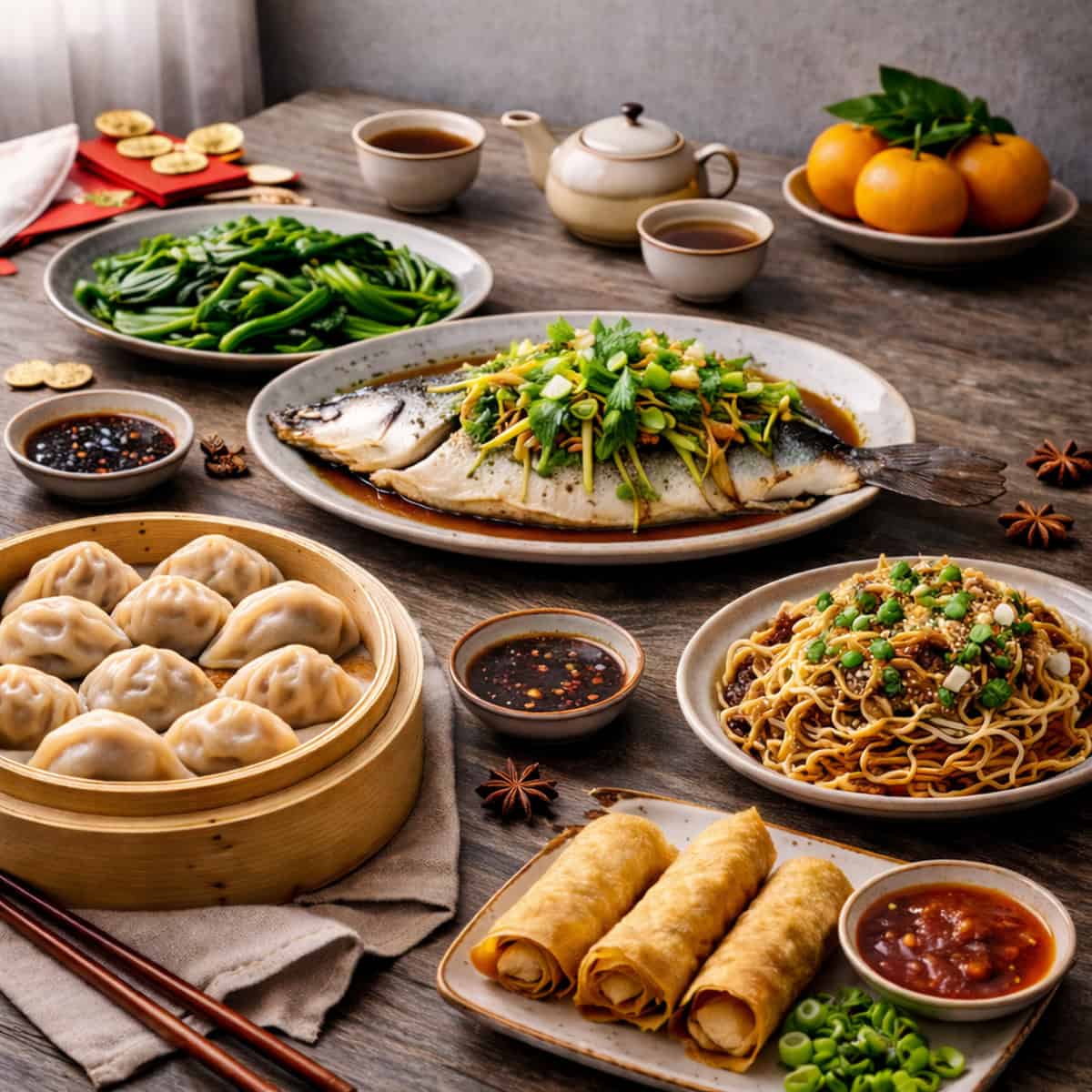
Chinese food is not one cuisine, but a vast collection of regional traditions shaped by geography, migration, trade, climate, preservation, and the constant pursuit of balance.
The real sophistication is not complexity for its own sake. It is control.
Control of heat.
Control of texture.
Control of timing.
Control of balance.
The Core Idea
Chinese cooking is built on balance.
Not only sweet, sour, salty, bitter, spicy, and umami — but balance between:
- texture
- temperature
- richness
- freshness
- color
- aroma
- cooking method
A proper Chinese meal should feel dynamic rather than heavy.
That’s why many meals include:
- crisp vegetables beside braised meats
- clear soups beside fried foods
- vinegar against richness
- fresh herbs against slow-cooked sauces
Every component has a job.
Why Chinese Food Tastes So Distinct
Chinese cooking layers flavor in stages.
Aromatics hit oil first. Sauces are balanced before they enter the wok. Vinegar is often added late for brightness. Sesame oil may finish a dish rather than cook in it. Texture is treated as seriously as flavor.
This is why properly cooked Chinese food feels vivid instead of muddy.
Bad Chinese food tastes flat, greasy, or oversauced.
Good Chinese food tastes structured.
How Chinese Meals Are Structured
Traditional Chinese meals are designed for sharing.
Rather than individual composed plates, multiple dishes arrive together and balance each other across the table.
A meal may include:
- rice or noodles
- vegetables
- seafood or meat
- soup
- pickles or cold dishes
- tea
The goal is harmony across the entire table, not dominance from one dish.
Meals are often communal, fast-moving, and highly social.
Food is passed constantly.
Conversation overlaps.
Tea is refilled without asking.
Nobody waits politely for courses.
The table itself is part of the experience.
Regional Chinese Cooking
Chinese cuisine changes dramatically by geography, climate, and local agriculture.
Sichuan
Mapo Tofu, Kung Pao Chicken, Dan Dan Noodles
Cantonese
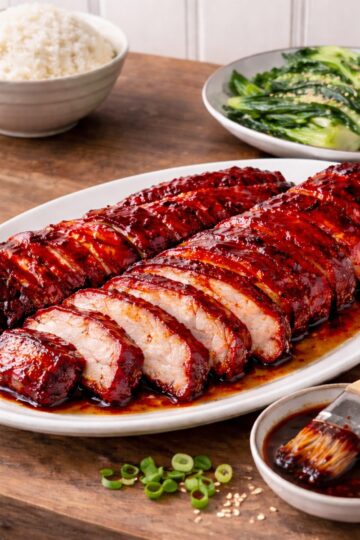
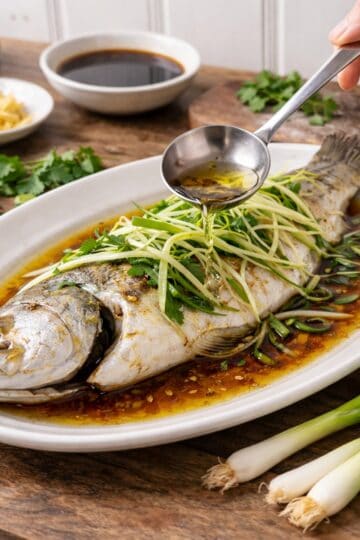
Char Siu, Roast Duck, Steamed Whole Fish
Northern Chinese
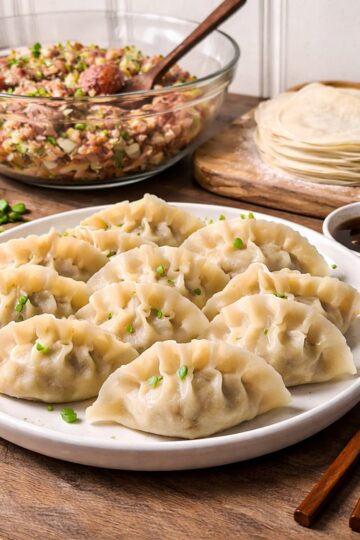
Peeking Duck, Jiaozi, Scallion Bread
Shanghai & Jiangnan
Xiaolongbao, Sheng Jian Bao, Drunken Chicken, Lion's Head Meatballs
Hunan
Hong Shao Rou, Dong'an Chicken, Smoked Pork with Dried Long Beans, Hunan Beef with Peppers
Fujian
Buddha Jumps Over the Wall , Lychee Pork, Red Wine Lees Chicken
Think of “Chinese food” less as a single cuisine and more like an entire continent of cooking traditions.
Core Techniques You’ll See Everywhere
Chinese cooking depends heavily on heat management and sequencing.
• Stir-frying over high heat
• Steaming for purity and texture
• Red-braising with soy sauce and aromatics
• Velveting proteins for tenderness
• Deep frying for crispness
• Knife work for even cooking
• Quick blanching and shocking
• Fermentation and preservation
Technique matters because many dishes cook extremely quickly.
In wok cooking, hesitation becomes overcooking almost immediately.
The Chinese Pantry in One Sentence
A deeply layered pantry built around fermentation, aromatics, preserved ingredients, sauces, rice, noodles, and controlled seasoning.
Common essentials include:
- light soy sauce
- dark soy sauce
- black vinegar
- oyster sauce
- Shaoxing wine
- sesame oil
- dried chilies
- Sichuan peppercorns
- ginger
- garlic
- scallions
- rice
- noodles
- tofu
A handful of pantry ingredients can create thousands of combinations. Cheack out our Amazon Store Chinese Pantry
Restaurant Chinese vs. Everyday Chinese
American restaurant Chinese food often emphasizes:
- sweetness
- deep frying
- thick sauces
- oversized portions
Traditional home cooking is usually lighter, faster, more vegetable-forward, and more balanced.
A weeknight Chinese meal at home might include:
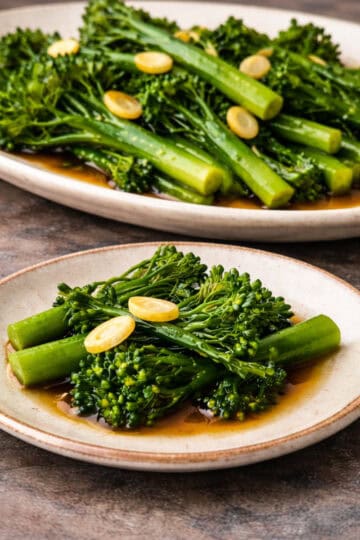
- a quickly stir-fried vegetable
- steamed rice
- soup
- one protein dish
- tea
Not every meal is banquet food.
And honestly, some of the best Chinese cooking is deceptively simple.
Why Heat Matters So Much
Chinese cooking is deeply tied to heat control.
A wok is not just a pan — it is a system of thermal management.
Too little heat:
- food steams
- vegetables soften
- sauces turn dull
Proper heat creates:
- caramelization
- smoky depth
- crisp tenderness
- what cooks call wok hei — the subtle charred aroma that gives great stir-fried food its unmistakable flavor
Timing becomes everything.
The difference between vibrant vegetables and limp vegetables can be less than thirty seconds.
A Simple Way to Judge Your Results
Good Chinese food should feel balanced, alive, and textured.
You should notice:
- contrast
- freshness
- aroma
- movement across the palate
If everything tastes uniformly salty, sugary, greasy, or soft, the dish lost balance somewhere during cooking.