
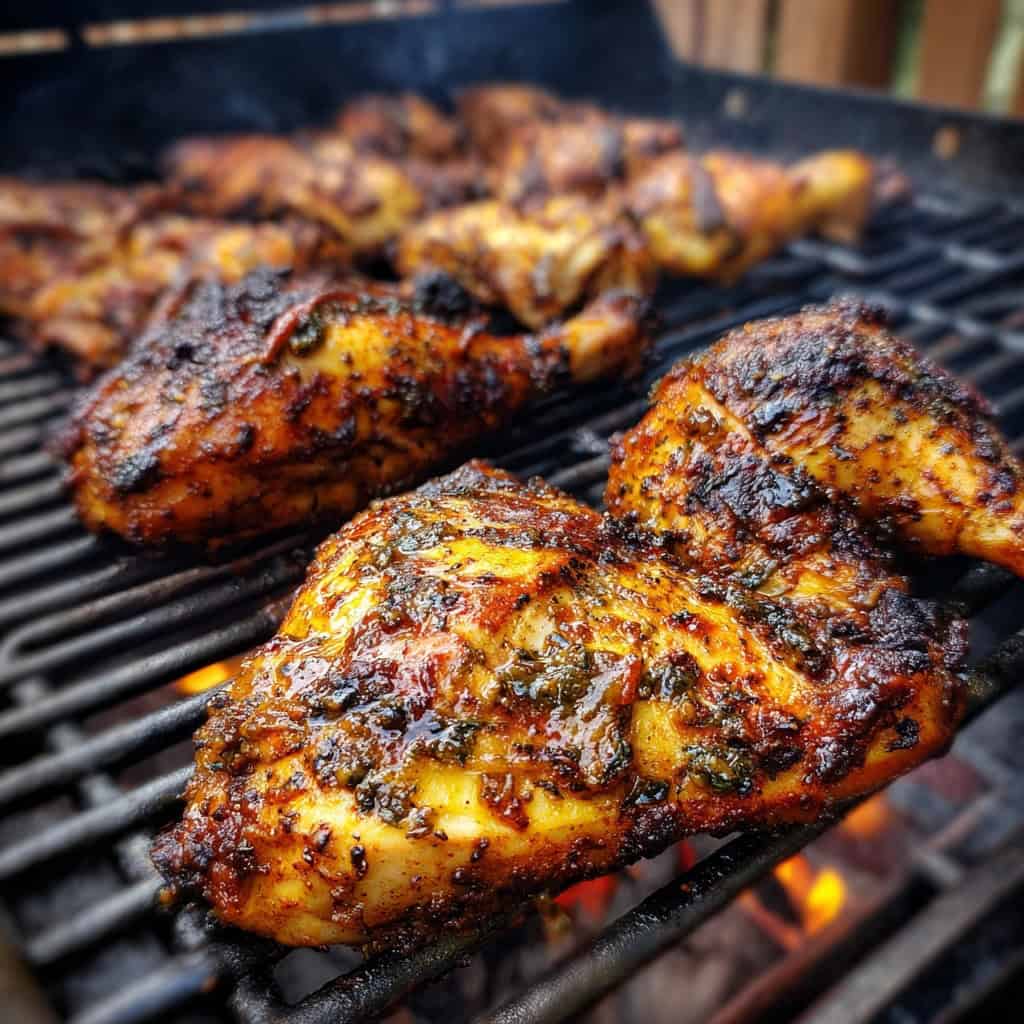
Barbecue has always been larger than a recipe. Smoke traveled before people did — through Indigenous cooking over live fire, Caribbean spice traditions, Southern pit cooking, church picnics, roadside stands, and family gatherings where somebody had been tending the grill for hours. Across cultures the details changed, but the idea stayed the same: fire, patience, and feeding people. Chicken found its place naturally because it took smoke beautifully and had a way of showing every decision the cook made along the way.
BBQ chicken rewards technique more than people think. The mistake is treating sauce as the beginning of the process instead of the finish. Build color first. Let the skin tighten and the fat render. Create heat zones so the chicken cooks evenly instead of burning over direct flame. Then begin layering sauce in thin coats near the end, allowing each layer to set and caramelize before adding the next. Sticky, glossy chicken comes from timing, not from drowning it in sauce.
There is something comforting about BBQ chicken that has very little to do with hunger. The smell reaches people before dinner ever does. Someone wanders over asking if it is almost ready. Someone steals a piece "just to taste." Sauce ends up on fingertips, paper napkins disappear quickly, and conversations somehow stay at the table a little longer. Some meals feel planned. Others simply feel like people wanting to stay awhile.
Technique Intelligence
Build color before adding sauce
Most barbecue sauces contain sugar from brown sugar, molasses, honey, or tomato products. Sugar caramelizes and burns long before the chicken finishes cooking. Allow the chicken cook with a dry rub to develop color and lightly render before introducing sauce. Thin layers applied during the final stage of cooking create a glossy finish instead of burnt patches.
Use two cooking zones
Classic BBQ chicken benefits from both direct and indirect heat. Direct heat develops browning and light char while indirect heat allows the meat to cook gently without flare-ups burning the exterior. This approach creates more control and more even cooking.
Rest before serving
Heat causes muscle fibers to tighten and push moisture toward the center of the meat. Allowing the chicken to rest briefly before cutting gives juices time to redistribute through the meat rather than ending up on the cutting board.
Layer flavor rather than masking it
Smoke, seasoning, caramelization, and sauce should arrive together. Good barbecue sauce supports the chicken rather than becoming the only thing you taste.
Ingredient Intelligence
Chicken Thighs & Drumsticks are the First Choice
Dark meat naturally contains more fat and connective tissue than chicken breast, making it more forgiving on the grill and less likely to dry out during longer cooking. Bone-in pieces also contribute flavor and moisture throughout the cooking process. I often reach for Bell & Evans or Perdue.
Dry Rub
Dry rub becomes the first layer of barbecue flavor long before sauce ever touches the chicken. Salt begins seasoning the meat while paprika, garlic, pepper, brown sugar, and spices gradually build color and create the foundation for caramelization on the grill. Some regions lean sweet, some spicy, some almost entirely salt and pepper, but the principle remains the same: build flavor before introducing sauce.
For convenience, prepared blends from Spiceology, Meat Church or Rufus Teague can work well, but understanding the balance behind the blend matters more than the rub itself.
BBQ Sauce
Homemade barbecue sauce gives you control over sweetness, acidity, smoke, and spice. Tomato, vinegar, molasses, brown sugar, mustard, and spices can be adjusted depending on the style you want to build. Store-bought sauces work perfectly well, but many rely on higher sugar content for flavor, which means they caramelize and burn faster over direct heat and require more careful heat management on the grill.
For quicker options, Stubb's, Kinder's, and Sweet Baby Ray's remain reliable starting points.
Chicken Variations
Bone-in thighs and drumsticks remain the most forgiving option for classic BBQ chicken and typically require 3–4 pounds (8–10 pieces).
Bone-in split chicken breasts: 4–6 breasts (approximately 4–5 pounds)
Boneless skinless breasts: 2½–3 pounds (6–8 breasts)
Whole spatchcock chicken: 1 whole chicken (4–5 pounds)
What to Serve with Classic BBQ Chicken
- American potato salad with dill
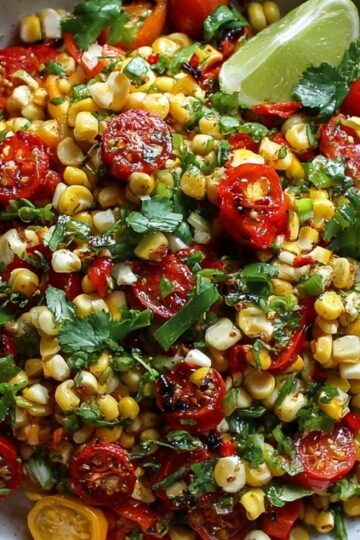
- Grilled corn
- Macaroni salad
- Baked beans
- Coleslaw
- Cornbread
Some meals feed people.
Others make people stay longer.
Classic BBQ Chicken

Equipment
- Gas grill, charcoal grill, or smoker
- Small mixing bowl
- Basting brush
- Tongs
- Sheet tray
Ingredients
Chicken
- 3 –4 pounds bone-in chicken thighs and drumsticks approximately 8–10 pieces
- Alternative Chicken Quantities
- 4 –6 bone-in split chicken breasts 4–5 pounds total
- 6 –8 boneless chicken breasts 2½–3 pounds total
- 1 whole spatchcock chicken 4–5 pounds
Lemon Pepper Rub
- 2 tablespoons kosher salt
- 1 tablespoon coarse black pepper
- 1 tablespoon lemon pepper seasoning
- 1 teaspoon garlic powder
- 1 teaspoon onion powder
- 2 tablespoons olive oil
- Substitute your preferred BBQ rub if desired.
BBQ Sauce
- 1½ cups homemade BBQ sauce preferred
- 2 tablespoons apple cider vinegar
- 1 tablespoon water
Instructions
- Preheat grill for two-zone cooking, creating one side with medium direct heat and one side with indirect heat at approximately 375–400°F.
- Pat dry 3–4 pounds chicken with paper towels.
- Combine 2 tablespoons kosher salt, 1 tablespoon coarse black pepper, 1 tablespoon lemon pepper seasoning, 1 teaspoon garlic powder, and 1 teaspoon onion powder in a small bowl.
- Toss chicken with 2 tablespoons olive oil, then coat evenly with the seasoning mixture.
- Place chicken over indirect heat, cover, and cook for 20–25 minutes, turning once halfway through.
- Move chicken to direct heat and continue cooking for 10–15 minutes until the skin develops color and light charring.
- Whisk together 1½ cups BBQ sauce, 2 tablespoons apple cider vinegar, and 1 tablespoon water.
- During the final 8–10 minutes of cooking, brush on a thin layer of sauce and close the grill lid for 2–3 minutes.
- Turn chicken, brush on another layer, and repeat 2–3 times, allowing each coat to caramelize.
- Continue cooking until internal temperature reaches:
- Thighs and drumsticks: 175–185°F
- Bone-in split breasts: 160–165°F
- Boneless breasts: 160–165°F
- Whole chicken: 165°F in breast, 175°F in thigh
- Remove from grill and rest for 10 minutes before serving.
Notes
Homemade sauces generally contain less sugar and provide better control over smoke, sweetness, and acidity.
Store-bought sauces often contain more sugar and may require more careful heat management.
Dark meat remains more forgiving than chicken breast for grilling.
Comments
No Comments