
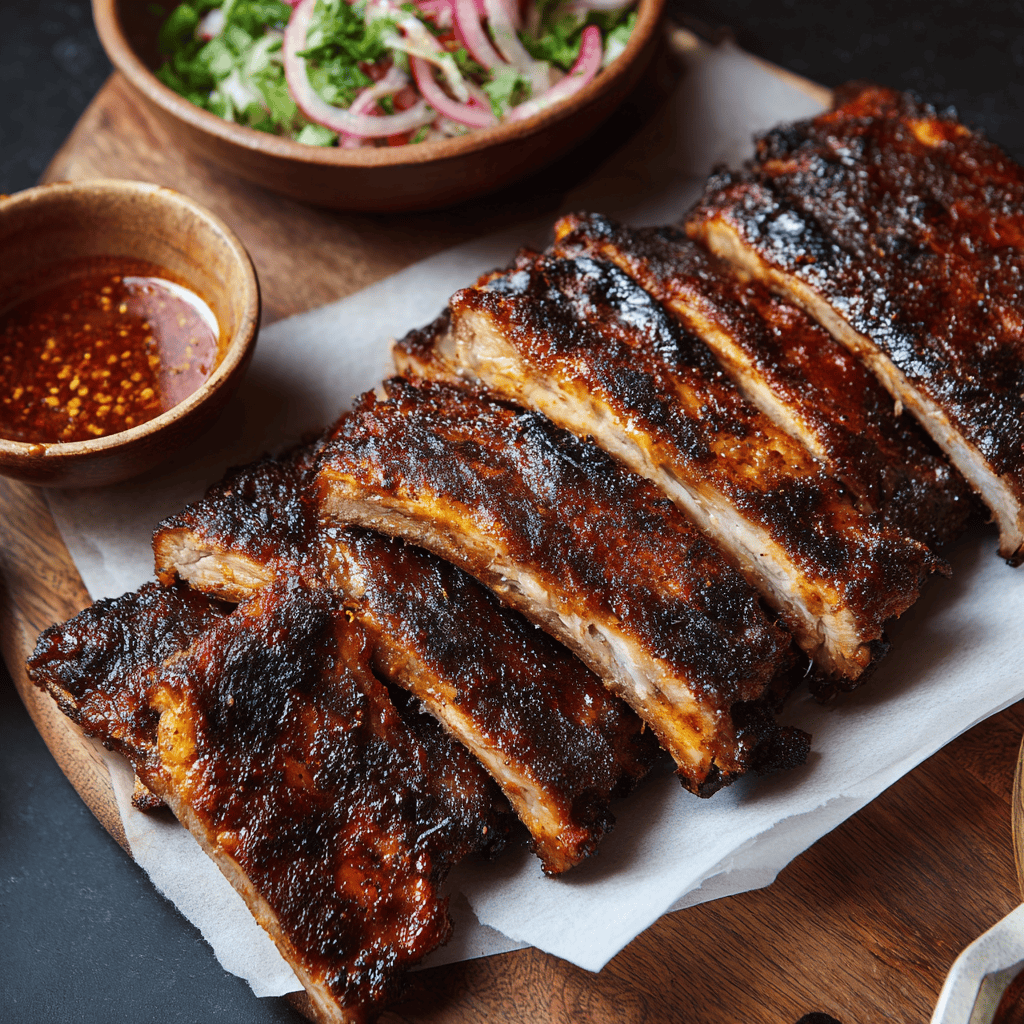
There’s a reason St. Louis ribs became the standard at serious barbecue joints.
They cook evenly, slice clean, carry smoke beautifully, and have the perfect balance of meat, fat, bark, and chew. Baby backs may get the marketing attention, but St. Louis ribs are what pitmasters quietly reach for when they actually want flavor.
What Are St. Louis Ribs?
St. Louis-style ribs are trimmed spare ribs. The sternum, cartilage tips, and uneven flap meat are removed to create a clean rectangular rack that cooks more consistently than full spare ribs.
Compared to baby back ribs theyn are meatier, flatter shape, more connective tissue, richer pork flavor, better bark development, and more forgiving during long cooks
learn more Master smoke, bark, and better barbecue with our Rib Guide
Why St. Louis Ribs Taste Better on the Smoker
St. Louis ribs contain more fat and collagen than baby backs. That matters because low-and-slow barbecue is really controlled collagen conversion.
As the ribs slowly cook:
- collagen melts into gelatin
- fat renders
- smoke bonds to the bark
- moisture redistributes
You want each bite to be a clean bite, gentle pull, slight resistance, moist interior and bark that holds texture. If the bones fall out when lifted, the ribs are technically overcooked.
The Core Flavor Structure
Great ribs are layered in stages:
Salt Dry brines the meat and improves moisture retention.
Sugar Balances smoke and heat while helping caramelization.
Paprika Builds color and sweet pepper depth.
Pepper Creates bark structure.
Smoke Adds aromatic bitterness and depth.
Fat Rendering Creates richness and mouthfeel.
Acid Usually added later through sauce or spritzing to brighten the richness.
The Best Woods for St. Louis Ribs
Hickory Classic barbecue profile. Strong but balanced.
Apple Sweeter and lighter. Excellent for beginners.
Cherry Beautiful mahogany bark color.
Oak Neutral and versatile.
Best Blend Cherry + hickory is hard to beat.
That combo gives you:
- color
- smoke depth
- sweetness
- classic BBQ aroma
Technique Intelligence: Why the 3-2-1 Method Works
The famous “3-2-1” method is really a moisture-management system.
Phase 1 — Smoke
Build bark and smoke flavor.
Phase 2 — Wrap
Trap steam and accelerate collagen breakdown.
Phase 3 — Set
Firm the bark back up and glaze if desired.
For St. Louis ribs specifically, many pitmasters now prefer:
- 3 hours smoke
- 1.5 hours wrapped
- 30–45 minutes unwrapped
Too much wrap time can turn ribs mushy.
Ingredient Intelligence
Yellow Mustard Binder You won’t taste it. It simply helps the rub adhere while adding mild acidity and moisture.
Brown Sugar Dark brown sugar gives deeper molasses notes and stronger caramelization than white sugar.
Smoked Paprika Adds smoke complexity even before wood smoke develops.
Apple Cider Vinegar Cuts through rendered fat and balances sweetness.
Equipment
Ideal Setup: Choose a Smoker
Offset Smoker
A separate firebox pushes heat and smoke across the cooking chamber, creating traditional low-and-slow barbecue.
Strengths: Deep smoke flavor • authentic barbecue results • large cooking capacity
Watch for: Requires active fire management • steeper learning curve • longer setup time
Pellet Smoker
Compressed wood pellets feed automatically into a burn chamber while electronic controls maintain temperature.
Strengths: Easy temperature control • beginner friendly • largely hands-off for long cooks
Watch for: Lighter smoke flavor than traditional wood or charcoal • dependent on electricity
Kamado Grill
A thick ceramic cooker that excels at heat retention and can function as both a smoker and high-heat grill.
Strengths: Excellent temperature stability • fuel efficient • highly versatile
Watch for: Smaller cooking space • longer temperature adjustments • heavier and expensive
Charcoal Kettle with Indirect Heat
A classic kettle grill arranged with coals pushed to one side to create separate cooking zones.
Strengths: Affordable • versatile • stronger smoke flavor than gas • widely available
Watch for: Requires airflow management • smaller cooking area • more temperature fluctuation than dedicated smokers
Helpful Extras
- Instant-read thermometer
- Spray bottle
- Pink butcher paper or foil
- Rib rack
- Charcoal chimney
Build your backyard setup with our favorite BBQ tools, smokers, and essentials
The Method
Step 1 — Remove the Membrane
Flip ribs bone-side up. Use a butter knife to loosen the silver membrane, then pull it off with paper towel for grip. Skipping this step creates chewy ribs.
Step 2 — Apply Binder
Light coat of yellow mustard. Not mayonnaise.
We’re making barbecue, not a confused deli sandwich.
Step 3 — Season Aggressively
Ribs can handle more seasoning than most people think. Apply evenly from above so the rub falls naturally across the surface instead of clumping.
Let ribs sit 30–45 minutes before smoking.
Step 4 — Smoke Low and Slow
Target Smoker Temperature 225–250°F \
Place ribs bone-side down.
Smoke for about 3 hours while spritzing every 45–60 minutes with:
- apple cider vinegar
- apple juice
- or diluted bourbon
Step 5 — Wrap
Wrap tightly with:
- butter
- brown sugar
- honey
- optional hot sauce
Return to smoker for 1.5–2 hours.
Step 6 — Set the Bark
Unwrap carefully.
Return ribs to smoker unwrapped for 30–45 minutes.
Optional: brush lightly with warm sauce during final 15 minutes.Not lacquered into submission. Just enough to glaze.
How to Tell When Ribs Are Done
Bend Test
Lift rack from center with tongs. Surface should crack slightly.
Bone Exposure About ¼–½ inch exposed bone ends.
Temperature Around 195–203°F internally.
Sauce Philosophy
A good rib sauce should balance:
- sweet
- acid
- smoke
- heat
Avoid:
- overly thick sauces
- excessive liquid smoke
- candy-sweet glazes
What to Serve With St. Louis Ribs
Classic Pairings
- vinegar slaw
- potato salad
- smoked beans
- cornbread
- pickles
- grilled corn
Elevated Backyard Version
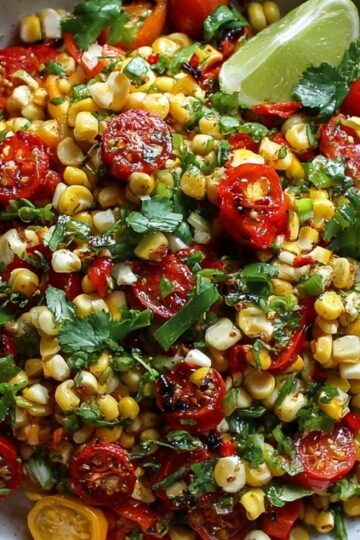
- charred street corn succotash
- crispy duck fat fries
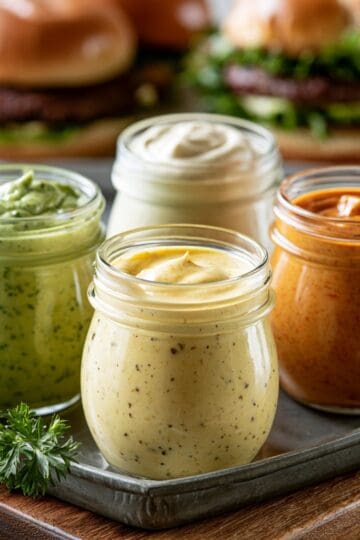
- poblano aioli
- bourbon peach slaw
- grilled watermelon salad
That’s where your Passport Kitchen voice lives:
classic American barbecue with chef-level structure.
Storage & Reheating
Refrigeration
3–4 days tightly wrapped.
Reheating
Best reheated wrapped at 275°F with a splash of apple juice.
Avoid microwaving unless sadness is the goal.
Final Thought
Great barbecue is patience disguised as confidence.
Nobody rushes great ribs.
You build fire,
manage smoke,
wait through the stall,
watch collagen slowly surrender,
and somewhere around sunset the entire yard starts smelling like you know what you’re doing.
That’s the magic of St. Louis ribs.
St. Louis Smoked Ribs

Equipment
- Offset smoker
- Spray bottle
- Heavy-duty aluminum foil or butcher paper
- Tongs
- Small mixing bowl
- Butter knife
- Paper towels
Ingredients
Ribs
- 2 racks St. Louis ribs 3–3½ pounds each
Binder
- 2 tablespoons yellow mustard
Dry Rub
- ¼ cup brown sugar
- ¼ cup paprika
- 2 tablespoons kosher salt
- 2 tablespoons coarse black pepper
- 1 tablespoon garlic powder
- 1 tablespoon onion powder
- 2 teaspoons smoked paprika
- 1 teaspoon chili powder
- 1 teaspoon mustard powder
- ½ teaspoon cayenne pepper
Spritz
- 1 cup apple juice
- ¼ cup apple cider vinegar
Wrap Stage
- 4 tablespoons unsalted butter
- 2 tablespoons honey
- 2 tablespoons brown sugar
Optional Glaze
- ½ cup warmed barbecue sauce
Instructions
Instructions
- Preheat smoker to 225–250°F using oak, hickory, cherry, or a hardwood and lump charcoal blend.
- Remove the membrane from the bone side of 2 racks St. Louis ribs (3–3½ pounds each) using a butter knife and paper towel.
- Pat ribs dry.
- Apply 2 tablespoons yellow mustard evenly over both sides of the ribs.
- In a small bowl combine ¼ cup brown sugar, ¼ cup paprika, 2 tablespoons kosher salt, 2 tablespoons coarse black pepper, 1 tablespoon garlic powder, 1 tablespoon onion powder, 2 teaspoons smoked paprika, 1 teaspoon chili powder, 1 teaspoon mustard powder, and ½ teaspoon cayenne pepper.
- Season both racks generously on all sides with the dry rub mixture.
- Let ribs rest for 30–45 minutes while smoker temperature stabilizes.
- Place ribs bone side down into smoker and cook for 3 hours.
- Combine 1 cup apple juice and ¼ cup apple cider vinegar in a spray bottle.
- Beginning after the first hour, lightly spritz ribs every 45–60 minutes.
- Remove ribs and place each rack onto foil or butcher paper.
- Divide 4 tablespoons unsalted butter, 2 tablespoons honey, and 2 tablespoons brown sugar evenly between both racks.
- Wrap tightly and return ribs to smoker for 1½–2 hours.
- Remove ribs from wrapping and place back into smoker uncovered for 30–45 minutes.
- Brush ribs lightly with ½ cup warmed barbecue sauce during the final 15 minutes, if using.
- Remove ribs when they reach approximately 195–203°F and bend easily with slight cracking on the surface.
- Rest ribs for 10–15 minutes, slice between bones, and serve.
Notes
Cherry and hickory together create excellent smoke color and balanced flavor.
Look for thin blue smoke rather than heavy white smoke.
If the bones pull completely free, the ribs have gone past ideal texture.
Variations Memphis Style Skip sauce and increase black pepper. Texas Style Reduce sugar and increase coarse pepper. Kansas City Style Finish with sweet tomato-based glaze. Spicy Version Add chipotle powder and additional cayenne.
Storage Refrigerate tightly wrapped up to 4 days. Reheat covered at 275°F with a splash of apple juice for 15–20 minutes.
Comments
No Comments