Thailand at a Glance
Flavor profile: Bright • Aromatic • Sweet • Salty • Sour • Spicy
Primary fats: Coconut milk, vegetable oil, peanut oil
Heat level: Mild to very hot
Signature ingredients: Fish sauce, chilies, garlic, lime, coconut milk, lemongrass, galangal, Thai basil
Texture focus: Crisp, tender, creamy, chewy contrast
Cooking style: Fast cooking, layered aromatics, fresh finishing ingredients
Balance and Constant Adjustment
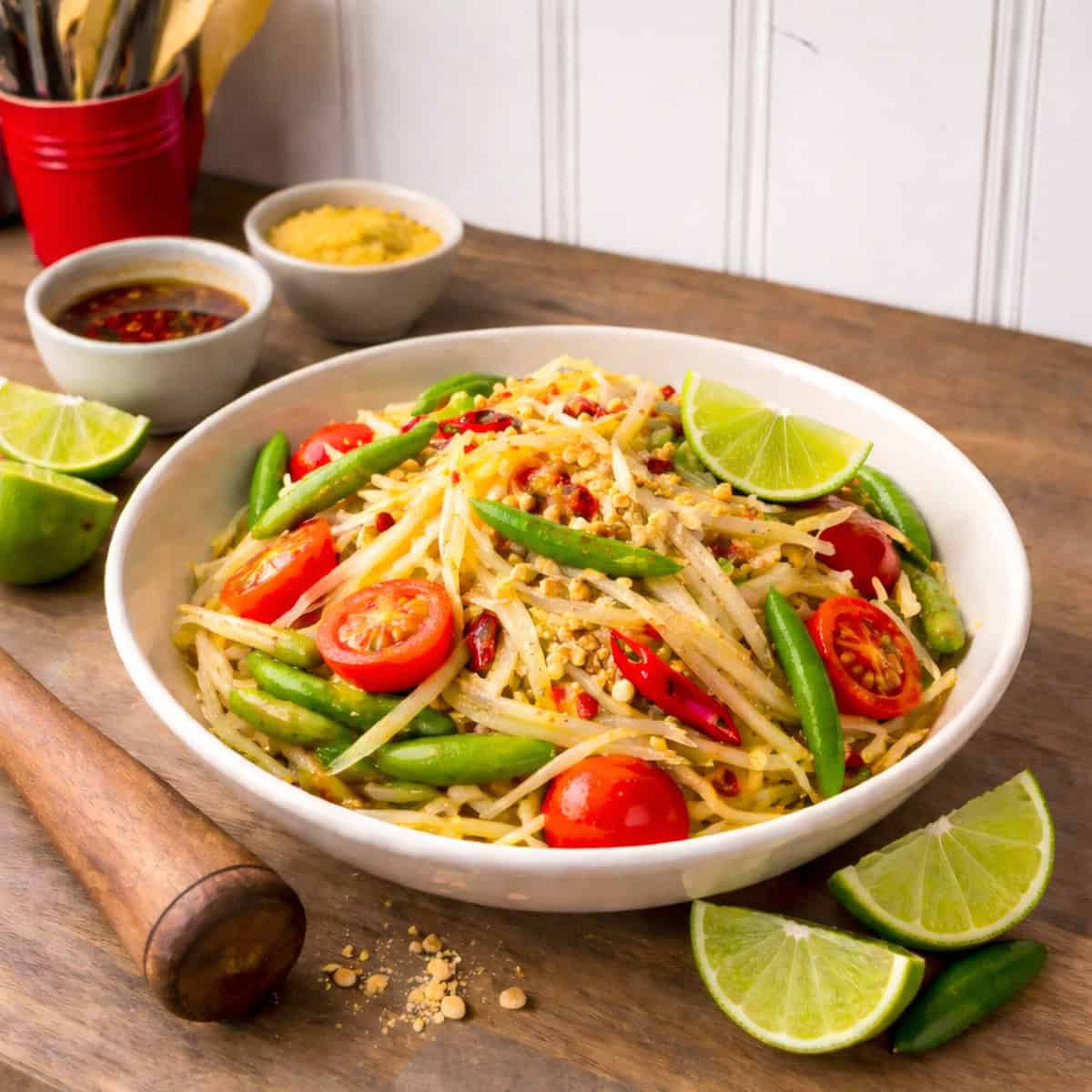
Thai food isn't built on heat alone, but on balance. Sweet, salty, sour, spicy, and savory flavors are designed to work together so that no single element completely dominates the plate.
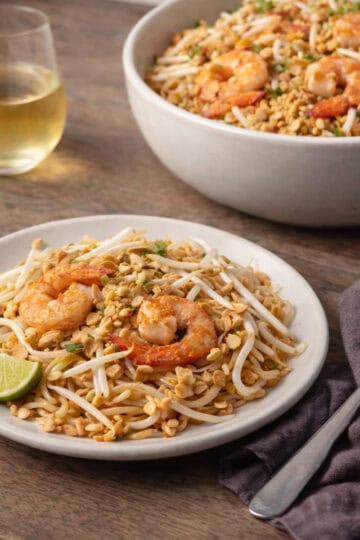
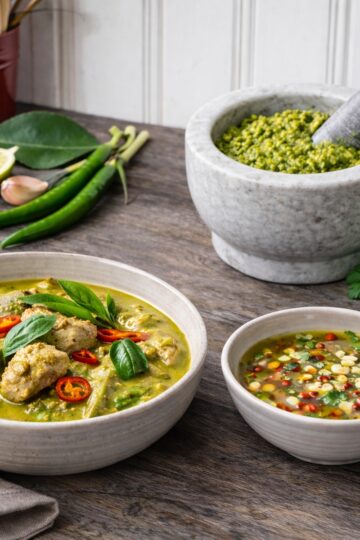
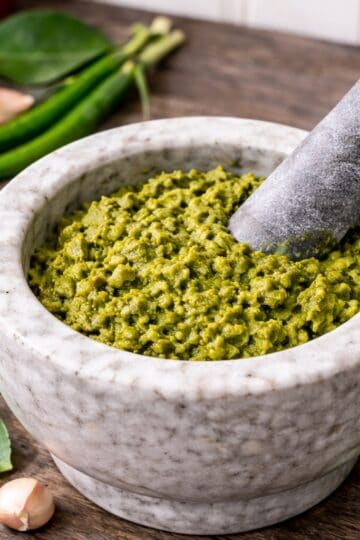
Steam rising from noodle carts, herbs being torn by hand, curry paste pounded in a mortar, sizzling woks over high heat, and fresh lime squeezed over grilled meats — Thai cooking moves quickly, but every ingredient has a purpose.
Flavors change by region, yet the guiding idea remains constant: build layers, balance contrasts, and let freshness finish the dish.
The Core Idea
Thai cooking is built on three principles:
Balance of flavor
Layered aromatics
Fresh finishing elements
Master those, and you can cook most Thai dishes without heavily relying on recipes.
Why Thai Food Tastes So Distinct
Unlike cuisines that often emphasize one dominant flavor profile, Thai cooking builds tension between contrasting flavors.
Heat is balanced by sweetness.
Richness is balanced by acidity.
Salty elements are softened with herbs and fresh ingredients.
Many dishes intentionally pull in opposite directions at once. The result feels complex without necessarily being complicated.
Adding more chilies rarely fixes a dish.
Balance does.
How Thai Meals Are Structured
Traditional Thai meals are often designed around multiple dishes shared together rather than individually plated entrées.
Rice → Curries → Stir-fries → Soups → Salads → Condiments
The meal works because each dish contributes something different: richness, freshness, spice, texture, or acidity.
North to South: A Gradual Shift
Thai cuisine changes significantly by geography and local ingredients.
Northern Thailand
Herbs, grilled meats, sticky rice, earthy flavors
Northeastern Thailand (Isan)
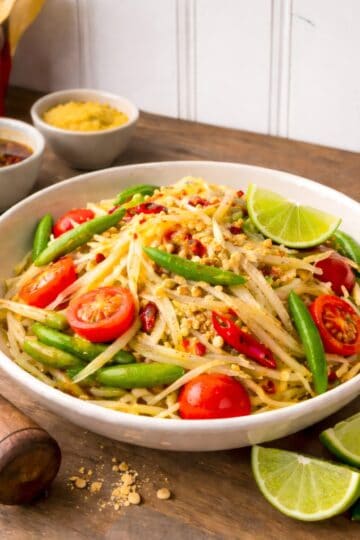
Bright acidity, grilled foods, spice, fermented ingredients
Central Thailand
Balanced flavors, curries, noodle dishes, street foods
Southern Thailand
Seafood, coconut milk, stronger spice levels
Think of Thai cuisine as several styles of cooking connected by common ingredients and balance rather than one single flavor profile.
Core Techniques You'll See Everywhere
Thai cooking depends heavily on sequencing and ingredient preparation.
• Pounding curry pastes and aromatics
• Stir-frying over high heat
• Building flavor through layered ingredients
• Balancing sweet, salty, sour, and heat
• Cooking proteins quickly
• Finishing with fresh herbs, citrus, and condiments
The Thai Pantry in One Sentence
A small collection of powerful ingredients used in endless combinations.
Fish sauce, coconut milk, chilies, garlic, lime, lemongrass, galangal, herbs, rice, and curry pastes form the foundation of many Thai dishes.
Restaurant Thai vs Everyday Thai
Restaurant versions often increase sweetness, richness, and portion size. Everyday cooking tends to focus more on quick preparation, fresh herbs, rice, vegetables, and practical weeknight meals.
Many home dishes are surprisingly fast and rely on ingredients already prepared or made ahead.
Why Balance Matters So Much
Thai recipes can seem complicated because flavor adjustments happen throughout the process:
Aromatics build the base
Sauces create depth
Acidity brightens richness
Fresh herbs provide contrast
Heat is adjusted near the end
The difference between good Thai food and great Thai food usually isn't more ingredients.
It's knowing when the dish tastes complete.