France at a Glance
Flavor profile: Rich • Savory • Herbaceous • Balanced • Refined
Primary fats: Butter, duck fat, olive oil (southern regions)
Heat level: Low
Signature ingredients: Butter, wine, cream, shallots, garlic, herbs, mushrooms, cheese
Texture focus: Crisp, silky, tender contrast
Cooking style: Technique-driven, slow flavor development, controlled cooking
Technique, Time, and Taste
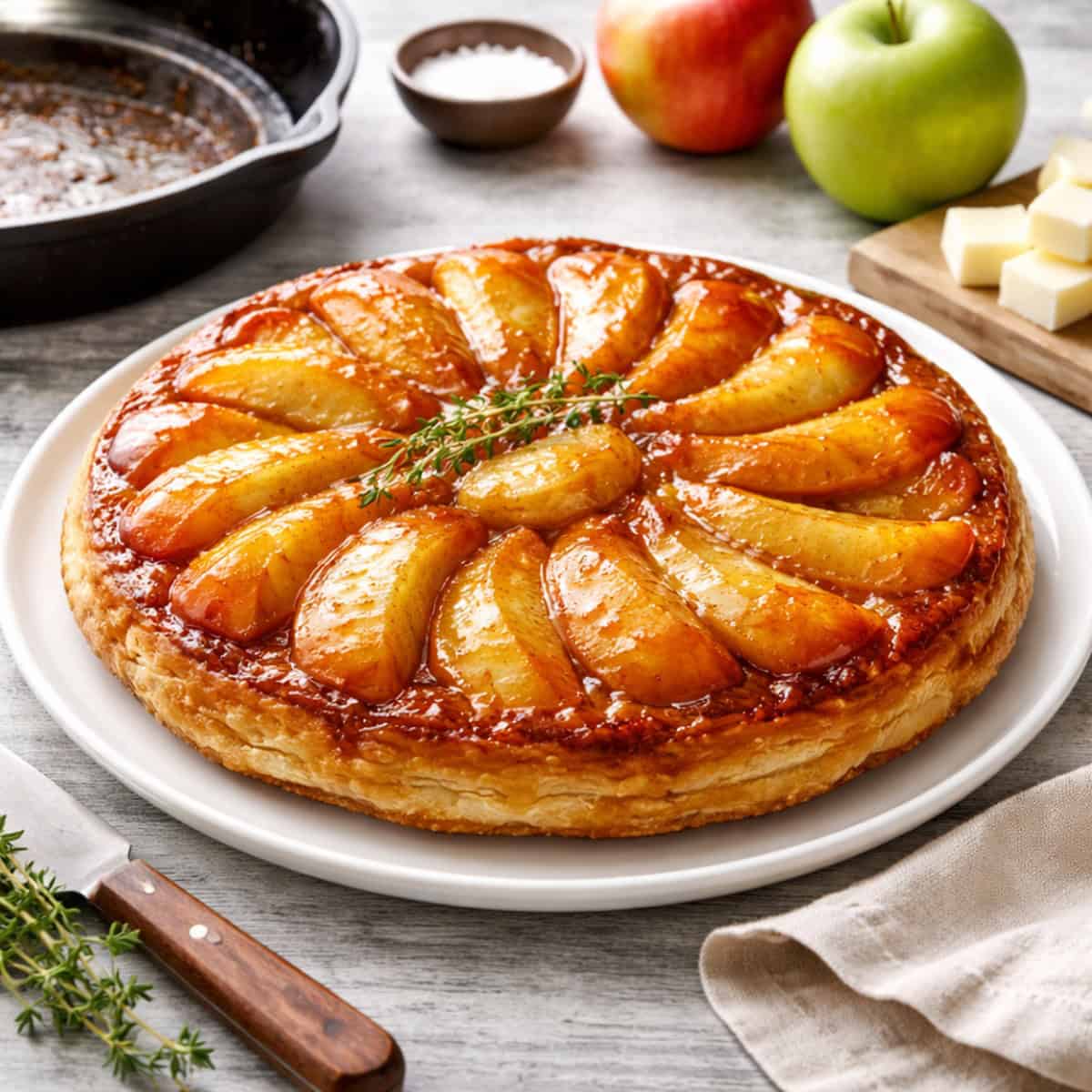
French food isn't built on extravagance, but on technique. Beneath the reputation of rich sauces and elegant dining is a cooking style centered on fundamentals, repetition, and understanding how ingredients behave.
Butter melting into shallots, bread baking in warm kitchens, stock slowly simmering for hours, and herbs perfuming a roasting chicken — French cooking often appears complex, but much of it is built from mastering a handful of techniques and applying them repeatedly.
Flavors change by region, yet the guiding idea remains constant: respect technique, develop flavor patiently, and let ingredients reach their full potential.
The Core Idea
French cooking is built on three principles:
Technique before complexity
Patience in flavor development
Respect for ingredients
Master those, and you can cook most French dishes without relying heavily on recipes.
Why French Food Tastes So Distinct
Unlike cuisines that often build around bold spices or aggressive seasoning, French cooking develops flavor through process.
Stocks build depth.
Butter creates texture.
Wine contributes acidity.
Slow cooking concentrates flavor.
Many dishes gain complexity through small steps layered together rather than one dominant ingredient.
More ingredients rarely improve a French dish.
Better technique usually does.
How French Meals Are Structured
Traditional French meals are designed around progression and pacing.
Apéritif → Entrée → Plat Principal → Fromage → Dessert
At home, these courses are often simplified, but the structure helps explain why French meals feel measured rather than overwhelming.
North to South: A Gradual Shift
French cuisine changes according to climate, geography, and agriculture.
Northern France
Butter, cream, apples, seafood, hearty cooking
Central France
Roasting, meats, mushrooms, wines, rustic dishes
Southern France
Olive oil, tomatoes, herbs, garlic, Mediterranean influence
Southwestern France
Duck, preserved meats, slow braises, rich flavors
Think of French cuisine as many regional tables rather than one style of cooking.
Core Techniques You'll See Everywhere
French cooking relies heavily on foundational methods.
• Sautéing aromatics gently
• Building stocks and reductions
• Braising tougher cuts slowly
• Roasting for flavor concentration
• Emulsifying sauces
• Finishing with butter or herbs
The French Pantry in One Sentence
A focused set of ingredients used with precision.
Butter, shallots, garlic, wine, herbs, stock, flour, cream, mustard, and cheese form the backbone of many French dishes.
Restaurant French vs Everyday French
Restaurant versions often emphasize presentation, richer sauces, and more elaborate preparation. Everyday cooking tends to focus on roasted meats, soups, simple braises, salads, and seasonal ingredients.
Classic home cooking is often much simpler than people expect.
Why Technique Matters So Much
French recipes can seem intimidating because many small details influence the final result:
Heat must stay controlled
Sauces need gradual development
Proteins benefit from proper resting
Textures should remain intentional
Timing affects flavor balance
The difference between good French food and great French food usually isn't complexity.
It's technique executed consistently.