Japan at a Glance
Flavor profile: Clean • Umami-rich • Balanced • Subtle • Seasonal
Primary fats: Neutral oils, sesame oil, minimal added fat
Heat level: Low to moderate
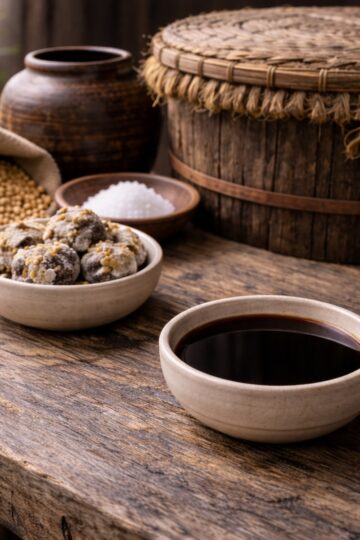
Signature ingredients: Rice, soy sauce, miso, dashi, seaweed, sake, mirin, fish, tofu
Texture focus: Tender, crisp, chewy, delicate contrast
Cooking style: Precision, seasonality, careful preparation
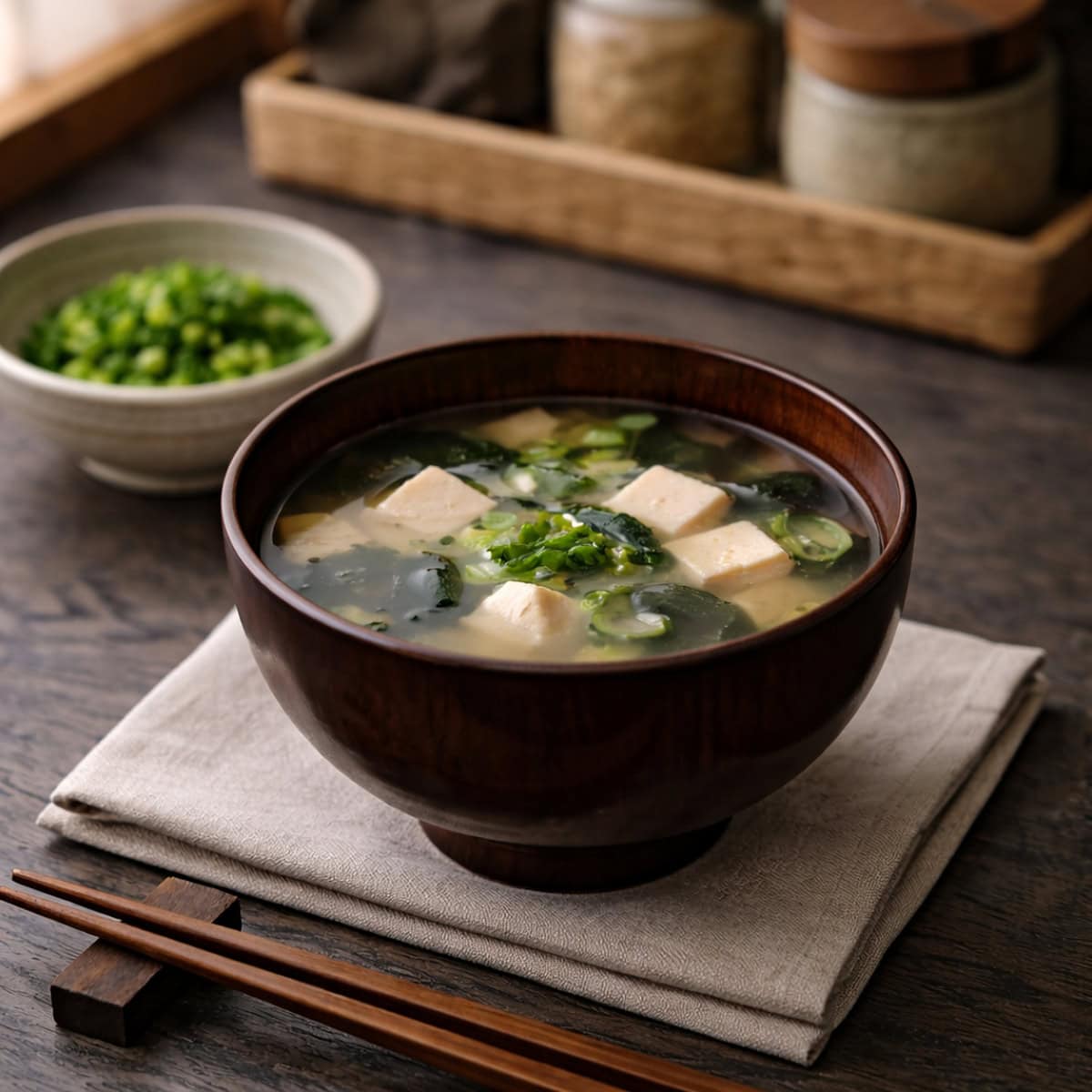
Japanese food isn't built on complexity, but on precision. Beneath the appearance of simplicity is a cooking style focused on balance, seasonality, and the belief that ingredients should taste more like themselves, not less.
Rice steaming in wooden tubs, dashi gently simmering, fish sliced with careful attention, and broths developing quiet depth — Japanese cooking often uses fewer ingredients than many cuisines, but every ingredient and every movement matters.
Flavors change by region, yet the guiding idea remains constant: respect the ingredient, refine technique, and create balance without excess.
The Core Idea
Japanese cooking is built on three principles:
Respect for ingredients
Balance through simplicity
Precision in technique
Master those, and you can cook most Japanese dishes without relying heavily on recipes.
Why Japanese Food Tastes So Distinct
Unlike cuisines that build flavor through aggressive seasoning or layered spice blends, Japanese cooking develops depth through umami and subtle contrast.
Dashi creates the foundation.
Fermented ingredients provide depth.
Seasoning supports rather than overwhelms.
Texture and temperature matter just as much as flavor.
More ingredients rarely improve Japanese food.
Clarity usually does.
How Japanese Meals Are Structured
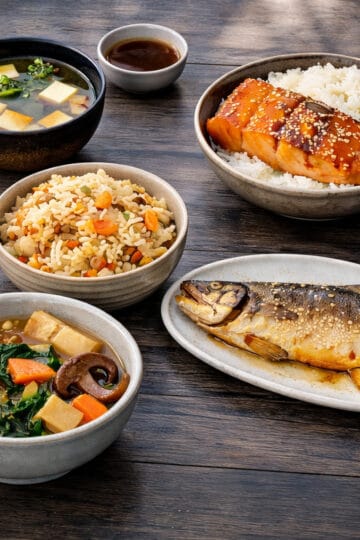
Traditional meals are designed around balance rather than a single centerpiece.
Rice → Soup → Main Dish → Side Dishes → Pickled Components
Rather than one dominant plate, multiple smaller dishes work together to create contrast in flavor, color, and texture.
North to South: A Gradual Shift
Japanese cuisine changes according to geography and local products.
Northern Japan
Seafood, preserved foods, hearty dishes
Central Japan
Noodles, soy-based flavors, balanced cooking
Western Japan
Lighter seasoning, refined broths, seafood
Southern Japan
Stronger flavors, tropical influences, pork dishes
Think of Japanese cuisine as regional variations connected by shared principles rather than a single style.
Core Techniques You'll See Everywhere
Japanese cooking depends on precision and restraint.
• Building dashi and broths
• Steaming and simmering gently
• Grilling with controlled heat
• Frying for light crispness
• Knife work and precise cutting
• Finishing with sauces, garnishes, and seasonal ingredients
The Japanese Pantry in One Sentence
A small group of ingredients used with extraordinary consistency.
Rice, soy sauce, miso, dashi, mirin, sake, seaweed, sesame, tofu, and fermented ingredients form the backbone of many Japanese dishes.
Restaurant Japanese vs Everyday Japanese
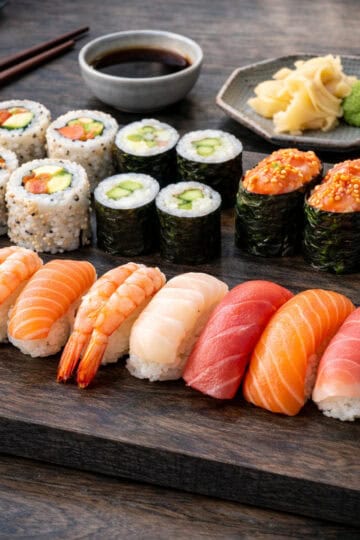
Restaurant versions often focus on sushi, specialty preparations, and presentation. Everyday cooking tends to center around rice, grilled proteins, soups, noodles, and practical home meals.
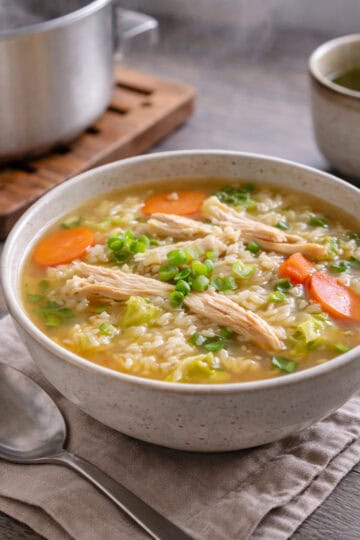
Much of Japanese home cooking is faster and more approachable than people expect.
Why Precision Matters So Much
Japanese recipes often look simple because the details carry more weight than the ingredient list:
Rice must be cooked correctly
Broths require balance
Ingredients are cut intentionally
Timing affects texture
Seasoning remains controlled
The difference between good Japanese food and great Japanese food usually isn't more ingredients.
It's precision and consistency.