
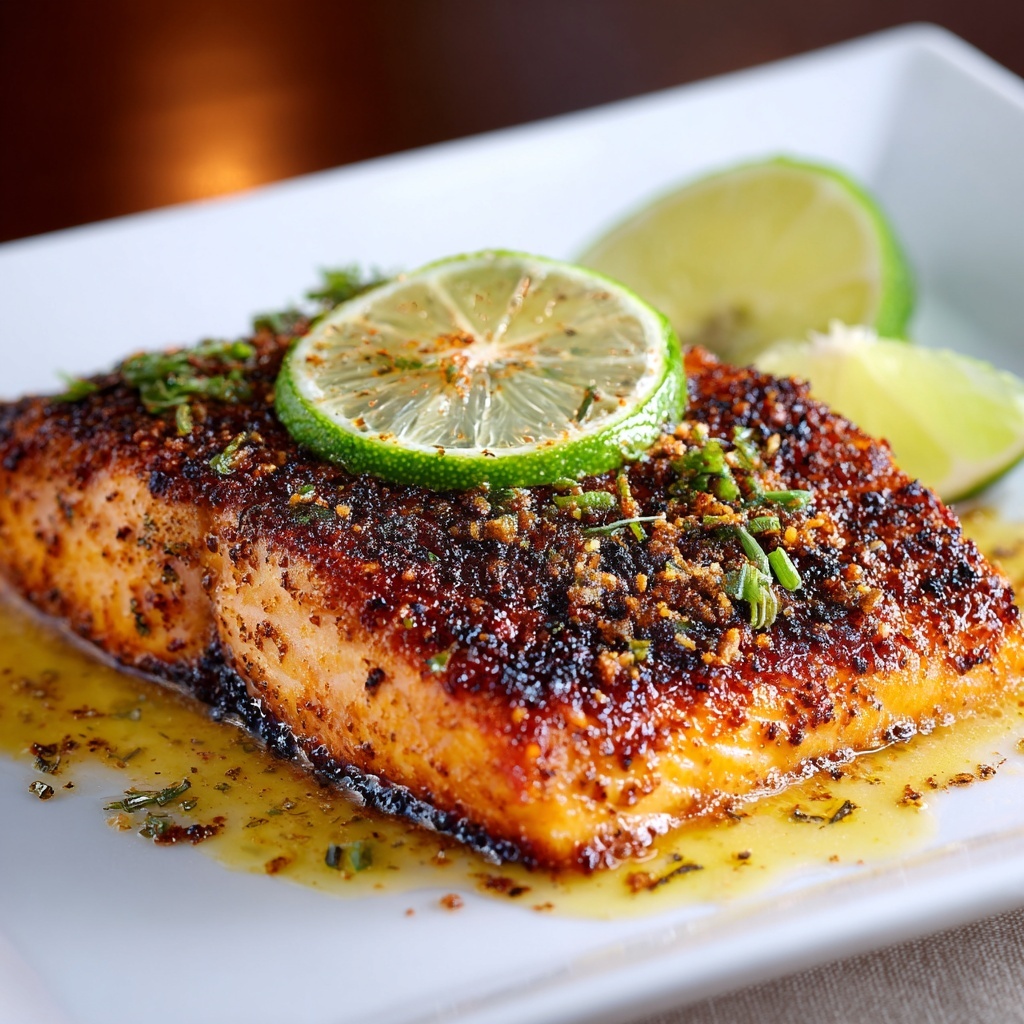
Salmon has a way of changing minds when it's cooked well.
Somewhere along the way, too many people met salmon through dry restaurant fillets buried under sticky glazes and cooked into submission. But at its best, salmon is something else entirely — rich without feeling heavy, buttery without needing help, and delicate enough that a few simple ingredients can completely change the experience.
West Coast cooking understands restraint. Fresh herbs, bright citrus, a little caramelization, and enough heat to kiss the outside while keeping the center soft and silky. No disguise. No unnecessary drama.
Pull it from the heat a few minutes earlier than you think. Let the residual heat finish the work. The fish breaks apart in soft layers instead of dry flakes.
Sometimes the difference between I eat salmon and I love salmon is only a few minutes and a little respect.
Technique Intelligence: How to Grill Salmon Properly
The biggest mistake with salmon is treating it like chicken. People wait for firm, fully opaque fish because they are afraid of undercooking it. By then, moisture has already started leaving the fish.
Build the Citrus Herb Rub
Combine:
- Zest of 1 orange
- Zest of 1 lime
- 1 tablespoon chopped tarragon
- 1 tablespoon chopped chives
- 1 tablespoon chopped parsley
- 2 tablespoons avocado oil
- 1 teaspoon kosher salt
- ½ teaspoon black pepper
Pat the salmon dry and rub the mixture evenly over the fish.
Allow it to rest for 10–15 minutes before cooking.
The citrus zest perfumes the fish without overwhelming it, while the herbs lightly season the surface and stand up well to heat.
Blackstone Method (Primary Method)
Preheat the Blackstone to medium heat (350–375°F surface temperature).
Pat the salmon dry before seasoning. Moisture prevents browning, and browning creates flavor.
Lightly oil the surface with avocado oil.
If cooking skin-on salmon:
- Place skin-side down first
If cooking skinless salmon:
- Place presentation-side down first
Cook:
First side: 5-7 minutes
Second side: 5-7 minutes
Flip only once. Avoid moving the fish repeatedly around the flat top. Salmon releases naturally once caramelization develops. Remove salmon when the thickest section reaches:
125–130°F
Rest 5 minutes before serving.
The goal is a lightly caramelized exterior and a center that separates into soft, silky layers.
Optional Charcoal Grill Method
Build a two-zone fire:
- Hot coals on one side
- Cooler indirect zone on the other
Start salmon over direct heat for:
5-7 minutes
Move to indirect heat, cover grill, and cook until internal temperature reaches:
125–130°F
Usually 6–10 minutes depending on thickness.
Optional cedar planks can be soaked 30 minutes and placed over indirect heat for softer smoke flavor.
Direct heat creates color.
Indirect heat creates control.
Together they make salmon much more forgiving.
Ingredient Intelligence
Good salmon starts before the grill ever gets hot.
Choosing Salmon at the Grocery Store
Fresh salmon should:
- Smell clean and mild, never strongly fishy
- Look moist and glossy
- Feel firm when lightly pressed
- Have tight muscle lines without splitting
For grilling or Blackstone cooking, choose thicker center-cut portions rather than thin tail sections.
Thicker cuts cook more evenly and give you more forgiveness.
Best Salmon Choices for Grilling
King (Chinook) Salmon Rich, buttery, high fat content
Atlantic Salmon Mild flavor and forgiving for everyday cooking
Coho Salmon Balanced flavor with moderate fat
Sockeye Salmon Deeper color with stronger flavor and leaner texture
Why Orange and Lime?
This recipe uses both because they each do different jobs.
Orange adds subtle sweetness and rounds out the richness of the fish
Lime adds sharper acidity that cuts through natural oils.
Together they brighten the fish without covering it.
Herb Pairings
- Tarragon
- Chives
- Parsley
- Basil
- Dill
West Coast cooking succeeds because ingredients support the fish rather than compete with it.
Equipment
Summer grilling favorites:
- Instant-read thermometer
- Fish spatula
- Long tongs
- Infrared thermometer
- Grill basket for vegetables
- Optional cedar grilling planks
What to Serve with West Coast Style Grilled Salmon
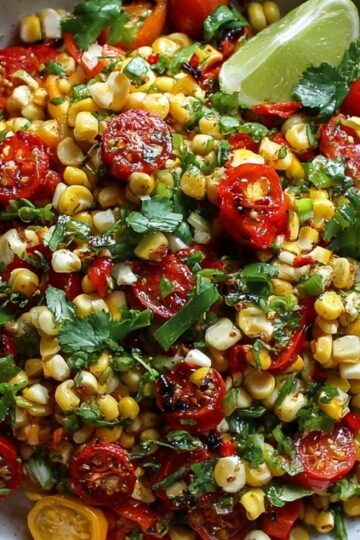
- Charred corn salad
- Crispy smashed potatoes
- Grilled asparagus
- Rustic grilled bread
- Watermelon cucumber salad
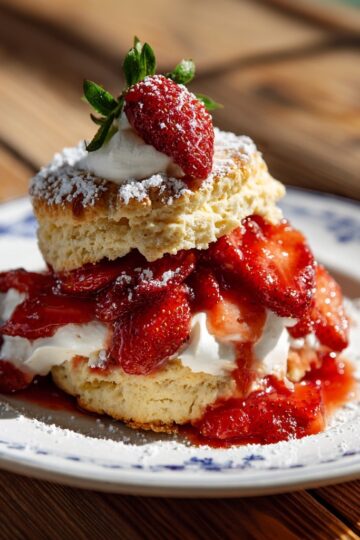
- Strawberry shortcake
The sides should not fight the salmon.
They should feel like they arrived at the same summer table.
West Coast Style Grilled Salmon

Equipment
- Blackstone griddle
- Fish spatula
- Mixing bowl
- Knife
- Long tongs
- Optional charcoal grill
Ingredients
Salmon
- 2 pounds center-cut salmon side
- 2 tablespoons avocado oil
- 1 teaspoon kosher salt
- ½ teaspoon black pepper
Citrus Herb Rub
- Zest from 1 orange
- Zest from 1 lime
- 1 tablespoon chopped fresh tarragon
- 1 tablespoon chopped fresh chives
- 1 tablespoon chopped fresh parsley
Finish
- 1 orange halved
- 1 lime halved
- 1 tablespoon chopped parsley
- Flaky sea salt to taste
Instructions
- Pat 2 pounds center-cut salmon dry with paper towels.
- Combine zest from 1 orange, zest from 1 lime, 1 tablespoon chopped tarragon, 1 tablespoon chopped chives, 1 tablespoon chopped parsley, 2 tablespoons avocado oil, 1 teaspoon kosher salt, and ½ teaspoon black pepper in a mixing bowl.
- Rub the citrus herb mixture evenly over the 2 pounds salmon, coating all sides.
- Allow the salmon to rest at room temperature for 10–15 minutes.
- Preheat the Blackstone griddle to 350–375°F and lightly oil the surface if needed.
- Place the salmon on the Blackstone skin-side down if skin-on, or presentation-side down if skinless, and cook for 3–5 minutes.
- Carefully flip the salmon once and cook for an additional 3–5 minutes, or until the thickest section reaches 125–130°F.
- Place 1 orange, halved, and 1 lime, halved cut-side down on the Blackstone and cook for 2–3 minutes until lightly caramelized.
- Remove the salmon and rest for 5 minutes.
- Squeeze the grilled orange and lime over the salmon and finish with 1 tablespoon chopped parsley and flaky sea salt to taste.
Notes
Thicker center-cut salmon portions cook more evenly than thin tail pieces.
Salmon continues cooking after leaving the heat, so remove it slightly early.
Optional charcoal method: Start over direct heat for 2–3 minutes and finish over indirect heat until internal temperature reaches 125–130°F.
Comments
No Comments